Prefrontal rTMS Shows Short-Term Cognitive Gains in Post-Stroke Trial
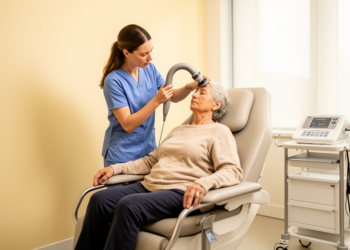
A randomized sham-controlled trial found that prefrontal rTMS was associated with short-term cognitive improvements in patients with post-stroke cognitive impairment.
A randomized sham-controlled trial found that prefrontal rTMS was associated with short-term cognitive improvements in patients with post-stroke cognitive impairment.

Researchers have designed a multicenter randomized controlled trial to examine whether coaching in goal-directed behavior improves cognitive rehabilitation outcomes for ...
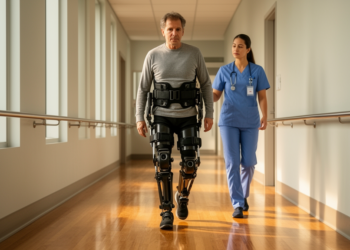
A randomized controlled pilot study demonstrated that eight weeks of powered exoskeleton training significantly reduced metabolic costs and cardiovascular strain ...
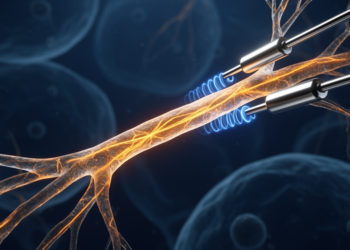
Penn State researchers used brain imaging to identify optimal nerve stimulation settings that prevent habituation, potentially improving the stability of ...
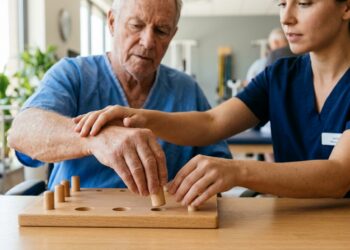
Egyptian neurologists have proposed a national framework expanding stroke management beyond acute reperfusion to incorporate structured multidisciplinary rehabilitation, standardized quality ...
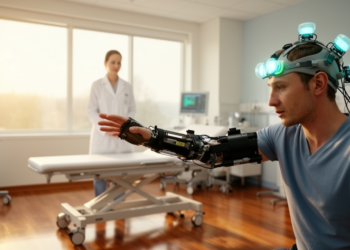
A systematic review evaluates how combining electroencephalography with functional near-infrared spectroscopy improves accuracy and adaptability in assistive rehabilitation devices for ...
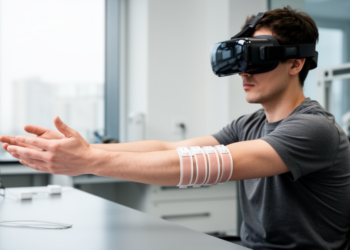
Researchers have validated an integrated virtual reality and electromyography platform that enables closed-loop, physiology-driven motor interaction for able-bodied users and ...
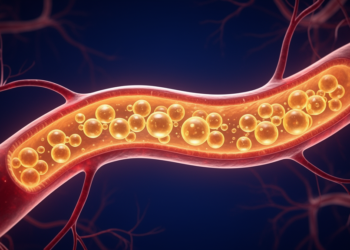
In a retrospective cohort of 210 ischemic stroke patients, higher atherogenic index of plasma levels were associated with reduced cognitive ...
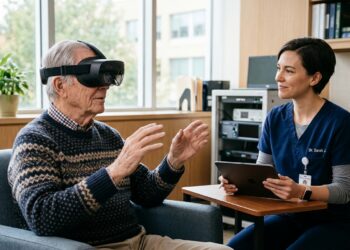
A pragmatic clinical trial reveals that progressively introduced extended reality maintains high adherence and stabilizes cognitive scores in older adults, ...
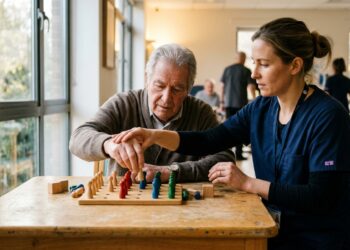
A scoping review of 41 studies found occupational therapy was present in nearly all functional neurological disorder rehabilitation research, yet ...
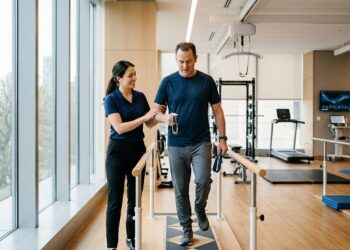
A retrospective review of 50 clinical records found no documented device-related adverse events from transcutaneous spinal neuromodulation combined with rehabilitation, ...
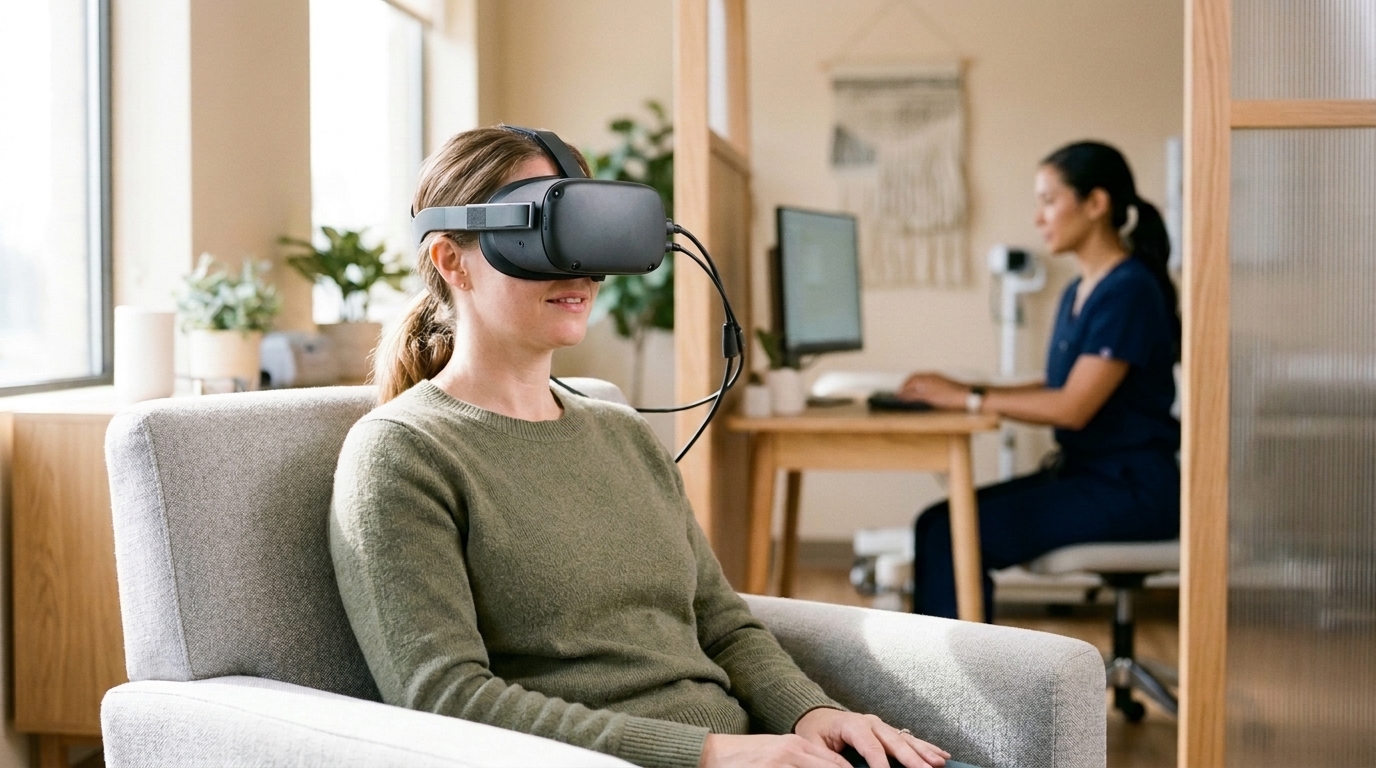
A six-week virtual reality eye-movement rehabilitation program was feasible and well tolerated in adults with persistent post-concussion symptoms, meeting all ...

A new narrative review synthesizes evidence that moderate-intensity aerobic exercise optimally activates the BDNF/PI3K/Akt neurorepair pathway after ischemic stroke, while ...
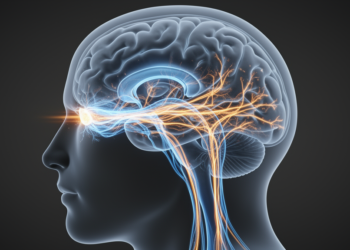
A systematic review finds that just three small, non-randomized studies with low-certainty evidence suggest plasticity-based training may improve selected residual ...
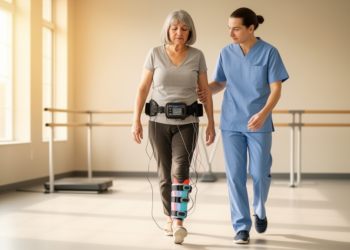
A retrospective case report describes an 18-week multichannel functional electrical stimulation rehabilitation program completed by a woman with secondary progressive ...
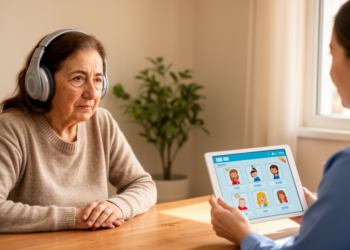
Turkish researchers have developed and preclinically evaluated a mobile application targeting single-word auditory comprehension in aphasia, with healthy adults aged ...
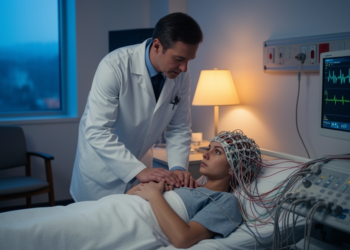
A study of 213 brain injury patients found that repeated CRS-R assessments and team consensus reclassified 11.5 percent of initially ...
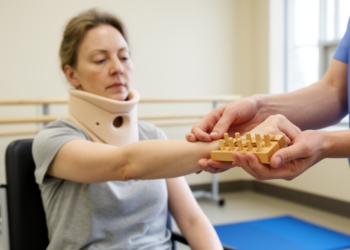
A retrospective case series of 14 patients found significant baseline-to-discharge changes in spasticity, strength and independence during rehabilitation that included ...
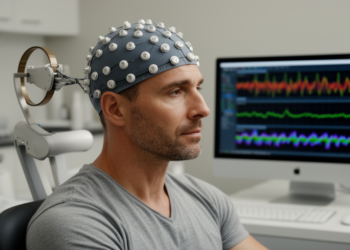
A single-case study reports that individualized, QEEG-guided low-intensity transcranial magnetic stimulation was associated with altered brain wave patterns and improved ...
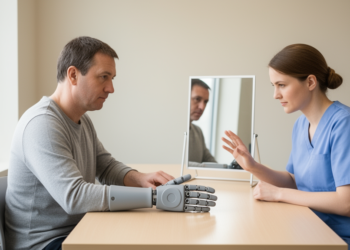
A scoping review charted 84 studies of mirror therapy, soft robotic gloves, and their combined use in upper-limb rehabilitation after ...