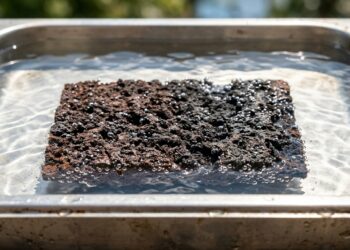
Copper Oxide Composite Breaks Down Antibiotic Pollutant Under Natural Sunlight
A newly synthesized copper oxide and graphitic carbon nitride heterojunction catalyst achieves 84.8 percent photocatalytic degradation of the antibiotic cefotaxime ...
A newly synthesized copper oxide and graphitic carbon nitride heterojunction catalyst achieves 84.8 percent photocatalytic degradation of the antibiotic cefotaxime ...
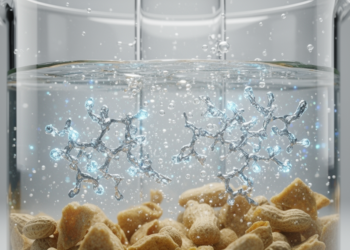
A customized system combining micro-nano bubbles with ozone degraded major aflatoxins in peanut byproduct while preserving matrix safety across repeated ...
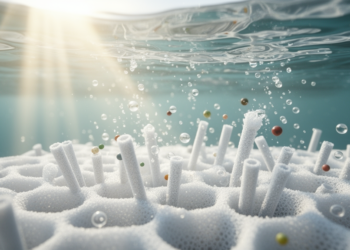
A buoyant polyurethane foam composite coated with titanium dioxide nanotubes removed over 97 percent of multiple emerging aquatic contaminants under ...
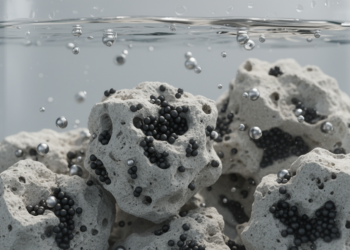
Researchers synthesized porous ceramic particles from iron tailings, fly ash, and blast furnace slag with iron oxide additives, demonstrating that ...
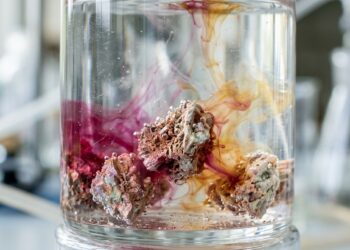
A bimetallic calcium-copper phosphate catalyst degraded 98 percent of the dye Basic Yellow 28 within 150 minutes by generating reactive ...
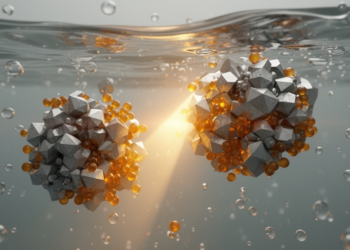
Researchers synthesized a zinc oxide and tin dioxide nanocomposite that degraded 98.07 percent of alizarine yellow R dye in water ...
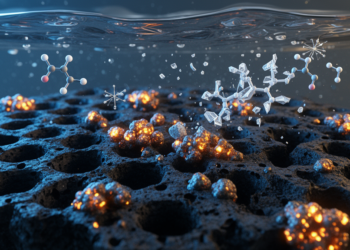
Researchers developed a manganese-modified bamboo biochar composite supporting nano zero-valent iron that achieved over 95 percent ciprofloxacin removal through peracetic ...
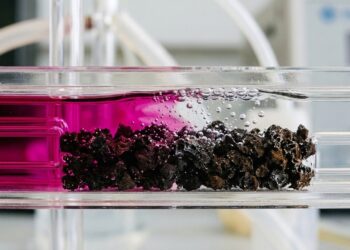
A mixed-valence manganese-chromium layered double hydroxide catalyst achieved 98.3 percent degradation of Rhodamine B under mild Fenton-like conditions.
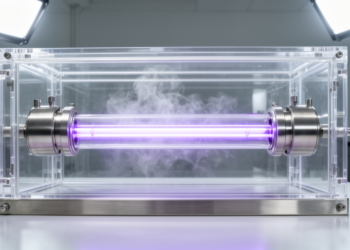
In a controlled laboratory chamber evaluation, an advanced photohydrolysis device reduced airborne Mycobacterium tuberculosis concentrations by approximately 95 percent after ...
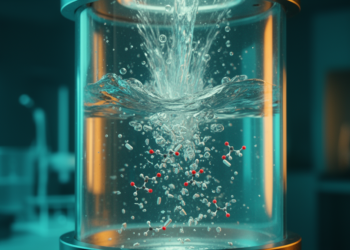
Combining acoustic cavitation with chemical oxidants enables the rapid degradation and complete detoxification of persistent doxycycline hyclate in wastewater.
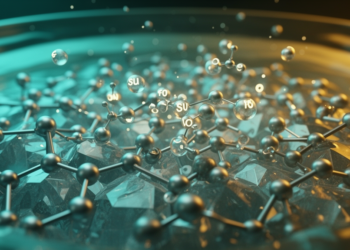
Density functional theory calculations show that surface mid-gap electronic states on silver tungstate lower energetic barriers to drive mild sulfide ...

Tobacco stem biochar kills Ralstonia solanacearum through temperature-dependent reactive oxygen species while enriching beneficial rhizosphere bacteria.
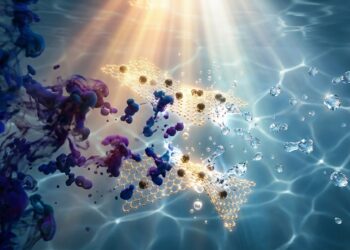
A magnetically recoverable carbon nitride–iron oxide photocatalyst removed 91.25 percent of rhodamine B under visible light at near-neutral pH, with ...
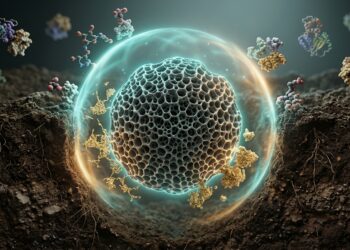
Biochar-derived hydroxyl radicals suppress carbon-decomposing enzymes and slow soil carbon loss in acidic soils, though the effect is overridden in ...

A docetaxel-loaded iron copper sulfide nanoplatform combines chemotherapy, chemodynamic therapy and photothermal therapy to amplify ferroptosis in leukemia cells, according ...
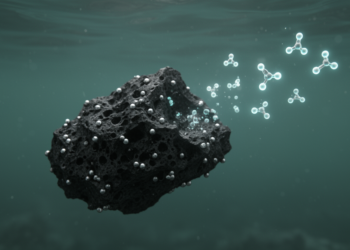
A bamboo biochar composite carrying iron nanoparticles removed 98 percent of the antibiotic ceftaroline from water in 60 minutes and ...

A CaTiO3-β zeolite and Fe2O3-modified porous ceramsite composite achieved 85.4% UV-Vis-monitored apparent photo-Fenton degradation of 40 mg/L phenol at pH ...
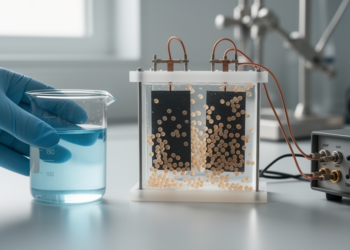
A laboratory study found that an Fe2O3/Co3O4-loaded sodium alginate particle electrode achieved 93.4% tetracycline removal in a three-dimensional electrocatalytic system ...
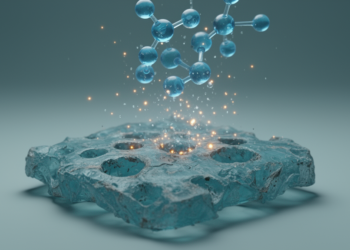
A Nature study shows that commodity microplastics spontaneously generate hydroxyl radicals in water through interfacial electrostatics and partial solvation, challenging ...
Researchers in India have developed an electrospun PVDF membrane loaded with carbon quantum dots and titanium dioxide that removes 74.4 ...