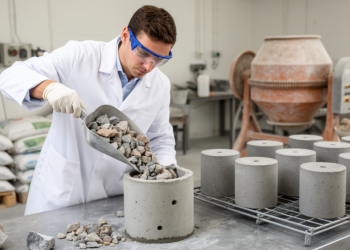
Waste Materials Can Replace Concrete’s Coarse Aggregate, Review Finds, With Limits
A systematic review of 154 studies compares fourteen waste materials as coarse aggregate substitutes in concrete, finding dense wastes preserve ...
A systematic review of 154 studies compares fourteen waste materials as coarse aggregate substitutes in concrete, finding dense wastes preserve ...
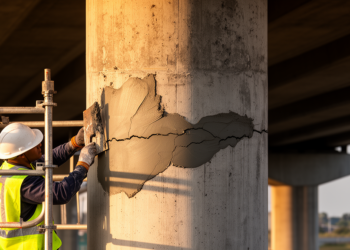
A new review documents two decades of field deployments showing how bendable, crack-controlling Engineered Cementitious Composites can extend the life ...
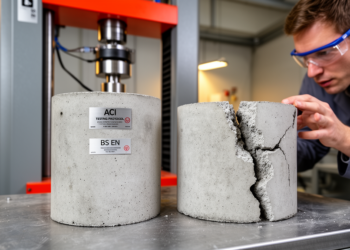
A controlled study in Ghana found ACI 211.1 concrete outperformed BS EN 206 mixes in strength and durability but cost ...
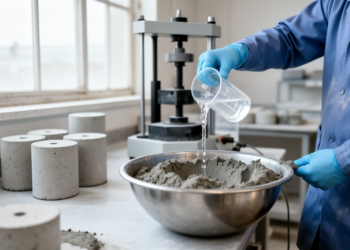
A laboratory study of magnesium slag and blast furnace slag one-part geopolymer concrete found that a water-to-binder ratio of 0.47 ...

Researchers embedded slow-release nutrient pellets into porous ecological concrete, balancing slope-protection strength, controlled phosphorus release and early plant growth in ...
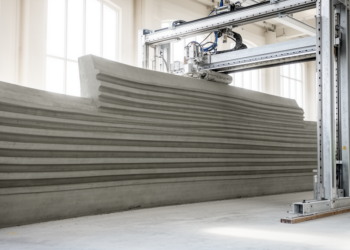
A new review finds CO2 mineralization can improve printability, strength, and interlayer bonding in 3D printed concrete, but barriers remain.

A platinum catalyst on nitrogen-doped carbon with isolated iron sites resists oxidation and nitrogen poisoning, sustaining electrochemical ammonia cracking for ...
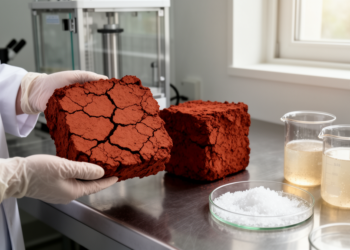
A laboratory study shows that soybean enzyme-induced carbonate precipitation more than doubled the cohesion of red clay and kept cracking ...
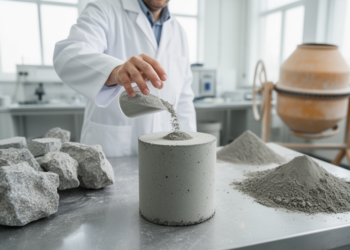
A laboratory experimental program has shown that high-strength concrete can replace up to 35 percent of its Portland cement with ...
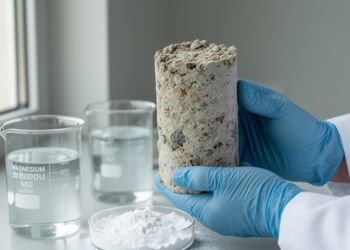
Laboratory tests show that magnesium acetate and magnesium chloride produce distinct phosphate cements in enzyme-treated lead-zinc tailings, with different strengths ...

GB10 reduced pathological blood-vessel leakage in monkey and rabbit eye models at lower doses and for longer durations than faricimab, ...

A Taiwanese post-marketing surveillance study finds that nearly half of patients who failed to reach the approved 3.0 mg liraglutide ...
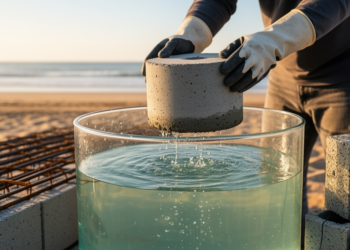
New research shows that seawater exposure during curing can dramatically improve the flexural performance of polyethylene fiber-reinforced mortar, but only ...

Researchers adapted asphalt rheology methods to show that ageing of polymer-modified roofing bitumen compounds is driven by competing polymer degradation ...
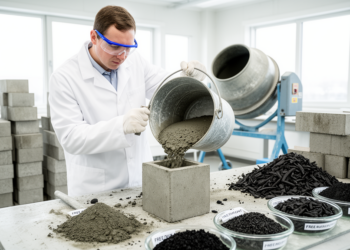
A systematic study of rubberized alkali-activated concrete shows that fine crumb rubber particles under one millimeter preserve strength while boosting ...
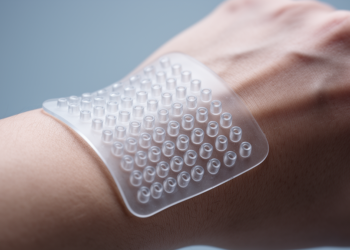
Researchers at Xi'an Jiaotong University have developed a bioinspired fluidic strain sensor whose drum-shaped microstructures harness the Poisson effect to ...
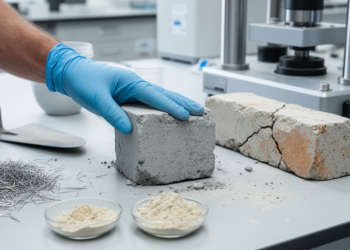
A new study shows that combining 10 percent lightweight expanded clay aggregate with 0.2 percent polypropylene fibers produces mortar that ...
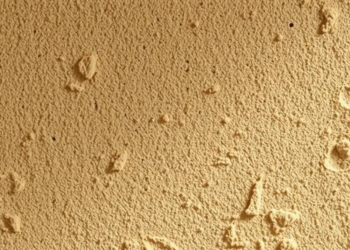
South African researchers show that adding three percent potassium sulphate to hempcrete nearly doubles its compressive strength and reduces shrinkage ...
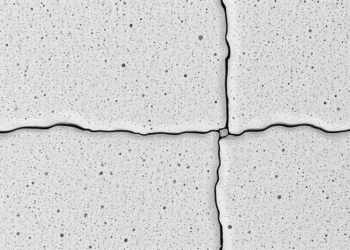
New research shows that naturally occurring halloysite nanotubes, dispersed with a common superplasticizer, dramatically improve cement mortar's resistance to sulfate ...

A new probabilistic and machine learning framework maps how climate change will accelerate carbonation-induced reinforcement corrosion across Brazil, revealing sharp ...