Controlled Precursor Transformation Yields High-Performance LiFePO4 Cathodes
Controlling the dehydration and phase transformation of FePO4·2H2O precursors enables the synthesis of high-performance LiFePO4 cathodes with strong rate capability ...
Controlling the dehydration and phase transformation of FePO4·2H2O precursors enables the synthesis of high-performance LiFePO4 cathodes with strong rate capability ...
A coral-like composite cathode combining nickel-cobalt sulfide and nickel-manganese layered double hydroxide delivers high specific capacitance and achieves 97.69 percent ...
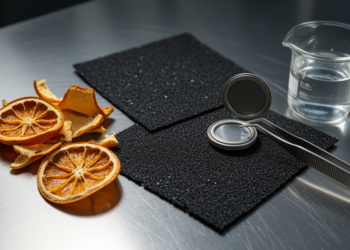
Researchers have synthesized hierarchical porous activated carbons from post-extraction orange peel residues using potassium acetate activation, producing supercapacitor electrodes that ...
Researchers synthesized nitrogen-doped hard carbon from waste macadamia nut shells, achieving high initial Coulombic efficiency and durable capacity retention in ...
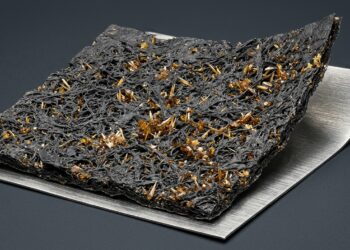
A three-dimensional binder-free vanadium pentoxide and reduced graphene oxide hybrid electrode demonstrated high capacitance and robust cycling stability in supercapacitor ...
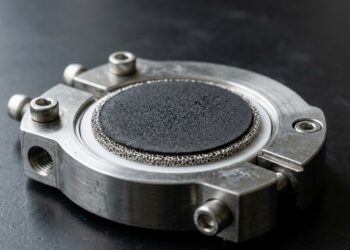
Researchers have demonstrated that holmium-induced lattice engineering significantly enhances the specific capacitance and long-term electrochemical stability of SmFeO3 perovskite supercapacitors.
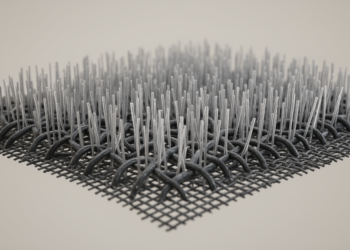
A two-step laser and electropolymerization method forms polyaniline nanofiber networks on carbon cloth, enhancing supercapacitor capacitance and cycling stability.
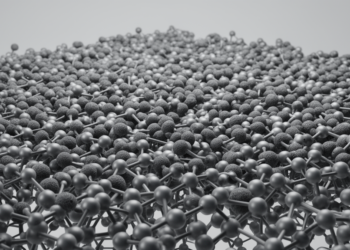
In laboratory testing, a structured SiOx@C composite anode retained 531.4 mAh g−1 after 300 cycles at 1.0 A g−1, outperforming ...
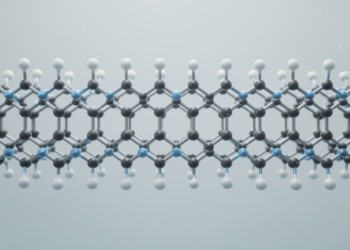
A solvothermally synthesized ethylenediamine-derived polyimide anode achieved a reversible capacity of 156.2 mAh g−1 and retained 80 percent capacity after ...
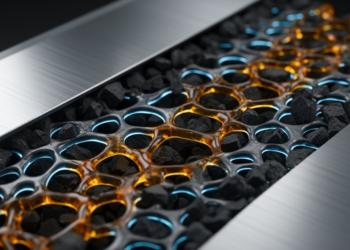
Researchers developed supercapacitor electrode materials from coal gasification fine slag residual carbon using a two-step activation process that maintained over ...
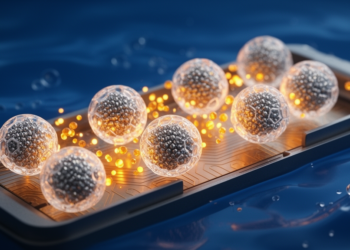
A core–shell antimony and hard carbon composite anode achieved a charge capacity of 482.4 mAh g−1 and retained 95.4 percent ...
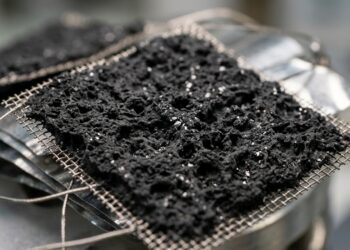
A ternary nanocomposite electrode combining nickel oxide, cerium oxide, and graphene oxide demonstrated high capacitance and 96.88 percent retention after ...
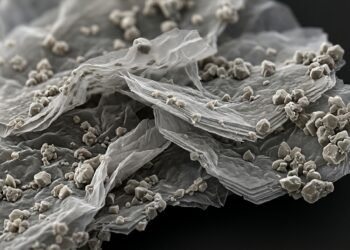
A ternary MoS2/cobalt ferrite/ceria nanocomposite with 40 mol% ceria reached 1141.41 F g−1 at 1.8 A g−1 and retained 97.1% ...
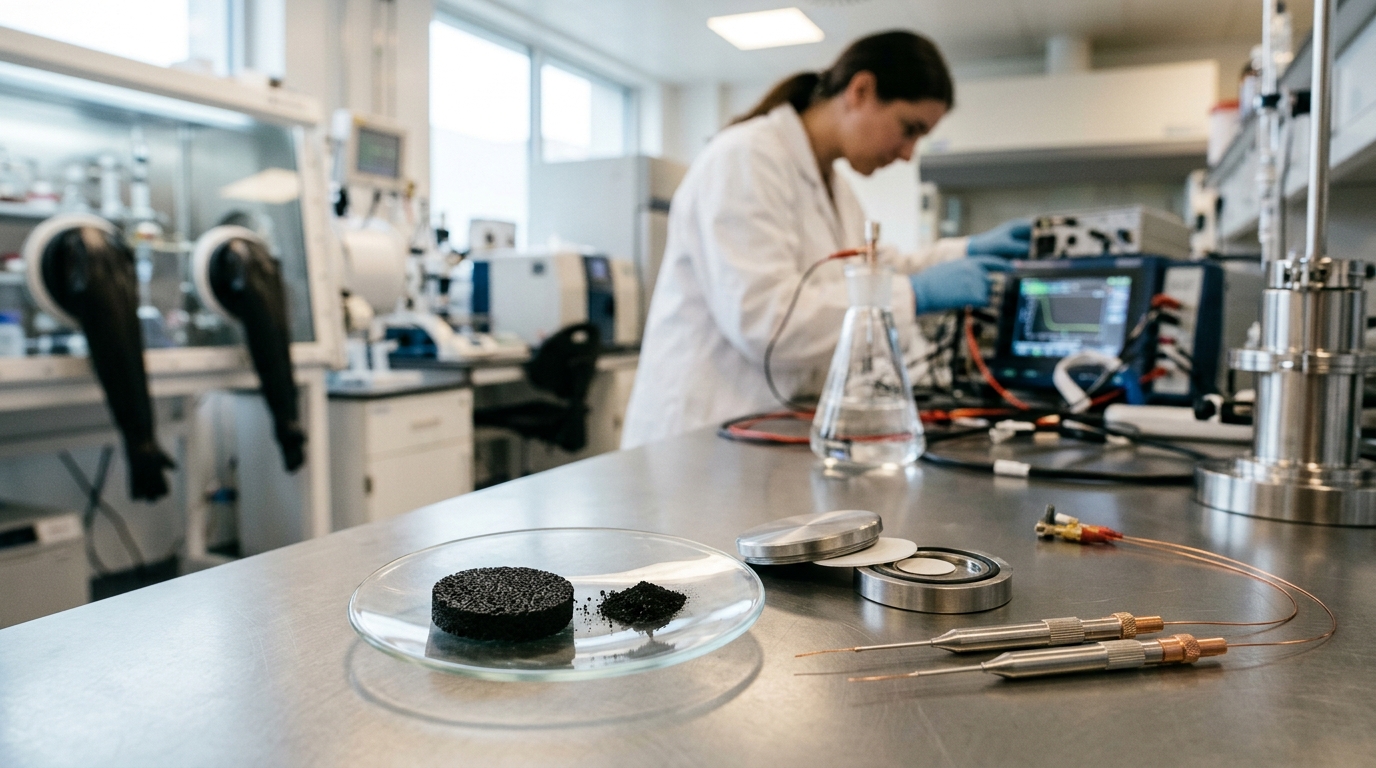
A new review in Ionics examines how metal-organic framework-derived carbons and their composites could serve as next-generation electrode materials for ...
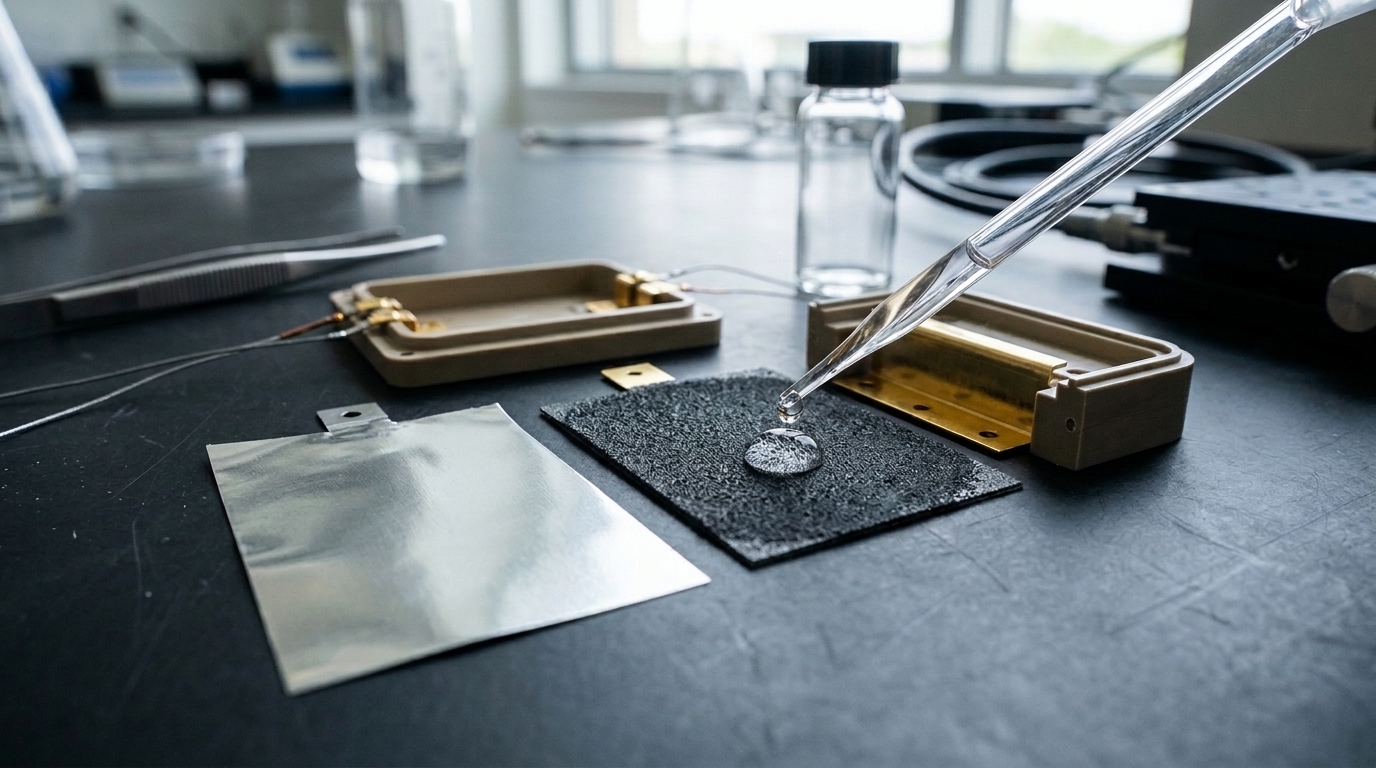
Researchers engineered a polymer-coated, co-doped vanadium dioxide cathode that significantly enhances capacity and cycling durability in aqueous zinc-ion batteries.
A polyaniline-coated MgCo2O4 hybrid electrode achieved a specific capacitance of 141.93 F g−1 and retained 88.71% of its capacitance over ...
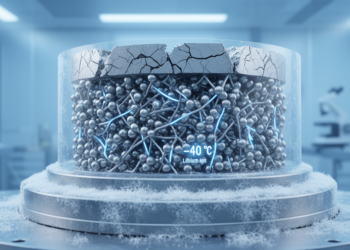
An electrode-level study found that a silicon oxide composite containing tin-antimony alloy and carbon retained about 1,000 mAh g−1 for ...
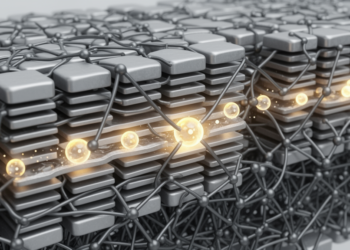
In a laboratory comparison of conductive additives for a P2-type sodium-ion battery cathode, carbon nanotubes reached electronic percolation at 1 ...
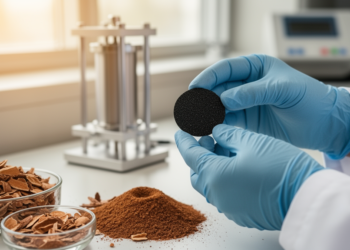
Activated carbon made from waste almond shells and modified with titanium dioxide nanoparticles reached 914 F g⁻¹ at 1 A ...
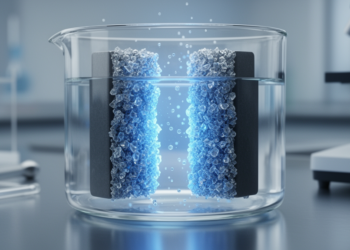
An aqueous asymmetric supercapacitor pairing lanthanum-doped NiWO4 with VN on reduced graphene oxide delivered about 95 Wh per kilogram on ...