
Psychobiotics and Fermented Foods May Target the Gut-Brain Axis in Alzheimer’s Disease
A new review finds that psychobiotics and fermented foods show neuroprotective effects in animal models of Alzheimer's disease, while clinical ...
A new review finds that psychobiotics and fermented foods show neuroprotective effects in animal models of Alzheimer's disease, while clinical ...
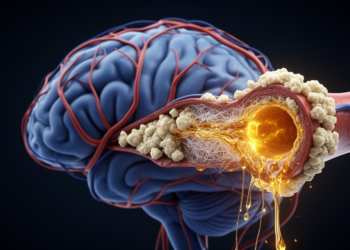
A new protocol study will track longitudinal changes in cerebrospinal fluid amyloid-beta peptides and blood-brain barrier dysfunction in cerebral amyloid ...
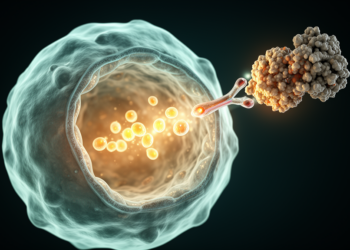
A head-to-head laboratory comparison found that SNIPR and synNotch receptors, but not TRUCKs, supported amyloid beta-dependent expression of therapeutic transgenes ...

Knocking down the receptor moody in Drosophila barrier glia increased permeability and, together with human amyloid-beta expression, worsened neurodegeneration without ...
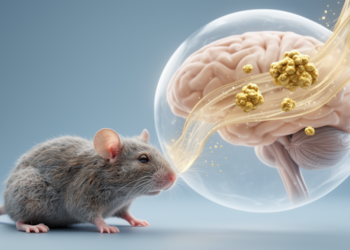
A mouse study reports that monthly plasma exchange with albumin, started at an advanced stage of amyloid pathology, reduced insoluble ...

Co-culturing human brain endothelial cells with pericytes activates AKT and ERK insulin signaling, raises TIMP1 and collagen-IV, inhibits MMP activity ...
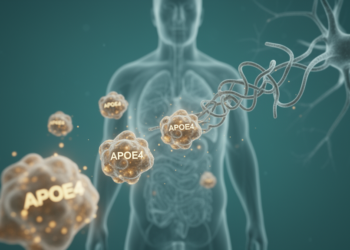
A study of 144 ADNI participants found that CSF APOE4 protein levels, not HDL particle concentrations, were associated with tau ...
A new in vitro study finds that epicatechin gallate from green tea and genistin from soybeans inhibit cholinesterases, reduce oxidative ...
A two-month high-salt diet impaired learning and memory in aged male mice and increased amyloid-beta accumulation, activating a PINK1/Parkin mitophagy ...
In a humanized amyloid beta knock-in mouse model of sporadic Alzheimer's disease, 8-month-old males show faster muscle fatigue while females ...
In cognitively unimpaired adults aged 55 to 75, plasma amyloid-beta levels were consistently associated with shorter and less dense frontal ...
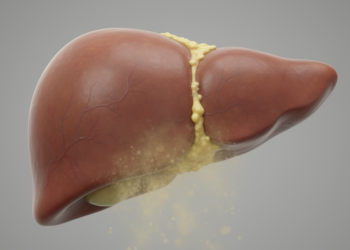
In aged rats, the experimental drug cinaciguat restored aging liver sieve cells, cutting blood amyloid beta in half and lowering ...
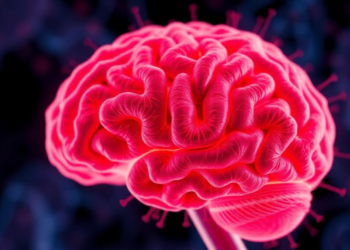
A new review argues that the ubiquitin-proteasome system degrades P-glycoprotein at the blood-brain barrier, impairing amyloid-beta clearance and offering new ...

A new qualitative study from West China Hospital reveals how family caregivers of Alzheimer's patients in China experience lecanemab treatment, ...
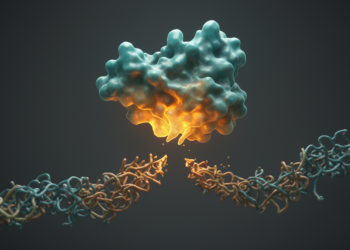
Researchers have used AI-driven protein design to create entirely new zinc-dependent proteases that cleave disease-linked proteins such as TDP-43 and ...
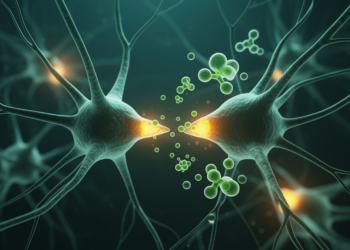
A new review reveals that synaptic failure—not plaque burden—is the strongest driver of Alzheimer's cognitive decline, and plant-derived phytochemicals may ...

A combined real-world cohort and FAERS analysis finds lecanemab generally safe in Alzheimer's patients but flags a strong, unlabeled signal ...
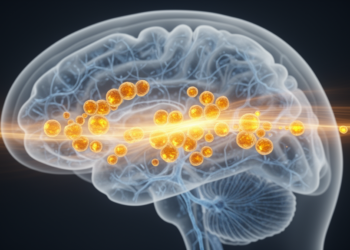
Researchers have for the first time captured and chemically dated Alzheimer disease pathology in living human brain tissue, revealing rapid ...

Indian researchers have synthesized arylidene indanone derivatives that restore motor function in Parkinson's model mice and memory in Alzheimer's model ...
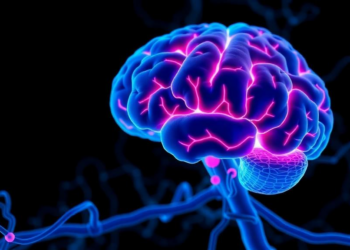
A new Perspective in PLOS Biology proposes that Alzheimer's disease may impair activity-dependent adaptive myelination by gray-matter oligodendrocytes, contributing to ...