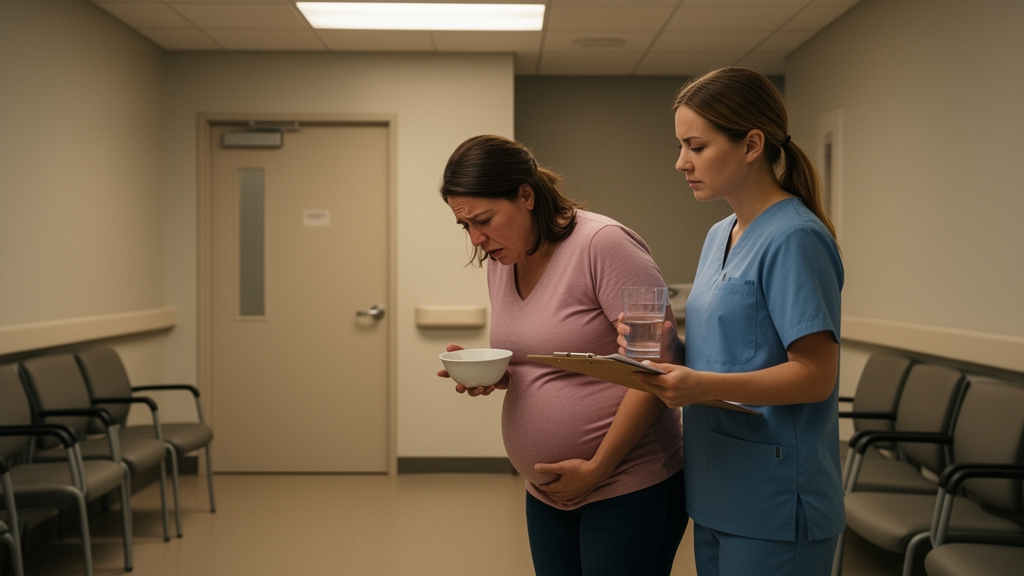
Women surveyed about their treatment for hyperemesis gravidarum, a severe form of nausea and vomiting during pregnancy, reported delayed or missed diagnoses, inadequate clinician knowledge of treatment guidelines, denied or discontinued medicines, and structural barriers restricting access to appropriate care. The qualitative study of 189 women, published in the Journal of Pharmacy Practice and Research, found that these experiences accompanied enduring emotional and psychological effects, including anxiety and post-traumatic stress syndrome. Associate Professor Luke Grzeskowiak, who led the research team at Flinders University, said the condition affects almost 4% of pregnancies.
The survey identified several issues affecting how hyperemesis gravidarum is recognised and treated. Participants described clinicians who lacked suitable training to diagnose the condition and who were either unaware of clinical management guidelines or did not follow them. Some women said they were not diagnosed with hyperemesis gravidarum when they should have been, while others reported receiving a diagnosis only late in the course of their illness. Other participants said health professionals denied prescribing or dispensing medications. The researchers also identified educational and financial status as possible influences on treatment outcomes, together with systemic barriers within Australia’s healthcare system.
Misinformation about medicine safety further disrupted care for some participants. Some women said they stopped taking medication after reading reported safety concerns that the researchers said were not aligned with current research and management guidelines. Participants also described poor management of medication side effects, including constipation and mood disorders. Current treatment focuses on supportive care and on medicines, including antiemetics, that address nausea and vomiting. Nevertheless, women reported that their symptoms were often not taken seriously and that clinicians in several professions commonly lacked appropriate education and training to recognise and manage hyperemesis gravidarum.
The study documented emotional and psychological effects during and after the illness. Participants cited impaired quality of life, anxiety and post-traumatic stress syndrome. The researchers said some women reported that hyperemesis gravidarum influenced their decision to terminate an otherwise wanted pregnancy, while others said the trauma of a previous episode left them afraid to consider another pregnancy. Collectively, the researchers proposed improving experiences and outcomes through better education for health practitioners, greater public awareness, clearer clinical practice guidelines, expanded outpatient care, investment in specialist hyperemesis gravidarum clinics and services, changes to the Pharmaceutical Benefits Scheme, and strategies to improve medicine availability and affordability. Because the research was a qualitative survey based on reported experiences and perceptions, it does not quantify how frequently these barriers occur among all pregnancies affected by the condition.
Subject of Research: Women’s experiences of pharmacological care for hyperemesis gravidarum
Article Title: Greater access to help needed for women with nausea during pregnancy
Article References: Greater access to help needed for women with nausea during pregnancy. Original publication (Bibliographic details unavailable.)
Image Credits: AI Generated
DOI: Not provided
Keywords: hyperemesis gravidarum, pregnancy, nausea and vomiting, antiemetic medicines, qualitative survey, clinical guidelines, healthcare access, medication safety, mental health, Greater, access, help
News Source: Drew Townsend. (October 21, 2026). Survey identifies barriers to care for hyperemesis gravidarum. Scienmag.