• HOME
  • NEWS
  • EXPLORE
    • CAREER
      • Companies
      • Jobs
    • EVENTS
    • iGEM
      • News
      • Team
    • PHOTOS
    • VIDEO
    • WIKI
  • BLOG
  • COMMUNITY
    • FACEBOOK
    • INSTAGRAM
    • TWITTER
Saturday, May 16, 2026
BIOENGINEER.ORG
No Result
View All Result
  • Login
  • HOME
  • NEWS
  • EXPLORE
    • CAREER
      • Companies
      • Jobs
        • Lecturer
        • PhD Studentship
        • Postdoc
        • Research Assistant
    • EVENTS
    • iGEM
      • News
      • Team
    • PHOTOS
    • VIDEO
    • WIKI
  • BLOG
  • COMMUNITY
    • FACEBOOK
    • INSTAGRAM
    • TWITTER
  • HOME
  • NEWS
  • EXPLORE
    • CAREER
      • Companies
      • Jobs
        • Lecturer
        • PhD Studentship
        • Postdoc
        • Research Assistant
    • EVENTS
    • iGEM
      • News
      • Team
    • PHOTOS
    • VIDEO
    • WIKI
  • BLOG
  • COMMUNITY
    • FACEBOOK
    • INSTAGRAM
    • TWITTER
No Result
View All Result
Bioengineer.org
No Result
View All Result
Home NEWS Science News Cancer

Stroke of genius: Drug could target leading cause in young

Bioengineer by Bioengineer
November 7, 2018
in Cancer
Reading Time: 2 mins read
0
Share on FacebookShare on TwitterShare on LinkedinShare on RedditShare on Telegram
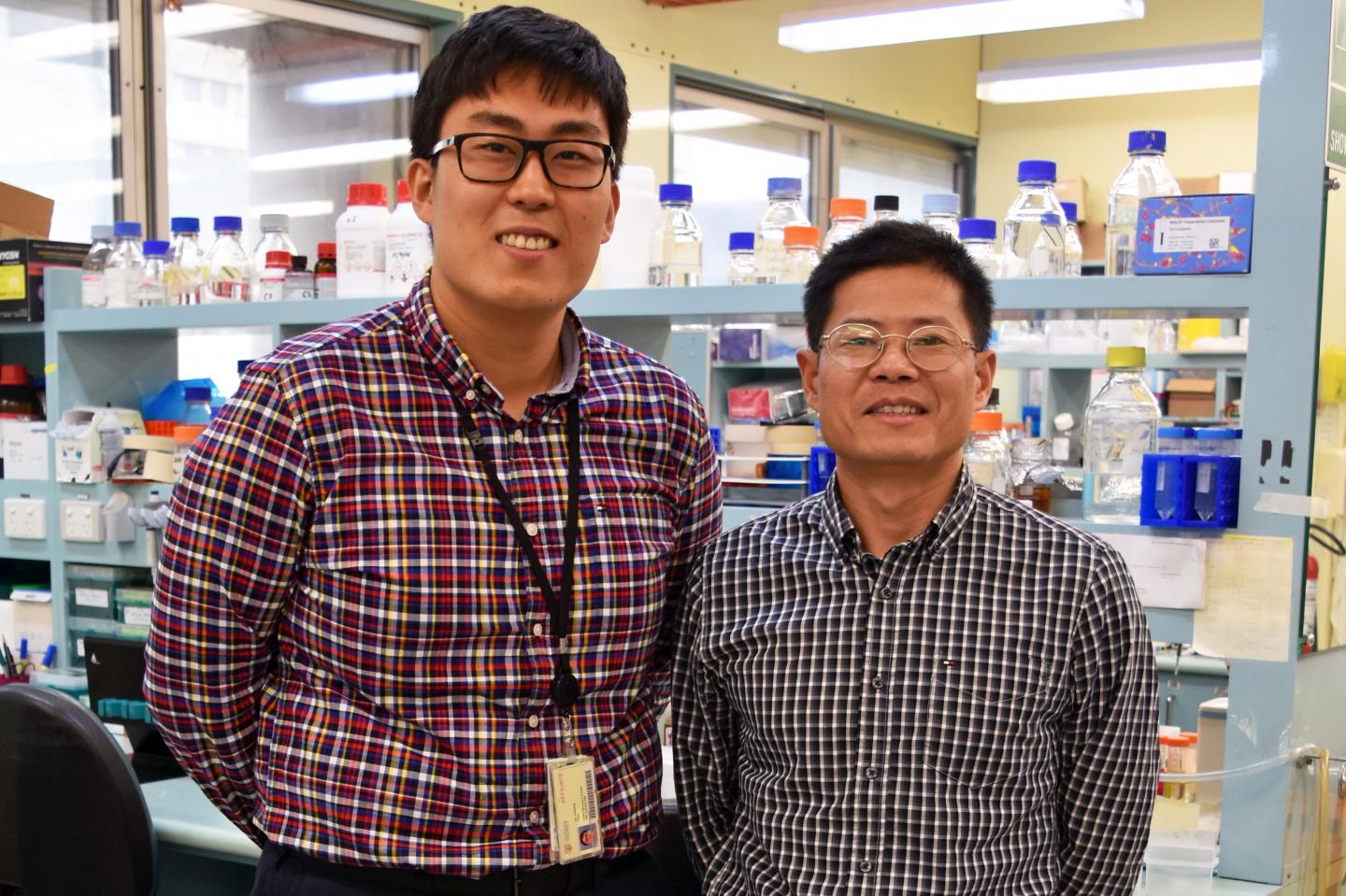
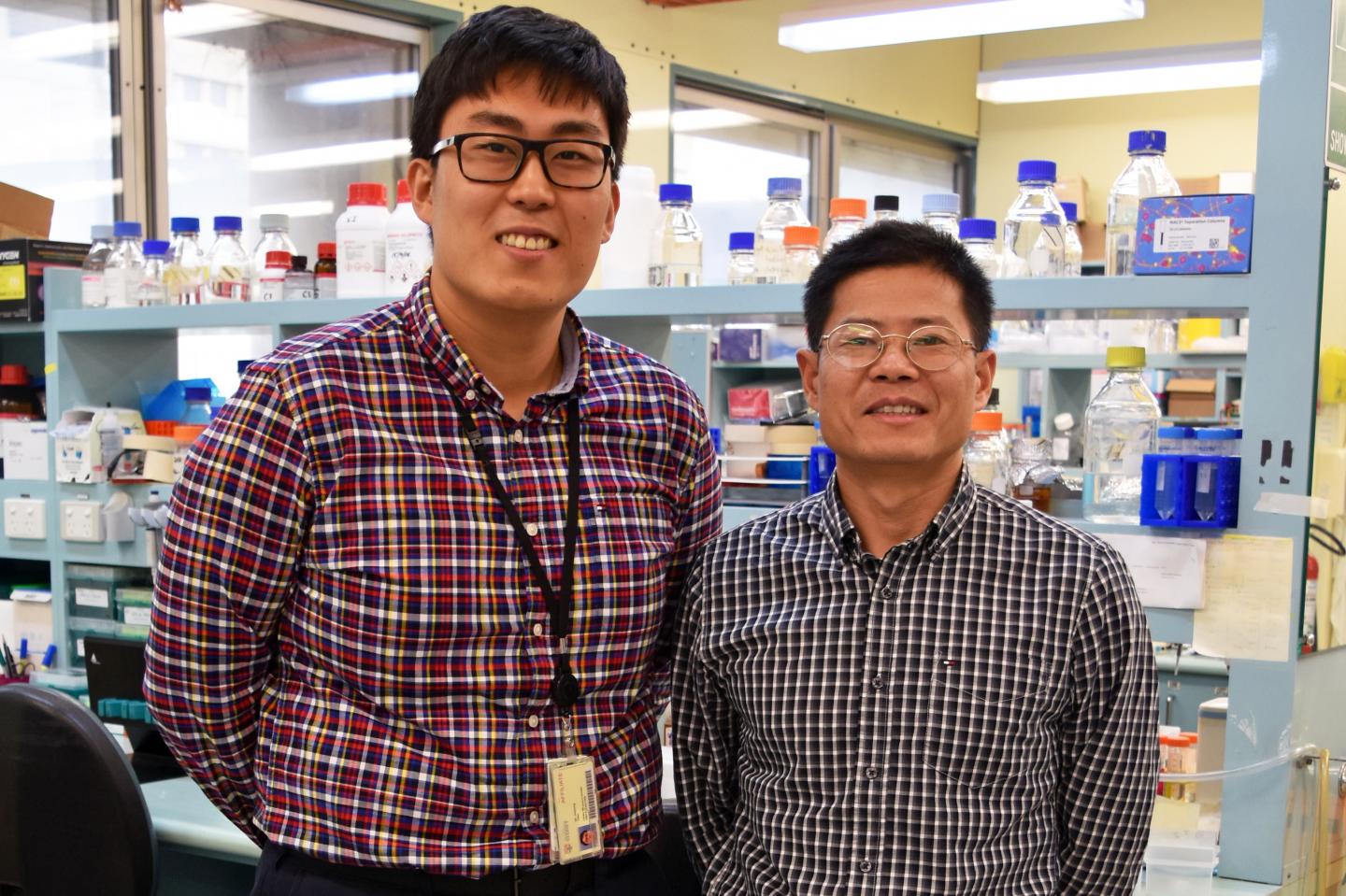
IMAGE

Credit: The Centenary Institute

A study led by researchers at the Centenary Institute has identified a drug currently used to treat cancer patients, as a potential treatment option for a leading cause of stroke in young people.

Cerebral Cavernous Malformations (CCM) occurs when abnormal and dilated thin-walled blood vessels form clusters in the brain; altering blood flow. The condition affects as many as 1-in-200 people, and can cause bleeding, epilepsy and stroke.

Most patients with CCM have no known genetic abnormality and only learn of their condition when they have an MRI on their brain for an unrelated condition – for example, a blow to the head. Other patients only discover their condition after experiencing a symptom, such as a seizure or a stroke.

Currently, the only treatment for CCM is surgery, which is not always possible; highlighting the urgent need for non-invasive, pharmacological treatment options.

In a study published in highly-regarded scientific journal Science Advances, researchers from the Centenary Institute in Sydney and several other institutions in Australia and China, have identified a suitable candidate.

Ponatinib is a drug which has been approved by the Food and Drug Administration (FDA) and is currently used to treat cancer patients. Through using mice models, these researchers have discovered the drug also inhibits the signalling pathway of the enzyme MEKK3; a process which is one of the causes of CCM.

Lead author and Centenary Institute researcher, Dr Jaesung Peter Choi says it's a significant step in the quest to find a suitable treatment for this debilitating disease.

"Our next goal is to synthesise derivatives of Ponatinib for specific use in CCM to maximise its efficacy, and to minimise any side effects," says Dr Choi.

Senior author and Head of Centenary's Cell Signalling Laboratory, Dr Xiangjian Zheng, says they're currently speaking to neurosurgeons in the US and China, with the hope of setting up a clinical trial.

"CCM is a cruel disease, which many patients don't realise they have until they experience a seizure or a stroke. If successful in clinical trials, this drug could potentially save lives," says Dr Zheng.

###

For more information about Centenary Institute, visit http://www.centenary.org.au

Media Contact

Laura Parr
[email protected]
@centenaryinst

Home

Share12Tweet8Share2ShareShareShare2

Related Posts

Revolutionizing Gastro-Oesophageal Adenocarcinoma Treatment: Progress and Prospects

May 15, 2026

Cancer-Linked Protein Plays Key Role in Tumor DNA Repair

May 15, 2026

Deadly Urothelial Cancer Linked to MYC Overexpression

May 15, 2026

New Targeted Radiopharmaceutical Therapy Achieves Remission in Pancreatic Cancer Model

May 15, 2026
Please login to join discussion

POPULAR NEWS

  • Research Indicates Potential Connection Between Prenatal Medication Exposure and Elevated Autism Risk

    843 shares
    Share 337 Tweet 211
  • New Study Reveals Plants Can Detect the Sound of Rain

    730 shares
    Share 291 Tweet 182
  • Salmonella Haem Blocks Macrophages, Boosts Infection

    62 shares
    Share 25 Tweet 16
  • Breastmilk Balances E. coli and Beneficial Bacteria in Infant Gut Microbiomes

    58 shares
    Share 23 Tweet 15

About

We bring you the latest biotechnology news from best research centers and universities around the world. Check our website.

Follow us

Recent News

New Actinomycin Derivatives Target Malaria More Selectively

Mobile App Enhances Exercise for Older Adults’ Cognition

Botulinum Toxin Reduces Urinary Retention Post-Hemorrhoidopexy

Subscribe to Blog via Email

Enter your email address to subscribe to this blog and receive notifications of new posts by email.

Join 82 other subscribers
  • Contact Us

Bioengineer.org © Copyright 2023 All Rights Reserved.

Welcome Back!

Login to your account below

Forgotten Password?

Retrieve your password

Please enter your username or email address to reset your password.

Log In
No Result
View All Result
  • Homepages
    • Home Page 1
    • Home Page 2
  • News
  • National
  • Business
  • Health
  • Lifestyle
  • Science

Bioengineer.org © Copyright 2023 All Rights Reserved.