Single-nucleus RNA sequencing of the basal forebrain in young and aged mice has revealed subregion- and subclass-specific transcriptional vulnerabilities in cholinergic neurons during aging. By profiling the medial septal nucleus and vertical limb of the diagonal band alongside the horizontal limb of the diagonal band and substantia innominata, researchers identified eighteen distinct cell subgroups and mapped their age-associated molecular regulatory patterns.
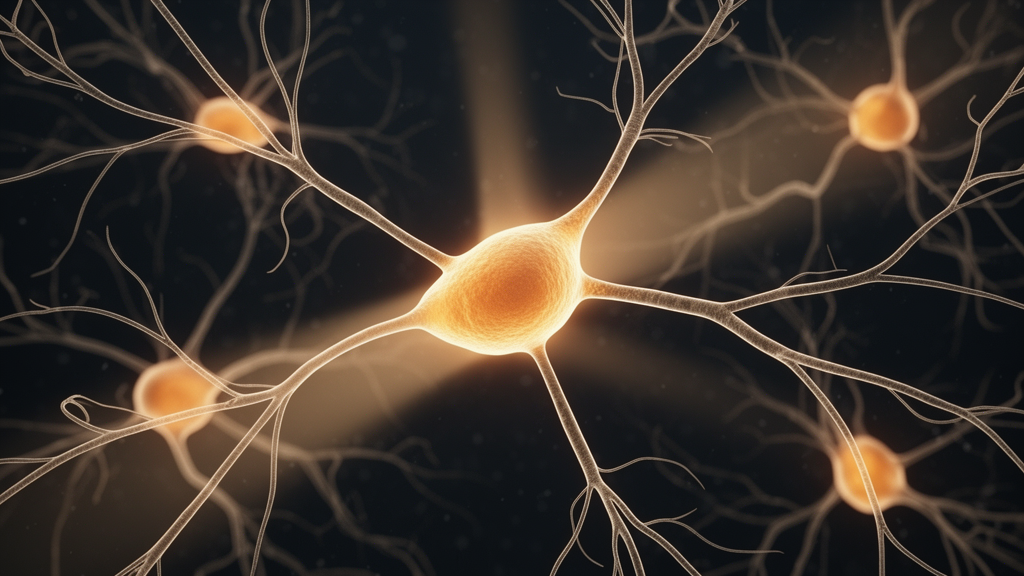
The basal forebrain serves as a critical brain region involved in diverse cognitive functions, including learning and memory. Early degeneration of basal forebrain cholinergic neurons is a recognized hallmark of brain aging and neurodegenerative disorders such as Alzheimer’s disease. In both aging and specific neurodegenerative conditions, cholinergic neurons located across distinct subregions exhibit differential vulnerability, though the underlying cellular and molecular mechanisms have remained unresolved.
Transcriptomic profiling revealed pronounced differences between anatomical areas, demonstrating that cell subgroups within the horizontal limb of the diagonal band and substantia innominata undergo more substantial aging-related transcriptional alterations than those within the medial septal nucleus and vertical limb of the diagonal band. These findings establish distinct subregion-specific molecular regulatory patterns that distinguish how separate anatomical zones within the basal forebrain respond to the aging process.
Intercellular communication analysis further indicated that cholinergic neurons receive enhanced amyloid precursor protein (APP) signaling during aging when compared to other cell subgroups in the basal forebrain. The study authors noted that this enhanced signaling implicates an increased susceptibility of these cholinergic neurons to neurodegenerative stress during the aging process, distinguishing their regulatory environment from surrounding non-cholinergic cell populations.
Focusing specifically on cholinergic neurons, the investigation uncovered four distinct molecular subclasses designated CN-1, CN-2, CN-3, and CN-4. Each of these four cholinergic subclasses exhibited distinct regulatory features as well as specific spatial distributions across the examined basal forebrain structures, distributions that the investigators validated experimentally using RNAscope analysis across the tissue samples.
Among the identified subclasses, the CN-2 subclass residing in the horizontal limb of the diagonal band and substantia innominata displayed the strongest aging response, reflecting heightened transcriptional vulnerability. Transcriptional regulatory network analysis revealed that these CN-2 neurons exhibit increased activity within regulons associated with the transcription factors Mitf and Chd2 during the aging process.
Experimental validation using RNAscope confirmed that Mitf expression is upregulated in these neurons during aging. Crucially, the Mitf- and Chd2-associated regulons converge on a specific subset of target genes that play pivotal roles in cytoskeletal organization and axonal stability, linking the heightened transcriptional vulnerability directly to structural components required for neuronal maintenance.
Together, the single-nucleus transcriptomic findings demonstrate subclass- and subregion-specific transcriptional vulnerabilities within basal forebrain cholinergic neurons during aging. By establishing that heightened aging responses and upregulated Mitf- and Chd2-associated regulons localize to specific neuronal subclasses, the study provides molecular insights into region-specific aging mechanisms and susceptibility to neurodegenerative diseases such as Alzheimer’s disease.
Subject of Research: Transcriptional vulnerability of basal forebrain cholinergic neurons during aging
Article Title: Single-nucleus transcriptomics reveals transcriptional vulnerability in basal forebrain cholinergic neurons during aging
Article References: Li, Q., Chen, J., Yang, Q., Ren, M., Liu, X., Gong, H., & Li, X. (2026). Single-nucleus transcriptomics reveals transcriptional vulnerability in basal forebrain cholinergic neurons during aging. BMC Biology. https://doi.org/10.1186/s12915-026-02800-7
Image Credits: AI Generated
DOI: 10.1186/s12915-026-02800-7
Keywords: basal forebrain, cholinergic neurons, single-nucleus RNA sequencing, transcriptional vulnerability, brain aging, Alzheimer's disease, medial septal nucleus, vertical limb of diagonal band, horizontal limb of diagonal band, substantia innominata, intercellular communication, APP signaling, Mitf regulon, Chd2 regulon, RNAscope validation, cytoskeletal organization, axonal stability, neurodegenerative susceptibility
News Source: Beatrice Stafford. (November 26, 2026). Specific Basal Forebrain Cholinergic Neurons Show Heightened Aging Vulnerability in Mice. Scienmag.