• HOME
  • NEWS
  • EXPLORE
    • CAREER
      • Companies
      • Jobs
    • EVENTS
    • iGEM
      • News
      • Team
    • PHOTOS
    • VIDEO
    • WIKI
  • BLOG
  • COMMUNITY
    • FACEBOOK
    • INSTAGRAM
    • TWITTER
Tuesday, October 20, 2026
BIOENGINEER.ORG
No Result
View All Result
  • Login
  • HOME
  • NEWS
  • EXPLORE
    • CAREER
      • Companies
      • Jobs
        • Lecturer
        • PhD Studentship
        • Postdoc
        • Research Assistant
    • EVENTS
    • iGEM
      • News
      • Team
    • PHOTOS
    • VIDEO
    • WIKI
  • BLOG
  • COMMUNITY
    • FACEBOOK
    • INSTAGRAM
    • TWITTER
No Result
View All Result
Bioengineer.org
No Result
View All Result
Home NEWS Science News Biology

SERPINB5 promotes pancreatic adenocarcinoma progression through FBXO32-mediated regulation of epithelial-mesenchymal transition

by
October 20, 2026
in Biology
Reading Time: 2 mins read
0
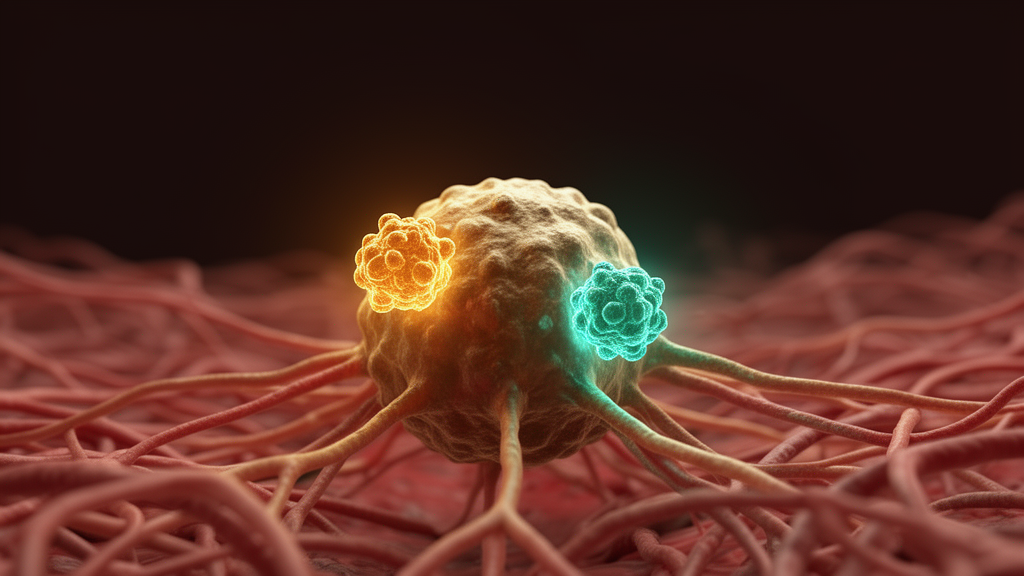
SERPINB5 promotes pancreatic adenocarcinoma progression through FBXO32-mediated regulation of epithelial-mesenchymal transition

Protein Duo SERPINB5 and FBXO32 Drive Deadly Pancreatic Cancer Spread

Share on FacebookShare on TwitterShare on LinkedinShare on RedditShare on Telegram

A study reported in Molecular Biology Reports found that silencing SERPINB5 reduced pancreatic adenocarcinoma cell proliferation, colony formation, migration and invasion, while changes in epithelial–mesenchymal transition-related proteins were reversed by restoring FBXO32 expression. The authors concluded that the SERPINB5/FBXO32 axis may contribute to pancreatic adenocarcinoma progression through regulation of epithelial–mesenchymal transition, although their findings come primarily from transcriptomic analyses and laboratory cell models.

The investigators screened differentially expressed genes in the TCGA-PAAD, GSE32676 and GSE101448 datasets. They used LASSO Cox regression and receiver operating characteristic curve analysis to identify prognostic candidates, selecting SERPINB5 for further investigation. Expression was examined in pancreatic adenocarcinoma cell lines, and the effects of SERPINB5 silencing were assessed with CCK-8 and colony-formation assays, Transwell migration and invasion assays, immunofluorescence, and Western blotting. Co-immunoprecipitation and rescue experiments were used to examine the relationship between SERPINB5 and FBXO32.

According to the abstract, a seven-gene risk model included SERPINB5 among its candidate prognostic genes. Single-gene ROC analyses distinguished pancreatic adenocarcinoma tumors from normal pancreatic tissues in all three transcriptomic datasets, with reported areas under the curve of 0.851, 0.966 and 0.965. SERPINB5 expression was consistently high in pancreatic adenocarcinoma tissues and cell lines. In the cell experiments, SERPINB5 knockdown inhibited proliferation, colony formation, migration and invasion. It also increased E-cadherin expression while reducing Vimentin and N-cadherin levels. Co-immunoprecipitation indicated a physical interaction between SERPINB5 and FBXO32, and SERPINB5 knockdown reduced FBXO32 expression.

The rescue experiments provide the central mechanistic result reported in the abstract: FBXO32 overexpression reversed the malignant cellular phenotypes and epithelial–mesenchymal transition-related changes produced by SERPINB5 silencing. This supports the authors’ interpretation that FBXO32 acts downstream of, or functionally compensates for, SERPINB5 in the studied cell models. The findings identify SERPINB5 as a candidate diagnostic and prognostic marker, but the evidence presented does not establish clinical performance or patient benefit. The available source is an abstract and article preview rather than the full report, and the experimental results are based on pancreatic adenocarcinoma cell lines rather than a prospective clinical cohort or patient outcomes.

Subject of Research: SERPINB5 and FBXO32 regulation of epithelial–mesenchymal transition in pancreatic adenocarcinoma cell models

Article Title: SERPINB5 promotes pancreatic adenocarcinoma progression through FBXO32-mediated regulation of epithelial-mesenchymal transition

Article References: Jiang, H., Zhang, P.-J., Li, W., & Zhang, H.-F. (2026). SERPINB5 promotes pancreatic adenocarcinoma progression through FBXO32-mediated regulation of epithelial-mesenchymal transition. Molecular Biology Reports, 53(1), Article 1719. https://doi.org/10.1007/s11033-026-12945-x

Image Credits: AI Generated

DOI: 10.1007/s11033-026-12945-x

Keywords: pancreatic adenocarcinoma, SERPINB5, FBXO32, epithelial–mesenchymal transition, cell proliferation, cell migration, cell invasion, transcriptomics, prognostic biomarkers, promotes, pancreatic, adenocarcinoma

News Source: Nathaniel Bowman. (October 20, 2026). SERPINB5 promotes pancreatic adenocarcinoma progression through FBXO32-mediated regulation of epithelial-mesenchymal transition. Scienmag.


Tags: adenocarcinomacell invasioncell migrationCell proliferationEpithelial-mesenchymal transitionFBXO32pancreaticpancreatic adenocarcinomaPrognostic biomarkerspromotesSERPINB5Transcriptomics
Share12Tweet7Share2ShareShareShare1

Related Posts

LX-2 hepatic stellate cells alter 3D HepG2 hepatocellular carcinoma spheroids and are associated with lower sorafenib sensitivity

LX-2 hepatic stellate cells alter 3D HepG2 hepatocellular carcinoma spheroids and are associated with lower sorafenib sensitivity

October 20, 2026
Review maps molecular pathways and management strategies for low-risk HPV skin warts

Review maps molecular pathways and management strategies for low-risk HPV skin warts

October 20, 2026

Quercetin improves bone measures in rats with collagen-induced arthritis alongside reduced Wnt3A and β-catenin expression

October 20, 2026

MPO and NE mRNA associated with severe albuminuric diabetic kidney disease in 70-patient study

October 20, 2026

POPULAR NEWS

  • Long-term air pollution exposure linked with bladder cancer risk in prospective UK Biobank analysis

    Long-term air pollution exposure linked with bladder cancer risk in prospective UK Biobank analysis

    29 shares
    Share 12 Tweet 7
  • Comparative cross-sectional study links nurse stress, resilience and psychological well-being in Ghana

    29 shares
    Share 12 Tweet 7
  • Research report: Deep learning based optimization of personalized psychological counseling strategies

    29 shares
    Share 12 Tweet 7
  • LX-2 hepatic stellate cells alter 3D HepG2 hepatocellular carcinoma spheroids and are associated with lower sorafenib sensitivity

    29 shares
    Share 12 Tweet 7

About

We bring you the latest biotechnology news from best research centers and universities around the world. Check our website.

Follow us

Recent News

Long-term air pollution exposure linked with bladder cancer risk in prospective UK Biobank analysis

Comparative cross-sectional study links nurse stress, resilience and psychological well-being in Ghana

Research report: Deep learning based optimization of personalized psychological counseling strategies

Subscribe to Blog via Email

Enter your email address to subscribe to this blog and receive notifications of new posts by email.

Join 85 other subscribers
  • Contact Us

Bioengineer.org © Copyright 2023 All Rights Reserved.

Welcome Back!

Login to your account below

Forgotten Password?

Retrieve your password

Please enter your username or email address to reset your password.

Log In
No Result
View All Result
  • Homepages
    • Home Page 1
    • Home Page 2
  • News
  • National
  • Business
  • Health
  • Lifestyle
  • Science

Bioengineer.org © Copyright 2023 All Rights Reserved.