


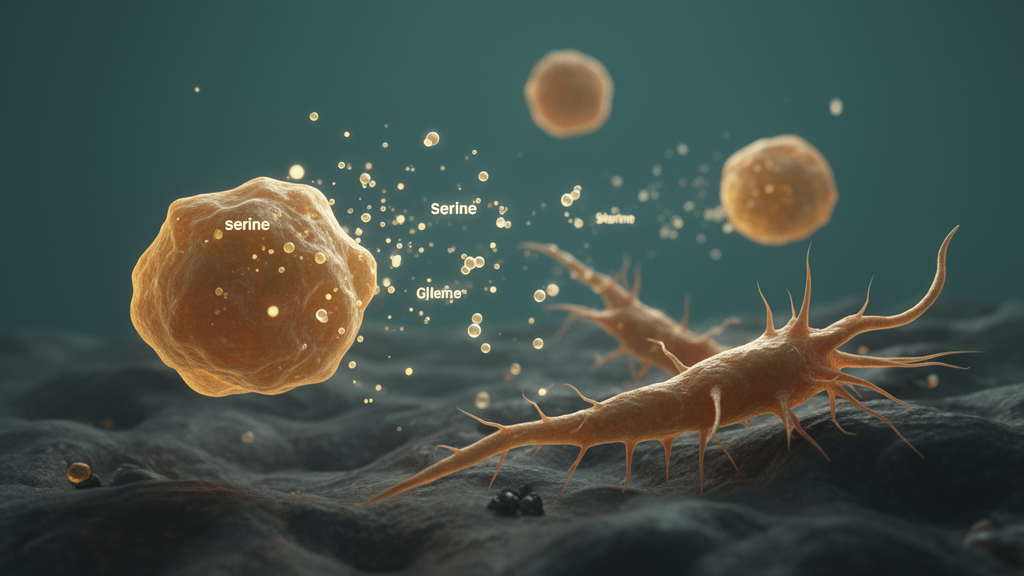
Pancreatic ductal adenocarcinoma (PDAC) grows in a nutrient-poor environment, and pancreatic cancer stem cells (PaCSCs) can persist there despite limited oxygen and nutrients, partly thanks to mitochondrial metabolic flexibility. A new open-access study in Cancer & Metabolism, published 18 September 2026, reports that when PDAC cells adapt to a shortage of the amino acids serine and glycine, they rewire their metabolism in ways that increase cancer stem cell frequency, migration, invasion and tumor-forming ability in vivo.
The researchers worked with primary cultures derived from PDAC patient-derived xenografts (PDXs), using them to model both cancer stem cell enrichment and adaptation to serine and/or glycine deprivation. Their toolkit combined bioinformatic analyses, RNA and protein measurements, 13C-glucose tracing, and real-time metabolic assays, with functional consequences tested in vitro and in vivo through measurements of viability, metabolism, stemness, invasion and tumorigenicity.
A first, somewhat counterintuitive finding emerged from the bioinformatic analyses: expression of the serine synthesis pathway (SSP) genes PHGDH and PSAT1 was inversely correlated with stemness-related signatures in human PDAC and was reduced in CSC-enriched PDX cultures. Yet the CSC-enriched cultures showed higher inferred SSP pathway activity, reflected in a greater relative contribution of glucose-derived carbon to serine and glycine synthesis, along with increased resistance to acute serine or glycine deprivation. Serine and glycine are conditionally essential amino acids in PDAC, and many human PDAC models depend on an exogenous supply of them.
The team then examined how PDAC cells adapt to long-term limited extracellular serine and/or glycine availability. The resistant cultures acquired increased mitochondrial respiratory flexibility, characterized by higher maximal respiration, greater spare respiratory capacity and resistance to the complex I inhibitor rotenone. At the same time, their mitochondria became less efficient, showing increased proton leak and a lower mitochondrial transmembrane potential. Adaptation to deprivation of a single amino acid was associated with features consistent with increased fatty acid utilization, whereas resistance to combined serine and glycine deprivation was linked to greater glucose dependence.
Functionally, the deprivation-resistant cultures showed increased CSC frequency, migration and invasion, and greater in vivo tumorigenicity.
The authors conclude that these findings reveal a functional link between serine/glycine availability, mitochondrial plasticity and PaCSC behavior. Adaptation to serine and/or glycine deprivation promotes metabolic rewiring that enhances the stemness potential of PDAC cells, supporting the idea that amino acid metabolic flexibility contributes to the persistence of pancreatic cancer stem cells under nutrient-limited conditions.
Subject of Research: How serine and glycine deprivation reshapes mitochondrial metabolism and enhances the stemness potential of pancreatic cancer cells.
Article Title: Adaptive response to serine and glycine deprivation enhances the stemness potential of pancreatic cancer cells
Article References: Parejo-Alonso, B., Mascaraque, M., Courtois, S., Gordo-Ortiz, A., Trasculeasa, N., Jalili Kolour, S. M., García-Céspedes, A., Criado-Alamo, E., Espiau-Romera, P., Villaoslada, I., Royo-García, A., Yuneva, M., Carreras-Puigvert, J., Peñuelas-Haro, I., Espinet, E., Rovira, M., Moustakas, A., Caja, L., & Sancho, P. (2026). Adaptive response to serine and glycine deprivation enhances the stemness potential of pancreatic cancer cells. Cancer & Metabolism. https://doi.org/10.1186/s40170-026-00457-y
Image Credits: AI Generated
DOI: 10.1186/s40170-026-00457-y
Keywords: pancreatic cancer, cancer stem cells, serine, glycine, serine synthesis pathway, mitochondrial plasticity, metabolic flexibility, PDAC, patient-derived xenografts, tumorigenicity, nutrient deprivation, Adaptive
News Source: Nathaniel Bowman. (October 28, 2026). Serine and Glycine Scarcity Drives Pancreatic Cancer Cells Toward Stem-like, Invasive Behavior. Scienmag.



