Credit: UEF
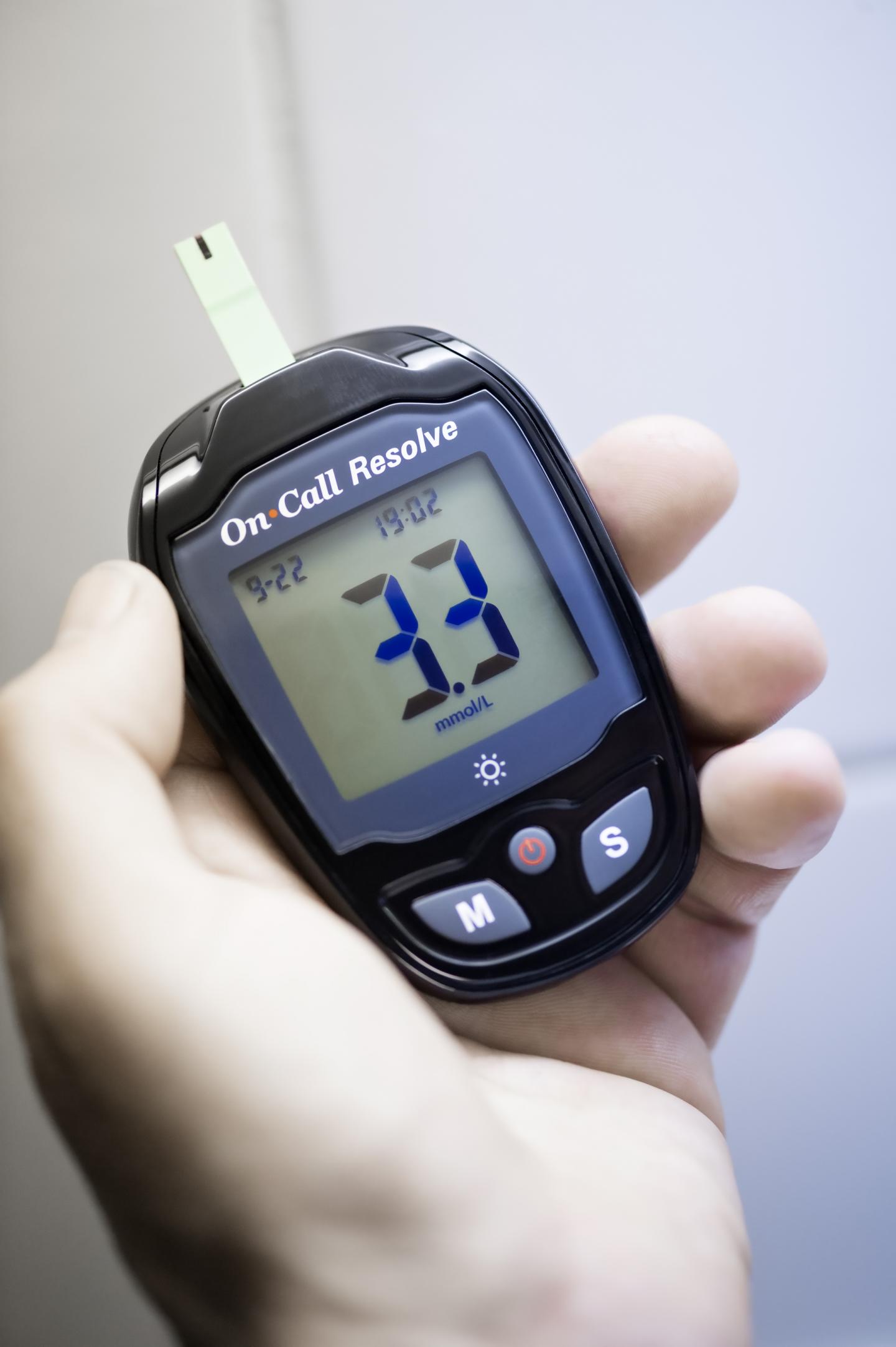
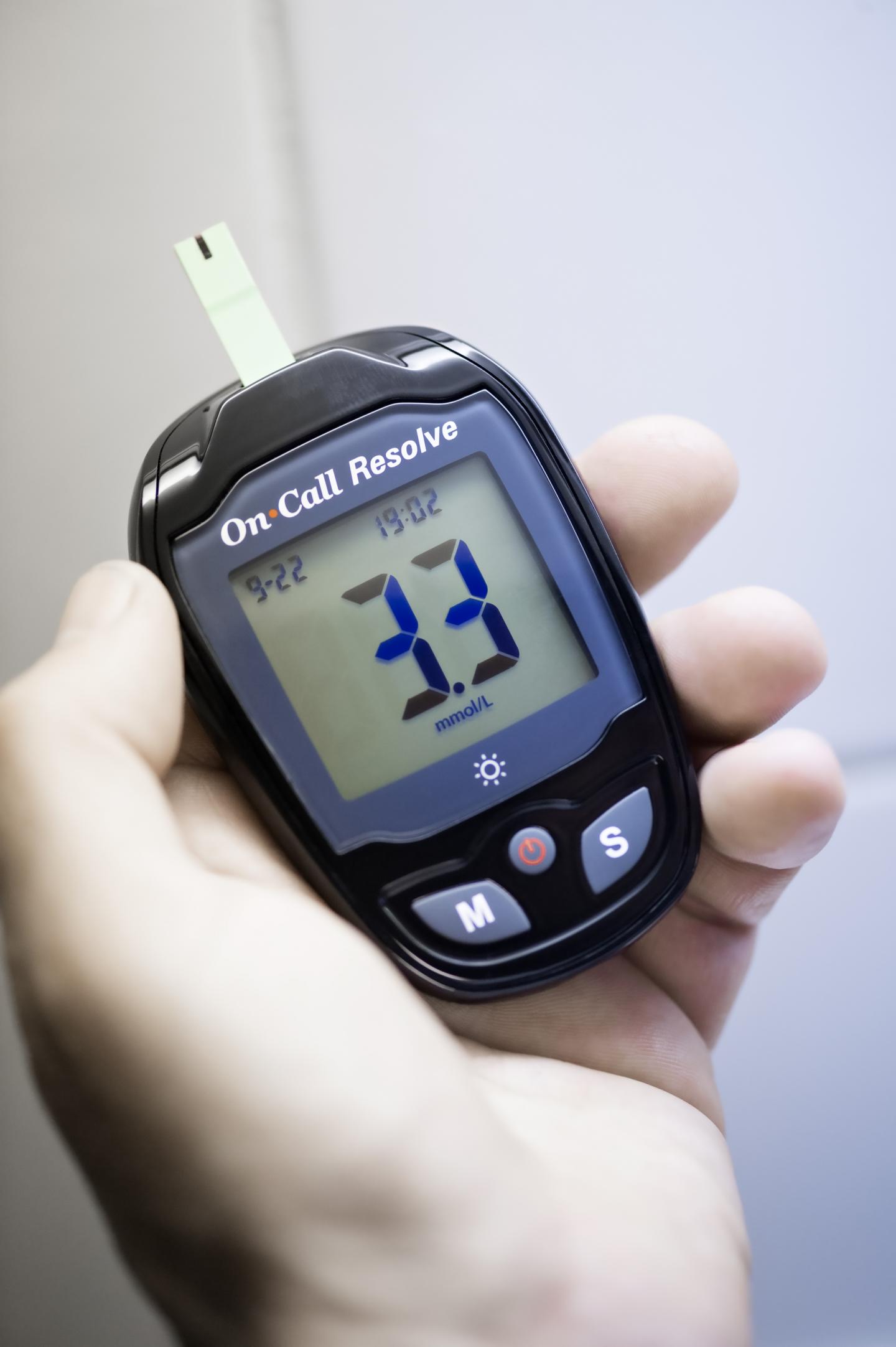
Self-monitoring of type 2 diabetes used in combination with an electronic feedback system results in considerable savings on health care costs especially in sparsely populated areas, a new study from the University of Eastern Finland shows.
Self-monitoring delivers considerable savings on the overall costs of type 2 diabetes care, as well as on patients' travel costs. Glycated hemoglobin testing is an important part of managing diabetes, and also a considerable cost item. By replacing half of the required follow-up visits with self-measurements and electronic feedback, the annual total costs of glycated hemoglobin monitoring were reduced by nearly 60 per cent, bringing the per-patient cost down from 280 EUR (300 USD) to 120 EUR (130 USD). With fewer follow-up visits required, the average annual travel costs of patients were reduced over 60 per cent, from 45 EUR (48 USD) to 17 EUR (18 USD) per patient. The study was published in the International Journal of Medical Informatics.
Carried out in the region of North Karelia in Finland, the study applies geographic information systems (GIS) -based geospatial analysis combined with patient registers. This was the first time the costs of type 2 diabetes follow-up were systematically calculated over a health care district in Finland. The study analysed 9,070 patients diagnosed with type 2 diabetes. Combined travel and time costs amount to 21 per cent of the total costs of glycated hemoglobin monitoring for patients with type 2 diabetes.
"The societal cost-efficiency of type 2 diabetes care could be improved in by taking into consideration not only the direct costs of glycated hemoglobin monitoring, but also the indirect costs, such as patients' travel costs," Researcher Aapeli Leminen from the University of Eastern Finland says.
The study used a georeferenced cost model to analyse health care accessibility and different costs associated with the follow-up of type 2 diabetes. Patients' travel and time costs were analysed by looking at how well health care services could be reached on foot or by bike, or by using a private car, a bus, or a taxi. According to Leminen, the combination of patient registers and GIS opens up new opportunities for research within the health care sector.
"This cost model we've now tested in the eastern part of Finland can easily be used in other places as well to calculate the costs of different diseases, such as cancer and cardiovascular diseases."
###
For further information, please contact: Early Stage Researcher Aapeli Leminen, tel. +358 44 2503685, aapeli.leminen(at)uef.fi
Self-monitoring induced savings on type 2 diabetes patients' travel and healthcare costs. Aapeli Leminen, Markku Tykkyläinen and Tiina Laatikainen. International Journal of Medical informatics 115 (2018), 120-127. DOI: 10.1016/j.ijmedinf.2018.04.012.
The article is available online at https://www.sciencedirect.com/science/article/pii/S1386505618304805
Media Contact
Aapeli Leminen
[email protected]
358-442-503-685
@UniEastFinland
http://www.uef.fi
Related Journal Article
http://dx.doi.org/10.1016/j.ijmedinf.2018.04.012