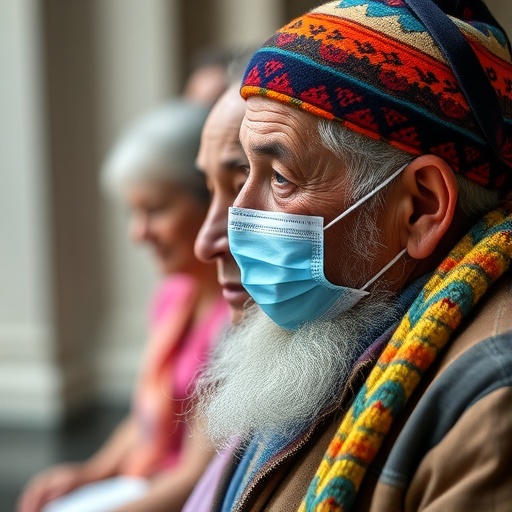
A recent cross-sectional study from Quito, Ecuador, sheds new light on the enduring impact of long COVID in older adults living independently within the community. Conducted by González-Andrade and published in BMC Geriatrics, this research focuses on what is termed “strict long COVID,” exploring symptom persistence and the associated functional decline in this vulnerable population.
Long COVID, characterized by lingering symptoms following acute SARS-CoV-2 infection, has presented an ongoing challenge to healthcare systems worldwide. However, much remains unclear about its long-term ramifications for older adults, who are already at increased risk for functional impairments. This study aims to address this gap by providing a detailed snapshot of symptomatology and physical functioning well beyond the acute phase of infection.
The research involved a cross-sectional analysis of community-dwelling older adults in Quito, allowing a comprehensive assessment of symptom persistence among those who survived initial infection. Through structured clinical evaluations and standardized functional tests, the study documented the prevalence of persistent symptoms like fatigue, dyspnea, cognitive difficulties, and musculoskeletal pain. Importantly, these symptoms were associated with measurable declines in daily living activities, suggesting a tangible erosion of physical independence.
One of the study’s key findings is the categorization of “strict long COVID,” defined by the ongoing presence of symptoms directly attributable to previous COVID-19 infection, excluding other comorbidities or alternative diagnoses. This rigorous criterion ensures that the functional decline observed is genuinely linked to long COVID, rather than confounded by unrelated health issues common in older adults.
Technically, the researchers employed validated scales to quantify functional capacity, such as gait speed and grip strength measurements, alongside self-reported symptom inventories. These metrics highlighted a clear trend: older adults with strict long COVID exhibited significantly lower physical performance compared to their non-affected peers. The persistence of symptoms extended beyond six months post-infection in a considerable subset, underscoring the chronic nature of this condition.
The implications of these findings are profound. As vaccination efforts and acute care improve survival rates, emphasis must now expand to address the prolonged healthcare needs of COVID-19 survivors. This study signals that clinicians and public health officials should remain vigilant for persistent symptoms and functional decline in older patients, even months after initial recovery.
Future research is needed to unravel the underlying pathophysiological mechanisms driving strict long COVID in older adults, including immune dysregulation and inflammatory processes. Moreover, the development of targeted rehabilitation protocols to restore function and quality of life will be crucial for this demographic.
In summary, González-Andrade’s work contributes valuable, evidence-based insights into the persistent effects of COVID-19 on aging populations living independently. By demonstrating a clear link between long COVID symptoms and functional decline, it highlights the urgent need for ongoing surveillance and tailored interventions to mitigate this emerging public health concern.
Subject of Research: Persistent long COVID symptoms and functional decline in community-dwelling older adults.
Article Title: Strict long COVID, symptom persistence, and functional decline among community-dwelling older adults in Quito, Ecuador: a cross-sectional study.
Article References: González-Andrade, F. Strict long COVID, symptom persistence, and functional decline among community-dwelling older adults in Quito, Ecuador: a cross-sectional study. BMC Geriatr (2026). https://doi.org/10.1186/s12877-026-07976-9
Image Credits: AI Generated
Tags: assessment of long COVID in geriatric populationcognitive and musculoskeletal symptoms post-COVIDcross-sectional studies on long COVIDEcuadorepidemiology of long COVID in Latin Americafunctional decline in elderly COVID-19 survivorshealthcare challenges of long COVID in elderlyimpact of long COVID on daily living activitieslong COVID symptom persistence in Quitolong COVID symptoms in elderly community-dwelling individualslong-term health effects of COVID-19 in seniorspersistent post-COVID symptoms in older adults