• HOME
  • NEWS
  • EXPLORE
    • CAREER
      • Companies
      • Jobs
    • EVENTS
    • iGEM
      • News
      • Team
    • PHOTOS
    • VIDEO
    • WIKI
  • BLOG
  • COMMUNITY
    • FACEBOOK
    • INSTAGRAM
    • TWITTER
Saturday, May 16, 2026
BIOENGINEER.ORG
No Result
View All Result
  • Login
  • HOME
  • NEWS
  • EXPLORE
    • CAREER
      • Companies
      • Jobs
        • Lecturer
        • PhD Studentship
        • Postdoc
        • Research Assistant
    • EVENTS
    • iGEM
      • News
      • Team
    • PHOTOS
    • VIDEO
    • WIKI
  • BLOG
  • COMMUNITY
    • FACEBOOK
    • INSTAGRAM
    • TWITTER
  • HOME
  • NEWS
  • EXPLORE
    • CAREER
      • Companies
      • Jobs
        • Lecturer
        • PhD Studentship
        • Postdoc
        • Research Assistant
    • EVENTS
    • iGEM
      • News
      • Team
    • PHOTOS
    • VIDEO
    • WIKI
  • BLOG
  • COMMUNITY
    • FACEBOOK
    • INSTAGRAM
    • TWITTER
No Result
View All Result
Bioengineer.org
No Result
View All Result
Home NEWS Science News Biology

Sea otters, opossums and the surprising ways pathogens move from land to sea

Bioengineer by Bioengineer
March 19, 2020
in Biology
Reading Time: 3 mins read
0
IMAGE
Share on FacebookShare on TwitterShare on LinkedinShare on RedditShare on Telegram

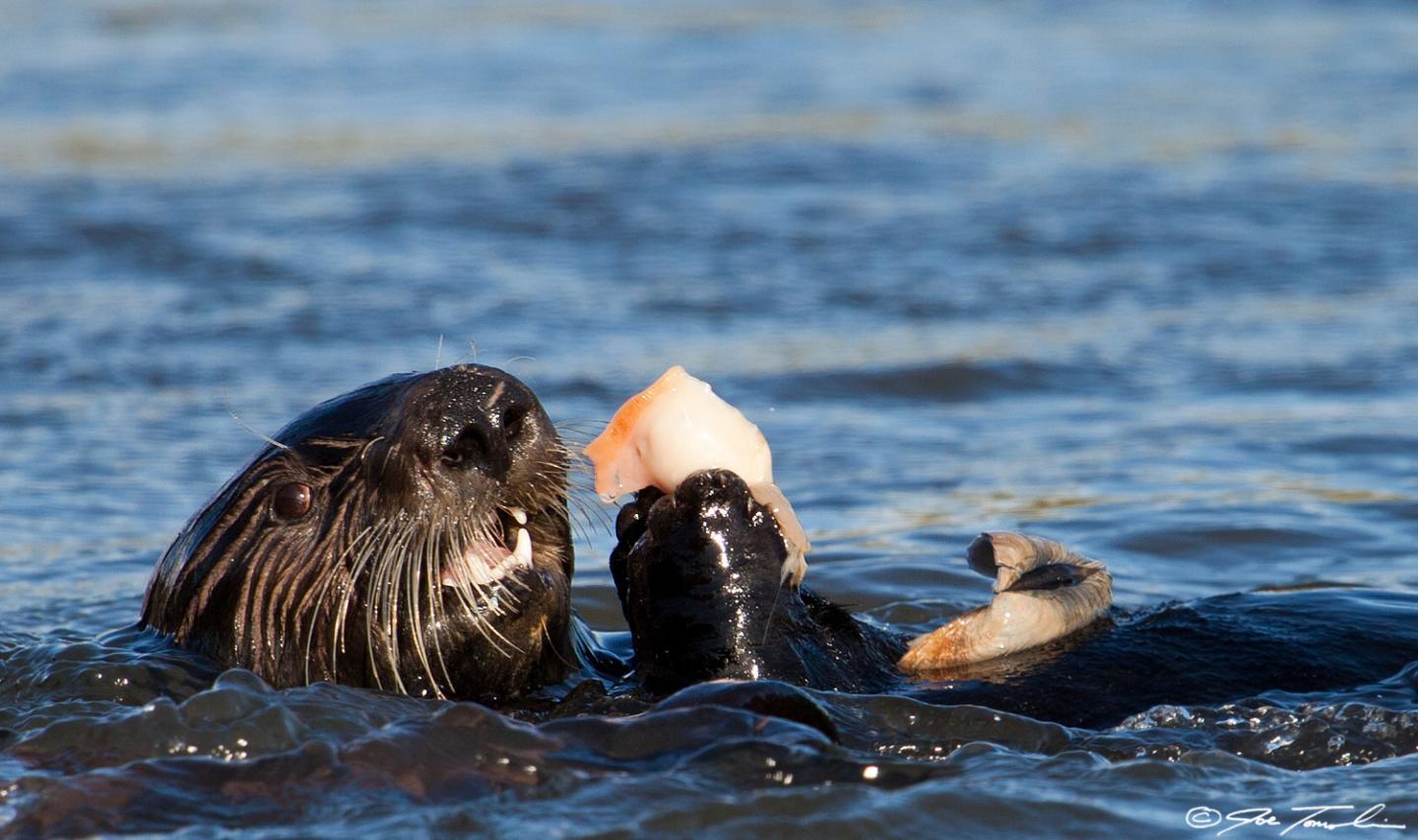
A new twist added to decades of sea otter research
IMAGE

Credit: Joe Tomoleoni/USGS

A parasite known only to be hosted in North America by the Virginia opossum is infecting sea otters along the West Coast. A study from the University of California, Davis, elucidates the sometimes surprising and complex pathways infectious pathogens can move from land to sea to sea otter.

For the study, published in the journal Scientific Reports, researchers tested sea otters ranging from Southern California to Alaska for the presence of Sarcocystis neurona, a parasite and important cause of death in sea otters.

They were surprised to find several infected sea otters in the northern part of Vancouver Island in British Columbia, where Virginia opossums — also known as the North American opossum — are not known to live. They wondered: Could this parasite travel very long distances in water, or is there an additional unknown host for this pathogen?

To answer this question, the scientists examined spatial patterns and previous research into pathogen transmission, diet and movement of otters. Their results suggest the pathogen may be carried by water runoff from land to sea, where it can be concentrated through ocean movement and prey species, such as clams.

LEARNING FROM OTTERS AND CATS

A related parasite, Toxoplasma gondii, is also known to kill sea otters. Decades of research by a consortium of scientists led by UC Davis School of Veterinary Medicine and the California Department of Fish and Wildlife traced that parasite to another land-based mammal — wild and domestic cats near watersheds.

“We know S. neurona kills sea otters, and we were pretty sure it comes from the land, but we didn’t really know how this pathogen finds them,” said lead author Tristan Burgess, a doctoral student in the lab of Christine Kreuder Johnson at the UC Davis One Health Institute at the time of the study. “This new research suggests that there may be a long and complex transmission pathway, a little like the way Toxoplasma finds sea otters, but with a different cast of characters.”

RISK FACTORS

Most infections occurred in California and Washington, more so than Alaska and British Columbia. The study found that higher risks of exposure were associated with:

  • Adult male otters.
  • Human-dense habitats, some wetlands and croplands.
  • Wetlands can help filter and deactivate some pathogens, but the study noted they may be potential opossum habitat, as well.
  • Habitats of soft sediment, like the mouths of rivers and estuaries.
  • Otters consuming a diet rich in clams, where the parasite may be concentrated.

MARINE MAMMAL SENTINELS

This study highlights risk factors for one species’ exposure to one parasite. But it also provides a better understanding of how parasites and infection can move from land to sea to marine mammals.

“Seemingly unimportant species can be important in unexpected ways,” Burgess said. “We should also remember the value of marine mammals as sentinels, not just of the health of their marine habitat, but of nearby terrestrial environments, too.”

S. neurona may be most familiar to horse owners, as the cause of equine protozoal myeloencephalitis, or EPM. UC Davis developed the diagnostic test for the disease in horses, and it has since been adapted for use in sea otters.

###

Media Contact
Kat Kerlin
[email protected]
530-752-7704

Original Source

https://www.ucdavis.edu/news/sea-otters-opossums-and-surprising-ways-pathogens-move-land-sea

Related Journal Article

http://dx.doi.org/10.1038/s41598-020-60254-5

Tags: BiologyEcology/EnvironmentMarine/Freshwater BiologyVirologyZoology/Veterinary Science
Share12Tweet8Share2ShareShareShare2

Related Posts

Single mother must adapt swiftly — the survival of her colony depends on it — Biology

Single mother must adapt swiftly — the survival of her colony depends on it

May 15, 2026
Why Are Nearly Everyone Right-Handed? It Might Be Linked to How We Learned to Walk — Biology

Why Are Nearly Everyone Right-Handed? It Might Be Linked to How We Learned to Walk

May 15, 2026

Excessive Neuronal Activity Initiates Severe Autoimmune Brain Disorder

May 15, 2026

Precision Anti-Aging Strategies Focus on Eliminating Harmful Senescent Cells While Preserving Beneficial Ones

May 15, 2026
Please login to join discussion

POPULAR NEWS

  • Research Indicates Potential Connection Between Prenatal Medication Exposure and Elevated Autism Risk

    843 shares
    Share 337 Tweet 211
  • New Study Reveals Plants Can Detect the Sound of Rain

    730 shares
    Share 291 Tweet 182
  • Salmonella Haem Blocks Macrophages, Boosts Infection

    62 shares
    Share 25 Tweet 16
  • Breastmilk Balances E. coli and Beneficial Bacteria in Infant Gut Microbiomes

    58 shares
    Share 23 Tweet 15

About

We bring you the latest biotechnology news from best research centers and universities around the world. Check our website.

Follow us

Recent News

LTBP4 Deficiency Reduces Heart Failure in Male Mice

Lifespan Brain Development in Congenital Heart Disease

Nurse Care Reduces Hospital Use in Multimorbid Patients

Subscribe to Blog via Email

Enter your email address to subscribe to this blog and receive notifications of new posts by email.

Join 82 other subscribers
  • Contact Us

Bioengineer.org © Copyright 2023 All Rights Reserved.

Welcome Back!

Login to your account below

Forgotten Password?

Retrieve your password

Please enter your username or email address to reset your password.

Log In
No Result
View All Result
  • Homepages
    • Home Page 1
    • Home Page 2
  • News
  • National
  • Business
  • Health
  • Lifestyle
  • Science

Bioengineer.org © Copyright 2023 All Rights Reserved.