A molecular switch best known for helping cells respond to DNA damage may also be driving the burning, electric and persistent pain that follows nerve injury, according to a new study in nerve-injured mice. Researchers led by Y. Guo, L. Huang and Y. Chen report that poly(ADP-ribose) polymerase 1, or PARP1, contributes to neuropathic pain by promoting the ferroptotic death of sensory neurons through a pathway controlled by glutathione peroxidase 4, commonly known as GPX4. The findings, published in Cell Death Discovery, connect three rapidly expanding areas of biomedical research: DNA-damage signaling, ferroptosis and chronic pain. The proposed mechanism suggests that damaged nerves do not simply transmit abnormal pain signals; they may also create a biochemical environment that pushes pain-sensing neurons toward an iron-dependent form of cell death.
Neuropathic pain develops when peripheral nerves or the nervous system itself are damaged. Unlike the short-lived pain caused by a cut or burn, it can persist long after the original injury and may be triggered by a light touch, mild temperature change or even contact with clothing. Patients often describe sensations of burning, stabbing, tingling or electrical shocks. Existing treatments, including anticonvulsants, antidepressants and opioid medicines, can reduce symptoms for some people but frequently provide incomplete relief and may cause substantial side effects. The new study focuses on a cellular process that could help explain why nerve injury becomes self-sustaining. By examining sensory neurons in mice after nerve damage, the researchers investigated whether ferroptosis, rather than being a secondary consequence of injury, actively participates in the development of pain hypersensitivity.
Ferroptosis is a regulated form of cell death that is chemically distinct from apoptosis, the orderly cellular self-destruction process familiar from cancer biology. Its defining feature is the uncontrolled accumulation of oxidized lipids in cellular membranes. Iron-dependent chemical reactions can generate highly reactive molecules that attack polyunsaturated fatty acids, gradually damaging the membrane until the cell loses its structural integrity. Cells normally defend themselves with antioxidant systems, and GPX4 is one of the most important safeguards. Using glutathione as a reducing agent, GPX4 converts lipid hydroperoxides into less reactive lipid alcohols, preventing the chain reaction that otherwise drives ferroptosis. When GPX4 activity is weakened or overwhelmed, neurons may become particularly vulnerable because their membranes are rich in easily oxidized lipids and their long axons face intense metabolic demands.
PARP1 adds another layer to this process. The enzyme detects certain forms of DNA damage and uses cellular NAD+ to build poly(ADP-ribose) chains on target proteins, helping organize DNA repair. This response is normally protective, but excessive or prolonged PARP1 activation can drain NAD+ and ATP, disrupt energy metabolism and amplify oxidative stress. In injured nerves, that metabolic pressure could affect the antioxidant capacity of sensory neurons. The study’s central finding is that PARP1 appears to promote neuropathic pain in association with GPX4-dependent ferroptosis. In practical terms, the researchers propose that nerve injury activates PARP1, weakens the defenses governed by GPX4 and increases the vulnerability of pain-sensing neurons to lipid oxidation and ferroptotic damage.
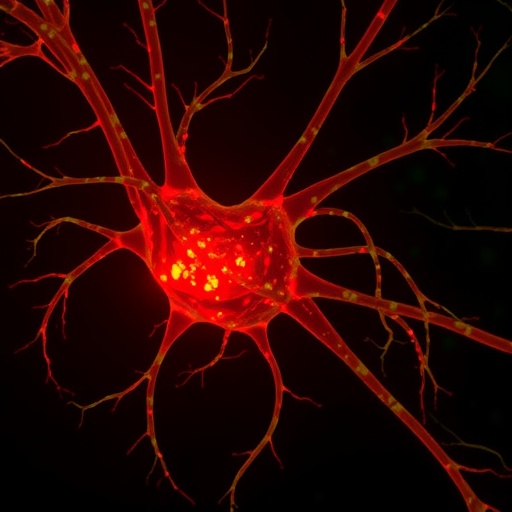
The sensory neurons examined in this context are not ordinary message-passing cells. Many are located in dorsal root ganglia, clusters of nerve-cell bodies positioned just outside the spinal cord. Their peripheral branches detect mechanical pressure, temperature and potentially damaging stimuli, while their central branches transmit information into the spinal cord. Injury can alter the electrical properties of these neurons, making them hyperexcitable. Oxidative damage and ferroptotic stress could intensify that abnormal signaling by disturbing membranes, ion channels, mitochondria and axonal transport. The result may be a feedback loop: nerve damage increases cellular stress, stressed neurons send stronger pain signals, and the loss or dysfunction of protective sensory cells further distorts the neural circuits that process pain.
The research is significant because it shifts attention from neurotransmitters and electrical excitability alone toward the survival chemistry of sensory neurons. Pain biology has increasingly recognized that immune cells, inflammatory mediators, mitochondria and redox balance can shape how injured nerves behave. Ferroptosis provides a possible bridge between these systems. Iron handling, glutathione availability, lipid composition and mitochondrial metabolism can all influence whether a cell remains viable or crosses the threshold into lethal oxidative damage. By placing PARP1 upstream of a GPX4-dependent ferroptotic pathway, the study offers a mechanistic framework in which DNA-damage signaling can be translated into persistent pain through redox collapse.
The findings also raise the possibility of new therapeutic strategies, although they do not yet establish a treatment for people with neuropathic pain. A drug that selectively reduces excessive PARP1 activity might preserve cellular energy and limit downstream oxidative stress. Compounds that strengthen GPX4 activity, maintain glutathione levels or block lipid peroxidation could theoretically protect sensory neurons from ferroptosis. Iron metabolism might represent another target, but manipulating iron throughout the body carries risks because iron is essential for oxygen transport, energy production and immune function. Any future therapy would need to distinguish harmful PARP1 signaling from the enzyme’s normal role in DNA repair and avoid suppressing protective responses in healthy tissue.
The mouse findings should also be interpreted with appropriate caution. Animal models can reproduce important features of nerve-injury pain, including mechanical hypersensitivity and abnormal responses to thermal or tactile stimuli, but they cannot fully capture the varied experience of chronic pain in human patients. The molecular balance between PARP1, GPX4, glutathione, iron and lipid oxidation may differ across tissues, species and types of nerve injury. It will be important to determine whether the same pathway is active in human sensory neurons, whether it is most relevant during the early or chronic phases of pain, and whether blocking it reduces pain without impairing nerve repair. Researchers will also need to identify which cells are most affected, because ferroptosis-related signals may arise from neurons, Schwann cells, immune cells or several of these populations at once.
Even with those unanswered questions, the study adds momentum to a rapidly developing field. Ferroptosis has attracted intense interest in cancer research, neurodegeneration, ischemic injury and inflammation, but its role in chronic pain is only beginning to emerge. The proposed PARP1–GPX4 connection suggests that the aftermath of nerve injury may be governed by a contest between damage signaling and antioxidant protection. If future work confirms that this molecular axis operates in people, it could help explain why some nerve injuries evolve into long-lasting pain while others resolve. It may also inspire treatments designed not merely to mute pain signals, but to protect the cells and biochemical systems that keep those signals from becoming permanently distorted.
Subject of Research: The role of PARP1 and GPX4-dependent sensory neuron ferroptosis in neuropathic pain following nerve injury.
Article Title: PARP1 contributes to neuropathic pain via GPX4-dependent sensory neuron ferroptosis in nerve-injured mice.
Article References: Guo, Y., Huang, L., Chen, Y. et al. “PARP1 contributes to neuropathic pain via GPX4-dependent sensory neuron ferroptosis in nerve-injured mice.” Cell Death Discovery (2026). https://doi.org/10.1038/s41420-026-03307-4
Image Credits: AI Generated
DOI: https://doi.org/10.1038/s41420-026-03307-4
Keywords: Neuropathic pain, PARP1, GPX4, ferroptosis, sensory neurons, nerve injury, oxidative stress, lipid peroxidation, neurobiology, pain research
Tags: chronic pain molecular mechanismsDNA damage signaling in neuropathyferroptosis and pain signalingferroptosis in sensory neuronsGPX4-dependent cell deathiron-dependent neurodegenerationmolecular pathways of chronic painmolecular targets for neuropathic painnerve damage-induced cell deathnerve injury and biochemical environmentneuropathic pain mechanismsPARP1 role in nerve injury