Scientists have created nearly 700 new cancer models from patient tumors, delivering one of the largest publicly available collections of human cancer organoids and cell lines for drug discovery. The models represent 25 cancer types and are designed to preserve many of the genetic, molecular, and biological characteristics of the tumors from which they originated. Researchers say the resource could help close a long-standing gap between the growing catalog of cancer mutations and the laboratory systems needed to test whether those mutations can be exploited therapeutically.
The international effort was conducted through the Human Cancer Models Initiative, a 10-year program supported primarily by the U.S. National Cancer Institute and the Wellcome Trust. Led by scientists at MIT’s Koch Institute, the Broad Institute, Dana-Farber Cancer Institute, the National Cancer Institute, and partner institutions worldwide, the initiative collected more than 2,700 tumor samples from consenting patients in the United States, the United Kingdom, and the Netherlands. Approximately one-third of the samples were successfully converted into models capable of surviving and multiplying in laboratory conditions.
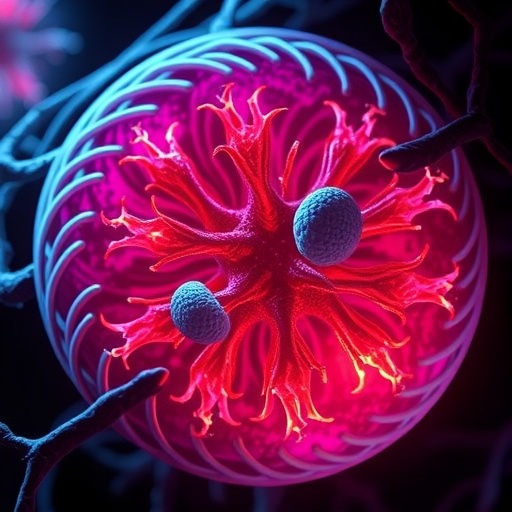
Most of the resulting models are organoids, three-dimensional structures made from tumor cells and grown in specialized culture media. Unlike conventional cancer cell lines, which typically form a flat layer on the surface of a laboratory dish, organoids develop within a supportive, gelatin-like scaffold that allows cells to organize into tissue-like structures. This three-dimensional environment can reproduce aspects of tumor architecture and cell behavior that are often lost when cancer cells are adapted to traditional two-dimensional culture.
The need for such models became clear after the Cancer Genome Atlas revealed the extraordinary genetic diversity of human tumors. Although thousands of patient samples had been sequenced, researchers had only about 1,000 established patient-derived cancer cell lines available for experiments. Those models were also disproportionately derived from patients of European or Southeast Asian ancestry, while many rare cancers and genetically unusual tumors were poorly represented. A limited model collection makes it difficult to determine whether a potential drug target is broadly relevant or applies only to a narrow subset of patients.
To create the new models, scientists developed tissue-specific culture conditions that provide cancer cells with the nutrients, signaling molecules, and physical support needed for long-term growth. Establishing a stable organoid or cell line can take as long as a year. Once a model was established, researchers compared it with the original tumor using several layers of molecular analysis, including DNA sequencing, RNA-expression profiling, and examination of epigenomic modifications. These tests helped determine whether the cultured cells retained the mutations, gene-activity patterns, and chemical changes that influence how cancer cells behave.
The collection includes models from common cancers such as lung, liver, and pancreatic tumors, as well as roughly 150 rare cancer types, including gallbladder and small-intestinal tumors. Each model has been deposited at the American Type Culture Collection, a nonprofit organization that distributes biological research materials. In addition to the cancer cells themselves, the associated data include information about the patient’s inherited genetic variants, known as germline mutations, and the treatments the patient received. This clinical context may allow researchers to investigate why tumors respond to certain therapies, develop resistance, or recur after treatment.
The models have already been incorporated into large-scale functional studies. In a companion Nature study, researchers at the Broad Institute analyzed more than 300 models using high-throughput DNA sequencing and RNA sequencing. They also performed CRISPR loss-of-function screens on more than 100 models. In these experiments, individual genes are systematically disrupted to reveal which ones cancer cells depend on for survival. If disabling a gene selectively kills cancer cells while leaving normal cells less affected, that gene may represent a potential therapeutic vulnerability.
The resulting data have been added to the Cancer Dependency Map, or DepMap, a research platform that connects cancer genotypes with cellular dependencies and possible drug targets. The resource now contains information on more than 2,000 cancer models. A separate companion study from the Wellcome Sanger Institute characterized another 256 organoids generated through the initiative, expanding the molecular and functional information available to researchers investigating tumor biology.
Scientists involved in the project emphasize that the collection is a major step rather than a final catalog of human cancer diversity. The formal HCMI program is winding down, but participating researchers hope to continue producing models from additional patient samples, especially pediatric and rare cancers. Because tumors can evolve during treatment and differ substantially between patients, even a collection of thousands of models cannot represent every clinically relevant cancer state. The researchers argue that continued tissue donation and international collaboration will be essential for building experimental systems that more accurately reflect the people who ultimately need new therapies.
Subject of Research: Patient-derived cancer models, cancer organoids, cancer genomics, drug discovery, and therapeutic vulnerabilities
Article Title: A compendium of next-generation patient-derived models for diverse cancers
News Publication Date: 5-Aug-2026
Web References: https://doi.org/10.1038/s41586-026-10806-y
References: Nature article, “A compendium of next-generation patient-derived models for diverse cancers”; Human Cancer Models Initiative; Cancer Dependency Map
Keywords: Cancer research, patient-derived models, organoids, cancer cell lines, drug development, drug discovery, genomics, CRISPR, Cancer Dependency Map, tumor biology, precision medicine, rare cancers
Tags: cancer mutation researchcancer research collaborationcancer tissue modelsdevelopment of 3D cancer organoidsdrug discovery using cancer modelsgenetic preservation in cancer modelshuman cancer organoidsinternational cancer model initiativelaboratory testing of cancer therapeuticspatient tumor samples for cancer modelingpatient-derived tumor modelstumor genetic and molecular characterization