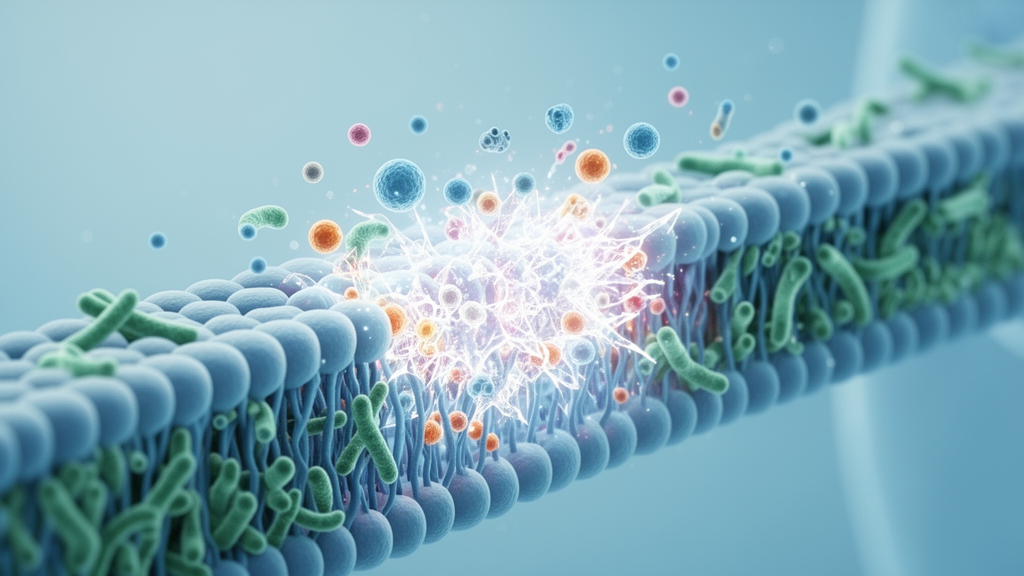
A narrative review published in the journal Immunity and Ageing synthesizes current evidence on how essential micronutrients regulate the cellular, molecular, and microbial drivers of inflammaging to support healthy longevity. Authored by Sheryl S. L. Tan and colleagues, the synthesis examines the biological challenges posed by global demographic transitions, where World Health Organization projections indicate that the global population aged sixty years and older will expand from one billion in 2020 to 1.4 billion by 2030, eventually reaching 2.1 billion by 2050, with adults aged sixty-five and older projected to outnumber children under eighteen by 2080. Although modern medical interventions have lengthened life expectancy, older individuals frequently spend extended proportions of their later years contending with chronic conditions, progressive functional decline, and diminished quality of life. The authors emphasize that a central biological mechanism propelling unhealthy aging is inflammaging, defined as a persistent, sterile, low-grade systemic inflammatory state that develops independently of overt infection. Driven by sustained antigenic exposure, oxidative stress, cellular senescence, mitochondrial dysfunction, and gastrointestinal dysbiosis, inflammaging is biochemically characterized by elevated circulating levels of pro-inflammatory mediators including interleukin-6, interleukin-1 beta, tumor necrosis factor-alpha, C-reactive protein, and interferons, which together accelerate chronic multimorbidity.
Closely coupled with inflammaging is immunosenescence, the progressive age-related remodeling and decline of protective immune function across innate and adaptive compartments. While historical perspectives viewed immunosenescence primarily as the upstream initiating cause of inflammaging, contemporary evidence demonstrates a complex bidirectional dynamic in which each condition continuously reinforces and accelerates the other. Compounding this self-perpetuating cycle is cellular senescence, a state of permanent cell cycle arrest that tissues enter upon accumulating critical levels of physiological stress or macromolecular damage. Although transient senescence plays physiological roles in embryonic development, tissue repair, and tumor suppression, aging tissues exhibit a progressive failure of immune surveillance mechanisms to effectively clear senescent cells. As these senescent cells persist, they secrete an array of pro-inflammatory cytokines, chemokines, growth factors, and extracellular matrix proteases known collectively as the senescence-associated secretory phenotype. This persistent secretory output sustains a cytotoxic microenvironment that damages surrounding parenchyma, impairs normal regenerative capacity, and incites neighboring healthy cells to undergo secondary senescence, thereby establishing an escalating loop of tissue degradation and systemic inflammatory signaling.
The review details the progressive vulnerability of hematopoietic stem cells and specialized immune organs under persistent inflammatory stress. In vivo experimental studies in aging mice demonstrate that hematopoietic stem cells exhibit skewed lineage differentiation, disproportionately favoring the production of myeloid precursors such as neutrophils, monocytes, and macrophages while markedly suppressing lymphoid cell output. This lineage skewing depletes the renewal of mature T cells and B cells, compromising pathogen defense while expanding innate lineages primed for inflammatory activation. Mechanistic investigations show that aging hematopoietic stem cells shift their baseline energy metabolism from quiescent glycolysis toward oxidative phosphorylation when exposed to systemic inflammatory signals, generating higher quantities of reactive oxygen species that induce genomic instability and double-strand DNA breaks. Concurrently, primary and secondary lymphoid organs experience structural deterioration; preclinical and clinical cohort evaluations confirm that progressive thymic involution severely restricts naive T cell output and constricts the circulating T cell receptor repertoire. Bone marrow microenvironments undergo niche remodeling that compromises hematopoietic support, while structural alterations in the spleen and lymph nodes weaken overall immune surveillance.
Functional alterations similarly degrade innate and adaptive immune cell performance over the lifespan, transforming protective host defenses into drivers of chronic pathology. Longitudinal and cross-sectional human observational investigations show that while absolute circulating neutrophil counts remain largely unchanged in older adults, aging neutrophils exhibit shortened functional lifespans, compromised directional chemotaxis, impaired phagocytic engulfment, dysregulated neutrophil extracellular trap formation, altered endothelial adhesion, and aberrant Toll-like receptor signaling cascades. These impairments delay the clearance of microbial pathogens and promote the accumulation of necrotic debris and senescent cells. Within adaptive immunity, peripheral T cells transition toward terminally differentiated memory, effector, and exhausted phenotypes characterized by defective proliferation and diminished co-stimulatory capacity. In vitro investigations confirm that aged B cell lineages undergo precursor depletion, impaired spontaneous antibody secretion, restricted antibody repertoire diversity, and the expansion of exhausted memory B cells that release pro-inflammatory cytokines. While ex vivo analyses indicate that absolute natural killer cell counts often rise in older cohorts, their per-cell cytotoxic target clearance capacity declines significantly.
At the fundamental molecular level, the authors identify a network of converging stress responses that progressively destabilize physiological homeostasis. Heightened intracellular oxidative stress inflicts persistent oxidative damage on genomic DNA, triggering the release of danger-associated molecular patterns that bind innate pattern recognition receptors to initiate chronic inflammatory cascades. Concurrently, epigenetic alterations, including genome-wide DNA methylation drift, altered histone post-translational modifications, and aberrant non-coding RNA expression profiles, disrupt physiological cell cycle checkpoints and compromise cellular DNA repair pathways. Progressive telomere shortening activates persistent DNA damage responses, accelerating cellular senescence and senescence-associated secretory phenotype factor synthesis. Furthermore, the loss of cellular proteostasis, driven by impaired quality control machinery and diminished autophagic flux, leads to the accumulation of misfolded protein aggregates and damaged cytoplasmic organelles. Dysfunctional mitochondria leak excessive reactive oxygen species and mitochondrial DNA into the cytosol, directly activating nuclear factor-kappa B transcription factors and triggering assembly of the Nod-like receptor protein 3 inflammasome, which cleaves pro-interleukins into mature bioactive inflammatory cytokines.
A critical contribution of the review is synthesizing the mechanistic link between age-associated gut microbiota dysbiosis, intestinal epithelial breakdown, and systemic inflammaging. Aging is consistently associated with taxonomic compositional shifts within the gastrointestinal tract, including an elevated Firmicutes to Bacteroidetes ratio, an expansion of pathobiont Proteobacteria, and marked alterations in beneficial Lactobacillus and Bifidobacterium populations. Functional metabolic output declines in parallel, particularly among essential short-chain fatty acid producers including acetate- and propionate-producing Akkermansia and Bifidobacterium, alongside butyrate-producing Faecalibacterium and Roseburia. Diminished short-chain fatty acid concentrations compromise intestinal regulatory T cell expansion and impair epithelial cellular energy provision. Proteases released by dysbiotic bacterial strains degrade crucial structural proteins such as E-cadherin, disrupting epithelial cell-to-cell adhesion. Combined with reduced tight junction integrity and localized oxidative stress, this compromised mucosal barrier allows the systemic translocation of bacterial endotoxins, including lipopolysaccharides, peptidoglycans, and flagellins. Upon entering the lamina propria and general circulation, these microbial-associated molecular patterns engage Toll-like receptor 4 and related pattern recognition receptors on dendritic cells and macrophages, activating mitogen-activated protein kinase and nuclear factor-kappa B pathways to sustain chronic low-grade endotoxemia.
The authors highlight the dynamic bidirectional relationship governing micronutrient availability and intestinal microbial homeostasis. Adequate dietary intakes of vitamins A, B-complex, C, D, E, and K, along with essential trace minerals including zinc, selenium, magnesium, iron, and copper, provide obligate biochemical cofactors that support antioxidant defenses, maintain epithelial barrier tight junctions, regulate DNA repair enzymes, and preserve mitochondrial electron transport chain efficiency. In preclinical and clinical studies, specific micronutrients directly reshape microbial communities: vitamin A promotes the abundance of anti-inflammatory taxa such as Akkermansia and Verrucomicrobiales; niacin (vitamin B3) enriches Bacteroidetes in human cohorts to support insulin signaling; riboflavin (vitamin B2) promotes Faecalibacterium and Roseburia to facilitate mucosal butyrate synthesis; and vitamin E enhances Akkermansia, Bifidobacterium, and Faecalibacterium populations. Reciprocally, a balanced microbiome actively synthesizes vitamin K and essential B vitamins, while microbial short-chain fatty acids acidify the intestinal lumen to enhance the solubilization and absorption of calcium and magnesium. Conversely, dysbiosis impairs nutrient uptake; in vitro studies demonstrate that bacterial lipopolysaccharides suppress sodium-dependent vitamin C transporter expression in intestinal enterocytes, and inflammatory states induce mucosal block phenomena that severely restrict iron and folate bioavailability.
The narrative review maps these micronutrient and microbiome interactions across specific age-related degenerative pathologies, evaluating their translational relevance in clinical and experimental contexts. In cardiovascular disease, chronic vascular inflammation and gut dysbiosis-driven NLRP3 inflammasome activation accelerate atherosclerosis and endothelial dysfunction. Clinical trials demonstrate that vitamin B9 supplementation reduces first-stroke risk, while vitamins C and D and magnesium preserve endothelial compliance, and vitamin E supplementation exhibits positive trends for arterial elasticity. In metabolic diseases and metainflammation, mucosal barrier breakdown exposes host immune cells to microbial peptides that share structural homology with self-antigens, inciting molecular mimicry and autoimmune tissue damage that impairs pancreatic beta-cell function; supplementation with zinc, vitamin D, and vitamin K improves glycemic parameters and insulin sensitivity in experimental and clinical models. For cognitive health, age-related intestinal dysbiosis exacerbates neuroinflammation and central cytokine accumulation, whereas vitamins B6, B9, and B12 regulate neurotoxic homocysteine metabolism. Clinical trials demonstrate that combined B-vitamin administration slows brain atrophy rates by up to forty percent in older individuals with high baseline omega-3 fatty acid concentrations, while multivitamin-mineral supplementation yields measurable improvements in memory, executive performance, and subjective stress resilience.
In musculoskeletal frailty and oncology, the review examines the contrasting therapeutic and toxicological boundaries of micronutrient modulation. In sarcopenia, elevated systemic levels of tumor necrosis factor-alpha and interleukin-6 stimulate skeletal muscle catabolism and suppress satellite cell regenerative capacity; observational cohorts correlate broad-spectrum micronutrient adequacy with reduced sarcopenia risk, and clinical trials confirm that vitamin D supplementation improves appendicular muscle mass, cross-sectional area, and physical performance. However, the authors caution that unsupervised iron administration carries severe risks, as excess circulating iron promotes hydroxyl radical generation and exacerbates tissue inflammation in individuals with altered hepcidin regulation. In oncology, persistent inflammatory signaling fosters genomic instability and tumor angiogenesis; although cohort studies link adequate vitamin D, vitamin K, and selenium status to lower incidences of specific malignancies, pharmacological intervention trials indicate that high-dose beta-carotene and vitamin E administration unexpectedly elevated cancer risk among high-risk groups, including older male smokers, demonstrating the absolute necessity of maintaining intake strictly within physiological thresholds.
Ultimately, Tan and colleagues conclude that translating micronutrient-based and microbiome-targeted strategies into routine geriatric care requires overcoming formidable methodological and physiological hurdles. Accurate nutritional profiling in older adults is severely constrained by variable gut absorption kinetics, polypharmacy-induced nutrient interactions, subjective dietary recall inaccuracies, and the narrow therapeutic index of elements such as selenium and zinc that follow non-linear U-shaped dose-response curves. Clinicians must account for established drug-nutrient interactions, such as those occurring between warfarin and vitamin K, methotrexate and folate, or fluoroquinolone antibiotics and divalent cations including magnesium and zinc. Furthermore, inter-individual microbiome heterogeneity and temporal taxonomic instability challenge standardized dietary prescriptions. The authors argue that moving beyond empirical single-nutrient supplementation toward clinically validated, microbiota-informed precision nutrition protocols requires multi-omics profiling, standardized gut biomarkers, and prospective interventional trials. When combined with foundational lifestyle patterns such as the Mediterranean diet, regular physical exercise, restorative sleep, and chronic stress management, targeted micronutrient sufficiency offers an evidence-backed framework to attenuate digestive inflammation, reinforce immune resilience, and mitigate the systemic burden of inflammaging.
Subject of Research: Mechanisms linking micronutrient sufficiency, gut microbiota dynamics, and inflammaging in older adults
Article Title: Inflammaging and the role of micronutrients as immunomodulators: a pathway to healthy aging
Article References: Tan, S. S. L., Garg, V., Dhiman, A., Bansal, N., & Conway, P. (2026). Inflammaging and the role of micronutrients as immunomodulators: a pathway to healthy aging. Immunity & Ageing, 23(1), Article 19. https://doi.org/10.1186/s12979-026-00569-5
Image Credits: AI Generated
DOI: 10.1186/s12979-026-00569-5
Keywords: inflammaging, micronutrients, gut microbiota, immunosenescence, cellular senescence, trace elements, vitamins, digestive inflammation, short-chain fatty acids, hematopoietic stem cells, intestinal barrier integrity, mitochondrial dysfunction, systemic inflammation, metainflammation, cytokines, healthy aging
News Source: Morgan Morrow. (November 20, 2026). Review Details Micronutrient and Gut Microbiome Pathways Mitigating Chronic Inflammaging. Scienmag.