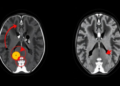
In a groundbreaking advancement for the treatment of large B-cell lymphoma (LBCL), researchers have demonstrated that metabolic tumor volume (MTV), a quantitative biomarker derived from positron emission tomography (PET), surpasses the well-established International Prognostic Index (IPI) in predicting progression-free survival (PFS) among patients undergoing chimeric antigen receptor (CAR) T-cell therapy. This pivotal discovery offers a new horizon for personalized medicine, allowing clinicians to tailor treatment strategies more precisely and potentially improve patient outcomes in refractory and relapsed disease states.
Large B-cell lymphoma, one of the most common aggressive non-Hodgkin lymphomas, often poses significant treatment challenges, especially in the relapsed or refractory setting. CAR T-cell therapy has revolutionized this therapeutic landscape by harnessing engineered immune cells to target and eradicate malignant lymphocytes. Despite its promise, patient stratification remains one of the most formidable obstacles, as existing clinical parameters have failed to reliably predict long-term therapeutic responses or identify patients at high risk of treatment failure.
The study, spearheaded by Dr. Conrad-Amadeus Voltin and collaborators from multiple European centers, involved a comprehensive analysis of 111 LBCL patients who underwent PET imaging immediately prior to receiving CAR T-cell therapy. By quantifying the metabolic tumor volume—a PET-derived measure that accounts for the total burden of metabolically active disease—they were able to establish a robust correlation between elevated MTV and diminished progression-free survival. This quantitative metric demonstrated superior predictive accuracy when compared to the traditionally used International Prognostic Index, prompting reconsideration of prognostic paradigms in this patient cohort.
Clinicians have relied on the International Prognostic Index for decades due to its simplicity and broad applicability, incorporating factors such as patient age, performance status, lactate dehydrogenase levels, extranodal involvement, and disease stage. However, the IPI’s predictive power is limited in the setting of novel therapies like CAR T-cells, where tumor biology and immune interactions play critical roles. MTV now emerges as a critical biomarker that intrinsically integrates tumor metabolic activity and burden, aspects directly reflecting the biological aggressiveness of the disease.
The implications of utilizing metabolic tumor volume biomarkers extend beyond mere prediction. High MTV patients identified prior to infusion may benefit from personalized bridging therapies aimed at reducing tumor burden before CAR T-cell administration. Such pre-conditioning strategies could enhance the efficacy of cellular immunotherapy by mitigating immunosuppressive factors and fostering a more favorable tumor microenvironment, thereby increasing the likelihood of durable remission.
Moreover, the quantitative PET biomarker holds potential for integration into dynamic treatment algorithms, not only in CAR T-cell contexts but also across other lymphoma subtypes and therapeutic regimens. This represents a paradigm shift toward precision oncology, emphasizing the use of functional imaging-derived metrics to guide clinical decisions in real time and adapt management in response to evolving disease characteristics.
The study’s strength lies in its multicenter design, encompassing data sets from six European academic institutions, which underpins the reproducibility and applicability of findings across diverse clinical settings. By employing advanced imaging analytics and rigorous statistical methodologies, the researchers have set a new standard for prognostic assessment in LBCL, illuminating the advanced role of molecular imaging technologies in oncological care.
While metabolic tumor volume presents as a promising tool, challenges remain in standardizing measurement protocols and ensuring broad accessibility of high-quality PET imaging. Inter-institutional variability in imaging acquisition and interpretation can influence MTV quantification, underscoring the necessity for consensus guidelines and collaborative efforts to harmonize methodologies across centers globally.
Additionally, the underlying biology linking metabolic tumor burden to treatment resistance warrants deeper exploration. Understanding the molecular pathways that confer increased metabolic activity in lymphoma cells and their interaction with CAR T-cell functionality may uncover novel therapeutic targets, synergistic combinations, or biomarkers predictive of immune evasion and relapse.
This research not only represents a milestone in lymphoma management but also highlights the transformative power of theranostic approaches—where diagnostic imaging directly informs therapeutic interventions—advancing the frontier of nuclear medicine and molecular imaging in precision immuno-oncology. As CAR T-cell therapies continue to evolve and gain regulatory approval worldwide, such insights will be critical to optimizing patient selection, maximizing clinical benefit, and minimizing adverse effects.
Dr. Voltin and his colleagues anticipate that incorporating MTV into routine clinical workflows could lead to earlier identification of high-risk patients, enabling timely modifications in treatment plans. This tailored approach aims to reduce morbidity and improve survival rates, underscoring a patient-centered model of care that aligns with the broader goals of personalized medicine.
Published in the Journal of Nuclear Medicine, this landmark study calls for expanded validation in larger cohorts and prospective clinical trials to solidify the role of metabolic tumor volume in clinical decision-making and to explore its potential synergies with emerging biomarkers and therapeutic modalities.
As molecular imaging technologies advance and analytical software becomes increasingly sophisticated, biomarkers like MTV exemplify the future of oncology—integrating functional imaging with molecular insights to refine prognostication, guide therapy, and ultimately improve patient outcomes in hematologic malignancies.
Subject of Research: Metabolic tumor volume as a prognostic biomarker in large B-cell lymphoma patients undergoing CAR T-cell therapy.
Article Title: Risk Assessment in Large B-Cell Lymphoma Using Metabolic Tumor Volume: Real-World Data from a Multicenter Cohort of Patients Undergoing CAR T-Cell Therapy
News Publication Date: April 22, 2026
Web References:
https://jnm.snmjournals.org/content/early/2026/03/19/jnumed.125.271976
https://dx.doi.org/10.2967/jnumed.125.271976
References:
Voltin CA, Drzezga A, Dietlein M, et al. Risk Assessment in Large B-Cell Lymphoma Using Metabolic Tumor Volume: Real-World Data from a Multicenter Cohort of Patients Undergoing CAR T-Cell Therapy. Journal of Nuclear Medicine. 2026. DOI: 10.2967/jnumed.125.271976
Image Credits: Image created by Conrad-Amadeus Voltin et al., University Hospital Cologne, Cologne, Germany.
Keywords: molecular imaging, metabolic tumor volume, PET imaging, large B-cell lymphoma, CAR T-cell therapy, prognostic biomarkers, progression-free survival, personalized medicine, theranostics, oncology, nuclear medicine
Tags: CAR T-cell therapy response predictionimmune cell therapy for lymphomaInternational Prognostic Index limitationsmetabolic tumor volume in lymphomapatient stratification in lymphoma therapypersonalized medicine in lymphoma treatmentPET biomarker for large B-cell lymphomaPET imaging in CAR T-cell therapypredicting survival outcomes in LBCLprogression-free survival predictionquantitative PET biomarkersrefractory and relapsed large B-cell lymphoma