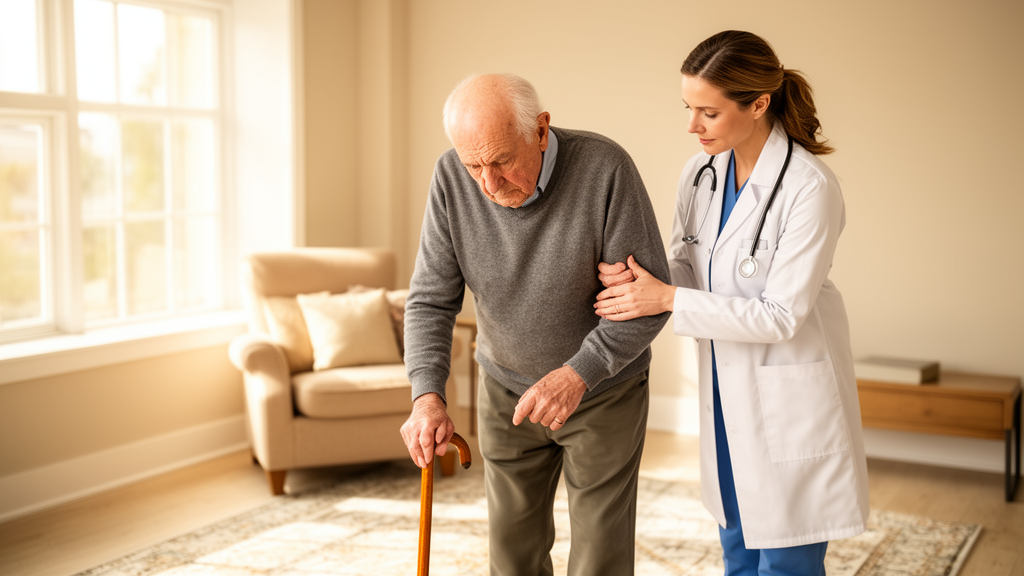
Osteoporosis is common in older adults, and its most devastating consequence is often a hip fracture, with serious personal and societal effects. A newly published perspective in the journal Aging Clinical and Experimental Research argues that one group at particularly high risk is not receiving the bone-health attention it deserves: people living with Parkinson’s disease.
The article, authored by Stuart Silverman and Elaine Dennison, is a perspective piece rather than a report of new clinical trial data. Its central argument rests on well-established associations: Parkinson’s disease, described by the authors as the second most common neurodegenerative condition, is strongly associated with fractures. Many comorbidities increase fracture risk, and Parkinson’s disease stands out among them, making proactive bone-health management in these patients a clinical priority.
The authors highlight a particularly vulnerable intersection: the frequent co-existence of dementia with Parkinson’s disease. Multimorbidity, generally recognised as the presence of two or more comorbidities, becomes increasingly common with age and complicates successful aging. In this specific combination, the authors argue, the overlap can be especially harmful to bone health and to the management of fractures when they occur. This makes appropriate preventive strategies critical, particularly because individuals with dementia have been identified as having poor outcomes after fracture more generally.
Against this backdrop, the perspective points to emerging tools that may help close the care gap. New techniques using machine learning, the authors suggest, may support best practice in identifying and managing fracture risk. However, they caution that knowledge of how best to incorporate these technologies into international guidelines remains an urgent priority.
The article’s closing message is directed at clinicians, patients and carers alike: all three groups should be proactive in their approach to bone health to reduce the risk of devastating fragility fracture. Because the piece is a perspective, it synthesises existing knowledge and expert judgment rather than presenting new measured findings, and its recommendations should be read in that light.
Subject of Research: Osteoporosis care and fracture prevention in people with Parkinson's disease
Article Title: Osteoporosis care in the context of a diagnosis of Parkinson’s disease: can we do more?
Article References: Silverman, S., & Dennison, E. (2026). Osteoporosis care in the context of a diagnosis of Parkinson’s disease: can we do more?. Aging Clinical and Experimental Research. https://doi.org/10.1007/s40520-026-03552-8
Image Credits: AI Generated
DOI: 10.1007/s40520-026-03552-8
Keywords: osteoporosis, Parkinson's disease, fragility fracture, hip fracture, dementia, multimorbidity, bone health, machine learning, clinical guidelines, neurodegenerative disease, fracture prevention, older adults
News Source: Diana Fleming. (October 28, 2026). Parkinson’s Disease Raises Fracture Risk, and Osteoporosis Care Must Keep Up. Scienmag.