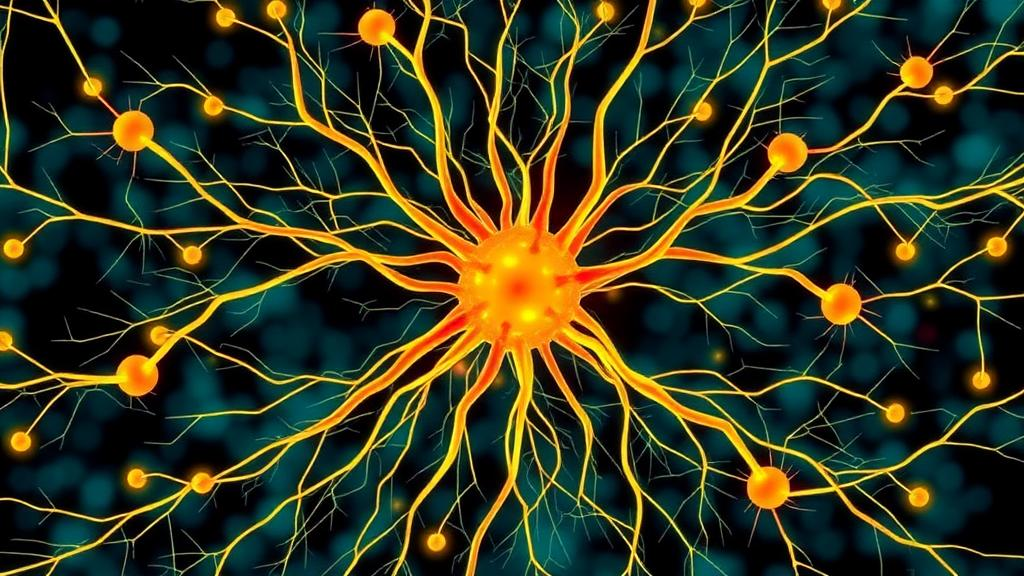
Neuropathic pain affects hundreds of millions of people worldwide, yet the drugs used to treat it have barely improved in decades. Gabapentinoids, tricyclic antidepressants, and serotonin–noradrenaline reuptake inhibitors leave many patients with incomplete relief, while opioids carry safety concerns and inconsistent long-term benefit. A new review published in the Journal of Translational Medicine argues that the reason for this therapeutic stagnation may lie in a place most pain research has overlooked: the dorsal root ganglion, a small cluster of nerve-cell bodies along the spine that acts as the first relay station for every sensation the body experiences, from a gentle touch to a burning injury.
The review, led by Xu-Ran Liao and colleagues at West China Hospital of Sichuan University, synthesizes nearly a decade of single-cell and single-nucleus RNA sequencing studies of the dorsal root ganglion, or DRG, across three major causes of neuropathic pain: traumatic peripheral nerve injury, diabetic painful neuropathy, and chemotherapy-induced neuropathy. Its central message is both striking and sobering. These conditions share broad biological processes, including neuronal state remodeling, disrupted glial support, context-dependent immune responses, and extracellular matrix reorganization, but they do not converge on a single conserved molecular program. In other words, there may be no one-size-fits-all target for chronic pain, and the search for one may explain why so many promising analgesics have failed in clinical trials.
The technological shift that made this insight possible is relatively recent. Conventional bulk RNA sequencing averages gene expression across an entire tissue, blurring the signals of rare but critical cell populations such as nociceptor subtypes and infiltrating immune cells. Single-cell RNA sequencing dismantles that limitation by profiling gene expression in individual cells, revealing that the DRG contains roughly 14 to 18 conserved sensory neuron subtypes across species. These include peptidergic nociceptors marked by Calca and Tac1, non-peptidergic nociceptors defined by Mrgprd and P2rx3, and myelinated low-threshold mechanoreceptors expressing Nefh and Ntrk2/3. Single-nucleus sequencing, which profiles RNA from isolated nuclei rather than whole cells, extends this approach to frozen human tissue and better captures the large sensory neurons that are often lost during enzymatic dissociation, though it sacrifices cytoplasmic and axonally localized transcripts.
Each method carries trade-offs that shape biological interpretation. Whole-cell dissociation can preferentially exclude large or fragile myelinated neurons and artificially induces stress-response genes such as Fos and Jun, while nuclear sequencing underrepresents messages enriched in distal axons. A recent single-soma deep-sequencing strategy combining laser capture microdissection with Smart-seq2 has pushed sensitivity further, detecting on average more than 9,000 unique genes per human DRG neuron, well beyond standard nuclear approaches. Spatial transcriptomics adds another dimension, preserving the anatomical arrangement of neuronal–glial units and immune niches that dissociation destroys. The review emphasizes that batch effects from differences in sequencing depth, tissue processing, and computational pipelines remain a significant obstacle to comparing results across laboratories, models, and species.
Beyond the neurons themselves, the single-cell era has transformed understanding of the DRG’s supporting cast. Satellite glial cells, once considered a homogeneous sheath wrapping each neuronal cell body, turn out to be molecularly diverse, with distinct subtypes preferentially associating with specific neuronal classes. Some express the potassium channel Kir4.1 and preferentially ensheathe nociceptors, while others, enriched in Fabp7, cluster around large mechanoreceptors. A subpopulation expressing Ugt8 and other galactosylceramide biosynthesis enzymes contributes to the structural integrity of the neuron–glia interface through lipid metabolism. Schwann cells, meanwhile, can revert to progenitor-like repair states after injury, and one recently identified stress-response subtype, marked by high neuropeptide Y expression, appears to coordinate tissue remodeling through osteopontin signaling. Resident macrophages exist along a spectrum of activation states rather than fitting the classical M1/M2 dichotomy, and mast cells have been shown to drive neurogenic inflammation through the Mrgprb2 receptor in selected nerve-injury models.
When the review compares the three pain etiologies, the contrasts are as informative as the similarities. Peripheral nerve injury triggers a partial loss of neuronal subtype identity, robust induction of the injury marker Atf3, and activation of regeneration-associated genes including Sprr1a and Gap43. Injured neurons secrete chemokines such as Ccl2 and Csf1, recruiting Ccr2-positive monocyte-derived macrophages into the ganglion, while satellite glial cells shift toward reactive gene expression and away from cholesterol biosynthesis, potentially starving neurons of lipid support for repair. The iPain atlas has additionally identified a senescence-like nociceptor state in chronic pain models, and senolytic treatment reduced pain-related behaviors in mice, though the authors caution that behavioral improvement alone does not prove the underlying transcriptional state is reversible.
Diabetic painful neuropathy, which affects up to half of all people with diabetes, tells a different story. Here the driver is chronic metabolic stress rather than mechanical trauma, and the neuronal changes reflect altered sensory coding: clusters associated with mechanical allodynia show upregulation of Fxyd7 and Atp1b1, implicating ionic dysregulation, while aberrant Mrgprd expression in non-peptidergic neurons suggests ectopic activation of cutaneous afferents. The most distinctive feature, however, is metabolic impairment of satellite glial cells. Reduced Ugt8 expression disrupts galactosylceramide biosynthesis, weakening lipid raft integrity and the metabolic coupling between glia and neurons. In human diabetic tissue, spatial profiling of Nageotte nodules, structures long associated with advanced neuropathy, revealed that they are composed mainly of SPP1-expressing satellite glial cells and non-myelinating Schwann cells accompanying dystrophic or sprouting sensory axons, providing a human pathological correlate of multicellular degeneration. Notably, macrophages in prediabetic mice can express Trem2 and Lgals3 and may actually delay sensory axon degeneration, a protective role that contrasts sharply with the pain-promoting macrophage response seen in some nerve-injury models and argues against indiscriminate anti-inflammatory strategies.
Chemotherapy-induced neuropathy adds yet another layer of complexity, because different drugs produce different pathologies. Paclitaxel causes widespread Camk1d upregulation across sensory neuron subtypes and prominent remodeling of C-low-threshold mechanoreceptor-like neurons, with functional knockdown experiments implicating Camk1d in thermal and cold hypersensitivity. Paclitaxel also suppresses Timp3 in satellite glial cells, disinhibiting metalloproteinase signaling involving Mmp14 and Adam17 and creating a pro-inflammatory microenvironment. Bortezomib, by contrast, drives an Atf3-dependent profibrotic program in satellite glial cells of male mice, producing collagen deposition that physically constricts sensory neurons, a response linked to macrophage–glial crosstalk and far less prominent in females, which instead showed relative enrichment of lipid metabolic programs. Sex, the review stresses, is a biological variable that pain research can no longer ignore.
These findings raise an obvious question: how well do mouse data translate to humans? Human DRG atlases built from single-nucleus sequencing, spatial transcriptomics, and single-soma deep sequencing show broad conservation of major sensory neuron classes but also reveal species-specific differences that may have undermined past analgesic development. Human nociceptors display a more continuous transcriptional spectrum than the discrete peptidergic and non-peptidergic clusters seen in mice, and some human-enriched populations, including a PIEZO2-high peptidergic subtype, lack clear murine counterparts. Markers such as TRPV1 and MRGPRD show broader, less discrete expression in human tissue, meaning a target that appears restricted to one nociceptor population in mice may be more diffusely distributed in humans. The clinical example of Nav1.7 illustrates the challenge: human loss-of-function variants in SCN9A cause congenital insensitivity to pain, yet selective Nav1.7 inhibitors have shown limited efficacy in trials, possibly because the channel’s expression is concentrated in only some nociceptor populations. Meanwhile, the Nav1.8 inhibitor suzetrigine has won regulatory approval for moderate-to-severe acute pain, though its efficacy in neuropathic pain remains under investigation.
The review’s authors are candid about the limits of the field. Most single-cell studies rely on single-time-point or repeated cross-sectional sampling, which cannot establish temporal progression or causality; pseudotime analyses order cells by transcriptional state but are not equivalent to biological time, and ligand–receptor inference predicts potential communication without proving spatial proximity or receptor activation. Human DRG tissue is available mainly from organ donors with incomplete pain phenotyping, and transcript abundance does not necessarily predict protein expression, neuronal excitability, or clinical pain. The path forward, the authors argue, requires integrating longitudinal and spatial transcriptomics with human genetics, functional validation in human sensory neurons, and clinical pharmacology. The DRG cannot be routinely biopsied in living patients, so surrogate approaches such as skin-biopsy molecular profiles, circulating extracellular vesicles, and organoid models will need development, even though current organoids resemble developmental rather than adult sensory tissue. The promise is real: a new generation of mechanism-based, cell-type-informed analgesics could finally match treatments to the specific cellular programs driving each patient’s pain. But the era of single-cell pain biology is, by its own architects’ admission, still in the hypothesis-generating stage, and the hardest experiments, the ones that prove causation in human tissue, lie ahead.
Subject of Research: Single-cell and single-nucleus transcriptomic profiling of dorsal root ganglion cell-state remodeling in neuropathic pain
Article Title: Single-cell and single-nucleus transcriptomics of the dorsal root ganglion in neuropathic pain: cell-state remodeling and translational prospects
Article References: Liao, X.-R., Zheng, H., Luo, J.-Y., & Zheng, B.-X. (2026). Single-cell and single-nucleus transcriptomics of the dorsal root ganglion in neuropathic pain: cell-state remodeling and translational prospects. Journal of Translational Medicine, 24(1), Article 1126. https://doi.org/10.1186/s12967-026-08732-8
Image Credits: AI Generated
DOI: 10.1186/s12967-026-08732-8
Keywords: neuropathic pain, dorsal root ganglion, single-cell RNA sequencing, single-nucleus RNA sequencing, satellite glial cells, nociceptors, Schwann cells, diabetic neuropathy, chemotherapy-induced neuropathy, spatial transcriptomics, neuroimmune interactions, analgesic development
News Source: Cassandra Pierce. (October 8, 2026). Pain’s Hidden Geography: Single-Cell Maps Reveal How Nerve Injury Rewires the Body’s Sensory Hub. Scienmag.