• HOME
  • NEWS
  • EXPLORE
    • CAREER
      • Companies
      • Jobs
    • EVENTS
    • iGEM
      • News
      • Team
    • PHOTOS
    • VIDEO
    • WIKI
  • BLOG
  • COMMUNITY
    • FACEBOOK
    • INSTAGRAM
    • TWITTER
Monday, May 18, 2026
BIOENGINEER.ORG
No Result
View All Result
  • Login
  • HOME
  • NEWS
  • EXPLORE
    • CAREER
      • Companies
      • Jobs
        • Lecturer
        • PhD Studentship
        • Postdoc
        • Research Assistant
    • EVENTS
    • iGEM
      • News
      • Team
    • PHOTOS
    • VIDEO
    • WIKI
  • BLOG
  • COMMUNITY
    • FACEBOOK
    • INSTAGRAM
    • TWITTER
  • HOME
  • NEWS
  • EXPLORE
    • CAREER
      • Companies
      • Jobs
        • Lecturer
        • PhD Studentship
        • Postdoc
        • Research Assistant
    • EVENTS
    • iGEM
      • News
      • Team
    • PHOTOS
    • VIDEO
    • WIKI
  • BLOG
  • COMMUNITY
    • FACEBOOK
    • INSTAGRAM
    • TWITTER
No Result
View All Result
Bioengineer.org
No Result
View All Result
Home NEWS Science News Biology

Our oceans are suffering, but we can rebuild marine life

Bioengineer by Bioengineer
April 2, 2020
in Biology
Reading Time: 3 mins read
0
IMAGE
Share on FacebookShare on TwitterShare on LinkedinShare on RedditShare on Telegram

IMAGE

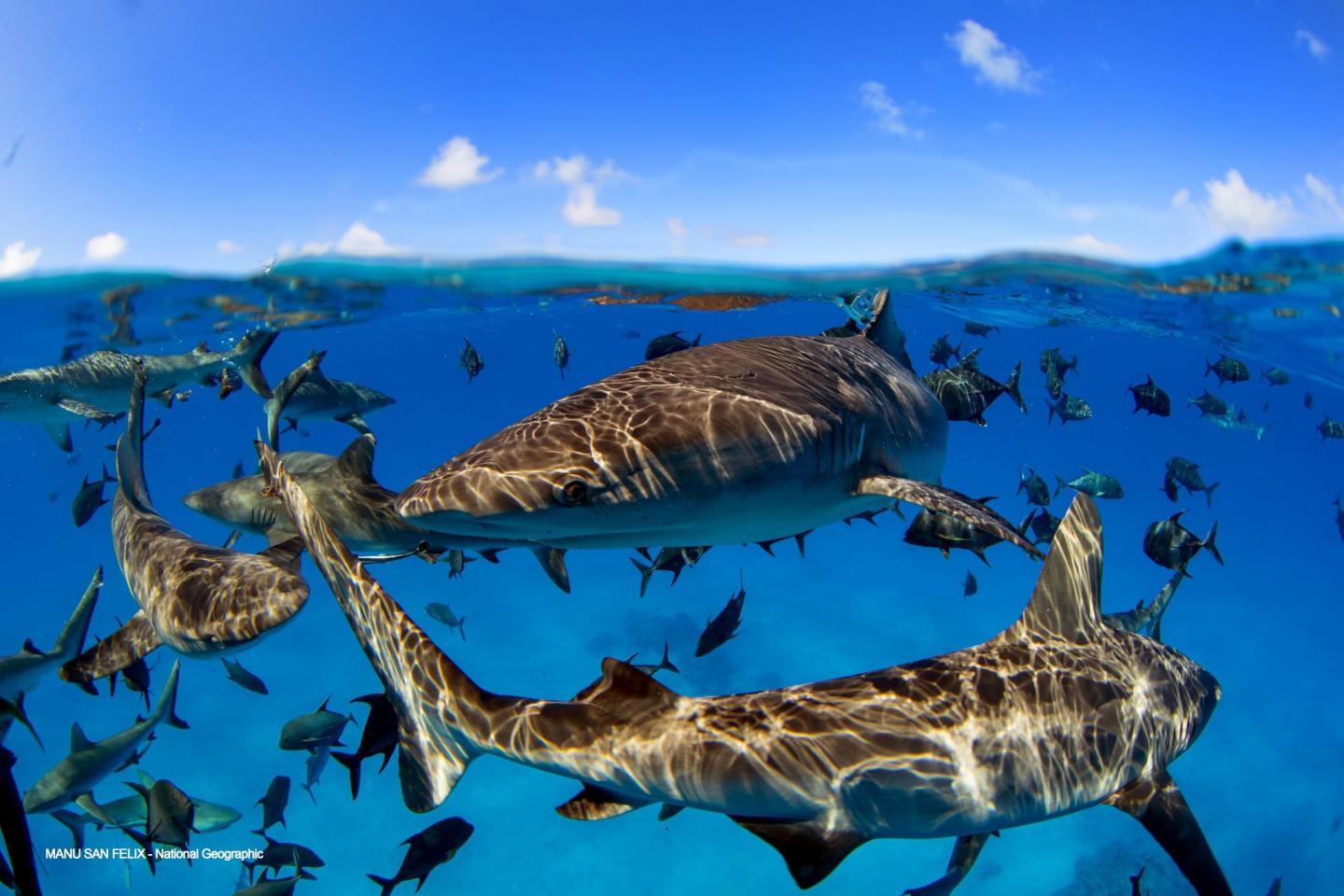
Credit: Manu San Felix, National Geographic

It’s not too late to rescue global marine life, according to a study outlining the steps needed for marine ecosystems to recover from damage by 2050.

University of Queensland scientist Professor Catherine Lovelock said the study found many components of marine ecosystems could be rebuilt if we try harder to address the causes of their decline.

“People depend on the oceans and coastal ecosystems as a source of food, livelihoods, carbon capture and, thanks to coral reefs, mangroves and other coastal ecosystems, for protection from storms,” Professor Lovelock said.

“But people are having enormous impacts globally and it’s time to do what we must to ensure our oceans are healthy and vibrant for generations to come.”

The research revealed many examples of recovery of marine populations, habitats and ecosystems following conservation interventions.

“Despite humanity having greatly distorted our oceans, recent interventions have led to a number of remarkable success stories,” Professor Lovelock said.

“The world has come together before to implement moratoriums on whaling, create a Law of the Sea, prevent pollution from ships, and limit industrialised fishing – all with positive outcomes.

“For the sake of our oceans, let’s go further.

“The main issue we need to tackle is climate change and we can only rebuild the abundance of the world’s marine if the most ambitious goals within the Paris Agreement are reached.”

Professor Lovelock said the benefits of strong action are myriad.

“Conserving coastal wetlands could improve food security for the millions of people who depend on them, and reduce the dangers of storm damage and flooding – saving billions of dollars,” she said.

“Mangroves, saltmarshes and seagrasses can store carbon in their soils and biomass which can help mitigate climate change.

“They provide so many benefits to coastal society that investing to rebuild them is a no-brainer.”

Professor Carlos Duarte from Saudi Arabia’s King Abdullah University of Science and Technology said the goal was not to recreate historical ecosystems.

“That’s no longer possible – rather we should improve on the status quo by re-building stocks of depleted marine populations over coming decades,” Professor Duarte said.

“The elephant in the room is climate change, especially for vulnerable ecosystems like coral reefs and kelp beds.

“There’s no one silver bullet – we have to address the root causes of ecological collapses.

“It’s not enough to reduce pollution or fishing pressure as the future of the ocean also depends on how rapidly greenhouse gas emissions are reduced.”

###

The research has been published in Nature (DOI: 10.1038/s41586-020-2146-7).

Additional images: https://www.dropbox.com/sh/ns8wxoax0e7a4tr/AAAxGESwg7FtN_7N1jsC3uZQa?dl=0

Additional video: https://youtu.be/qiPujU9SdEk

Media Contact
Professor Catherine Lovelock
[email protected]

Related Journal Article

http://dx.doi.org/10.1038/s41586-020-2146-7

Tags: BiodiversityClimate ChangeEarth ScienceEcology/EnvironmentMarine/Freshwater BiologyOceanographyPollution/RemediationPopulation Biology
Share12Tweet8Share2ShareShareShare2

Related Posts

In-Depth Analysis Reveals Advances in Multiple Sclerosis Research Models — Biology

In-Depth Analysis Reveals Advances in Multiple Sclerosis Research Models

May 18, 2026
Uncovering C. elegans Immunity via Genetic Screens — Biology

Uncovering C. elegans Immunity via Genetic Screens

May 16, 2026

Single mother must adapt swiftly — the survival of her colony depends on it

May 15, 2026

Why Are Nearly Everyone Right-Handed? It Might Be Linked to How We Learned to Walk

May 15, 2026
Please login to join discussion

POPULAR NEWS

  • Research Indicates Potential Connection Between Prenatal Medication Exposure and Elevated Autism Risk

    845 shares
    Share 338 Tweet 211
  • New Study Reveals Plants Can Detect the Sound of Rain

    731 shares
    Share 292 Tweet 182
  • Salmonella Haem Blocks Macrophages, Boosts Infection

    62 shares
    Share 25 Tweet 16
  • Breastmilk Balances E. coli and Beneficial Bacteria in Infant Gut Microbiomes

    58 shares
    Share 23 Tweet 15

About

We bring you the latest biotechnology news from best research centers and universities around the world. Check our website.

Follow us

Recent News

Landmark EORTC Study Reevaluates Role of Lymph Node Radiation in Breast Cancer Treatment

Tezepelumab Demonstrates Effective Asthma Control Across Diverse Patient Populations

New SwRI Research Challenges Evidence for Europa’s Vapor Plumes

Subscribe to Blog via Email

Enter your email address to subscribe to this blog and receive notifications of new posts by email.

Join 82 other subscribers
  • Contact Us

Bioengineer.org © Copyright 2023 All Rights Reserved.

Welcome Back!

Login to your account below

Forgotten Password?

Retrieve your password

Please enter your username or email address to reset your password.

Log In
No Result
View All Result
  • Homepages
    • Home Page 1
    • Home Page 2
  • News
  • National
  • Business
  • Health
  • Lifestyle
  • Science

Bioengineer.org © Copyright 2023 All Rights Reserved.