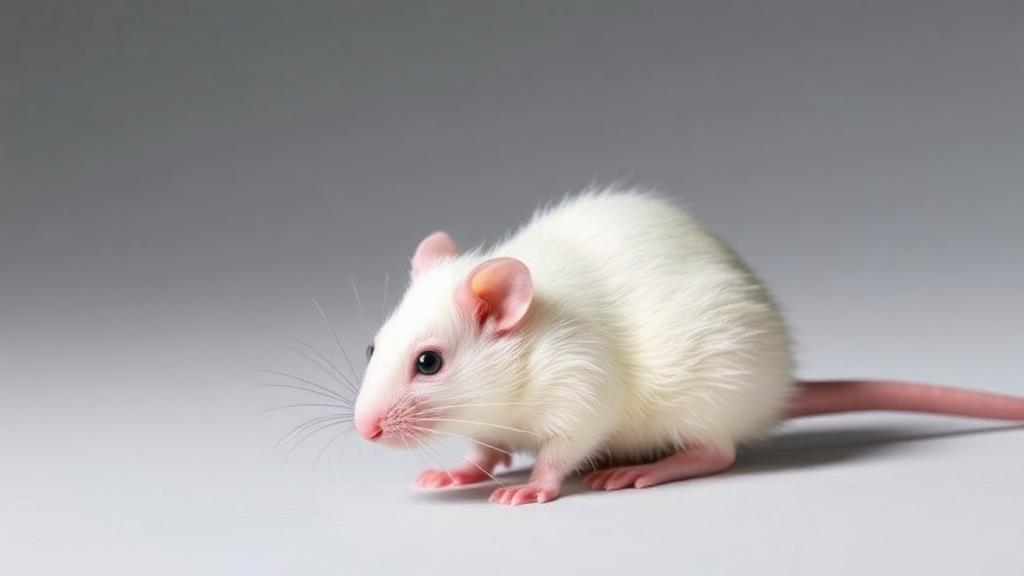
Encapsulating the antiparasitic drug nitazoxanide in chitosan nanoparticles improved its performance against experimental cryptosporidiosis in mice, according to a preclinical study published in Acta Parasitologica. In the model, the nanoparticle formulation achieved the greatest reductions in both fecal and intestinal oocyst counts compared with free nitazoxanide, blank nanoparticles, and infected untreated controls, although the improvement in survival did not reach statistical significance.
Cryptosporidiosis is a leading cause of diarrheal disease worldwide and is particularly severe in immunocompromised individuals. Nitazoxanide is the only FDA-approved therapy for the infection, but its effectiveness is limited in this vulnerable population. Chitosan nanoparticle-based delivery systems have been proposed as a way to enhance the drug’s therapeutic performance, forming the rationale for the new study.
The researchers evaluated three interventions—nitazoxanide alone, blank chitosan nanoparticles, and nitazoxanide-loaded chitosan nanoparticles—in both immunocompetent and immunosuppressed mice experimentally infected with Cryptosporidium oocysts. The study used one hundred male Swiss albino mice divided into five groups of twenty, each subdivided into immunocompetent and immunosuppressed subgroups of ten. Group A served as uninfected, untreated controls, Group B comprised infected untreated mice, and Groups C, D, and E received nitazoxanide alone, blank chitosan nanoparticles, and nitazoxanide-loaded chitosan nanoparticles, respectively. Outcomes included mortality rate, fecal and intestinal oocyst counts, and serum IgM and IgG levels measured by ELISA.
Mortality was lowest in the nitazoxanide-loaded nanoparticle group, at 10 percent in immunocompetent mice and 30 percent in immunosuppressed mice. The nanoparticle formulation achieved the greatest oocyst reductions: 73.5 percent and 67.1 percent in stool at day 20 post-infection, and 52.8 percent and 40.4 percent in intestinal contents at day 21 post-infection, in immunocompetent and immunosuppressed mice respectively, with p < 0.001.
Serum IgM and IgG levels were most substantially reduced in the nanoparticle-treated group. The authors interpret this pattern as consistent with reduced antigenic stimulation following treatment, offering correlative support for parasite clearance beyond oocyst counts alone. The conclusion states that encapsulating nitazoxanide in chitosan nanoparticles significantly reduced fecal and intestinal oocyst burden and serum IgG relative to free nitazoxanide, with a non-significant improvement in mortality, and that the formulation represents a promising preclinical nanoparticle-based therapeutic strategy for cryptosporidiosis warranting further optimization and evaluation.
As an experimental mouse study, the findings do not establish clinical efficacy in humans, and the authors position the formulation as a preclinical strategy requiring further optimization and evaluation rather than a validated treatment. The work was published as an original article in Acta Parasitologica, volume 71, article number 252, on 28 October 2026.
Subject of Research: Nanoparticle delivery of nitazoxanide for experimental cryptosporidiosis in mice
Article Title: Enhanced Antiparasitic Efficacy and Humoral Immune Modulation by Nitazoxanide-Loaded Chitosan Nanoparticles Against Experimental Cryptosporidiosis
Article References: Shehab, A. Y., Allam, A. F., Moneer, E. A., Ali, I. R. B., Salem, A. I., Mina, E. W., & Ibrahim, H. S. (2026). Enhanced Antiparasitic Efficacy and Humoral Immune Modulation by Nitazoxanide-Loaded Chitosan Nanoparticles Against Experimental Cryptosporidiosis. Acta Parasitologica, 71(6), Article 252. https://doi.org/10.1007/s11686-026-01423-w
Image Credits: AI Generated
DOI: 10.1007/s11686-026-01423-w
Keywords: cryptosporidiosis, nitazoxanide, chitosan nanoparticles, drug delivery, nanomedicine, preclinical study, Cryptosporidium, oocyst burden, humoral immunity, immunosuppressed mice, parasitology, experimental therapeutics
News Source: Drew Townsend. (October 29, 2026). Nitazoxanide Delivered in Chitosan Nanoparticles Cuts Oocyst Burden in Mice with Cryptosporidiosis. Scienmag.