• HOME
  • NEWS
  • EXPLORE
    • CAREER
      • Companies
      • Jobs
    • EVENTS
    • iGEM
      • News
      • Team
    • PHOTOS
    • VIDEO
    • WIKI
  • BLOG
  • COMMUNITY
    • FACEBOOK
    • INSTAGRAM
    • TWITTER
Thursday, June 25, 2026
BIOENGINEER.ORG
No Result
View All Result
  • Login
  • HOME
  • NEWS
  • EXPLORE
    • CAREER
      • Companies
      • Jobs
        • Lecturer
        • PhD Studentship
        • Postdoc
        • Research Assistant
    • EVENTS
    • iGEM
      • News
      • Team
    • PHOTOS
    • VIDEO
    • WIKI
  • BLOG
  • COMMUNITY
    • FACEBOOK
    • INSTAGRAM
    • TWITTER
  • HOME
  • NEWS
  • EXPLORE
    • CAREER
      • Companies
      • Jobs
        • Lecturer
        • PhD Studentship
        • Postdoc
        • Research Assistant
    • EVENTS
    • iGEM
      • News
      • Team
    • PHOTOS
    • VIDEO
    • WIKI
  • BLOG
  • COMMUNITY
    • FACEBOOK
    • INSTAGRAM
    • TWITTER
No Result
View All Result
Bioengineer.org
No Result
View All Result
Home NEWS Science News Health

New study reveals ‘silence’ around suicide in young people

Bioengineer by Bioengineer
April 15, 2019
in Health
Reading Time: 2 mins read
0
IMAGE
Share on FacebookShare on TwitterShare on LinkedinShare on RedditShare on Telegram

IMAGE

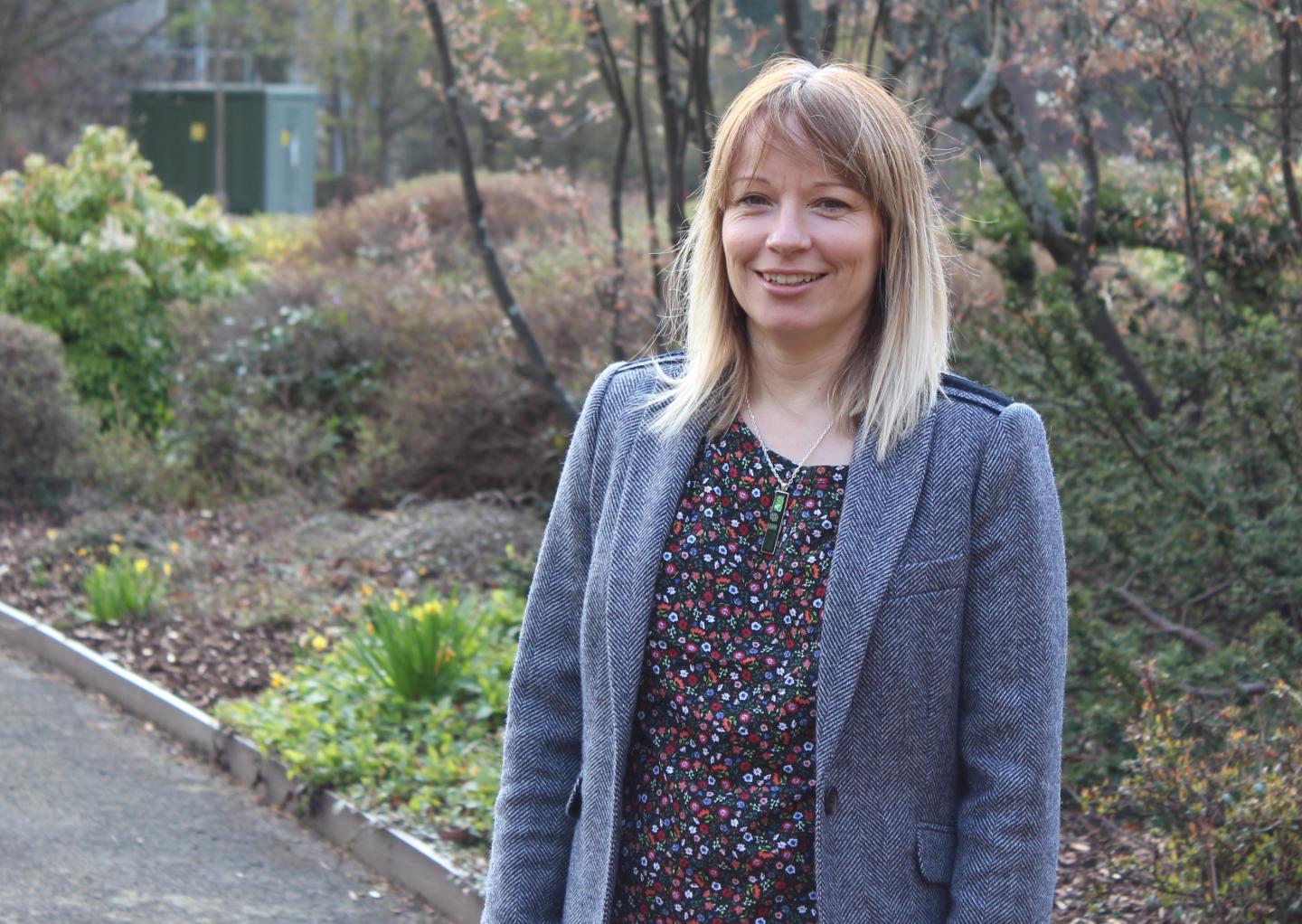
Credit: University of Stirling

Mental health professionals treating children and young people with suicidal feelings should refer to ‘suicide’ explicitly to ensure they feel listened to, according to new research.

Research led by the University of Stirling identified “a silence around suicidality” within conversations between mental health practitioners and children and young people – and within academic research reporting. The team found that use of the term ‘self-harm’ to encompass suicidal behaviours was potentially contributing to this silence, by avoiding the word ‘suicide’.

The study also suggested that children and young people with suicidal feelings typically do not know where or how to access help, and do not feel listened to by health professionals.

Lynne Gilmour, of the Nursing, Midwifery and Allied Health Professions Research Unit (NMAHP-RU) at Stirling, led the work, which also involved Professor Margaret Maxwell, Director of NMAHP-RU, and Dr Nicola Ring, Associate Professor at Edinburgh Napier University.

Ms Gilmour said: “Suicide is the second leading cause of death in young people globally, however, there is no agreed treatment model for treating those attempting or considering suicide. We need to listen to young people to be able to develop appropriate interventions.

“We synthesised the findings of four studies, conducted in three different countries, to establish common themes and concepts. We found that, in general, suicidal children and young people do not know where, or how, to access help; they cannot access help directly; and, when they do see a mental health practitioner, they often don’t feel listened to.

“We also identified a silence around suicidality within the conversations that children and young people have with mental health practitioners, and within academic research which aimed to explore young people’s views. Use of the term ‘self-harm’ to encompass suicidal behaviours potentially contributes to this science by avoiding the word ‘suicide’.”

The team used a methodology, known as meta-ethnography, which involves systematically comparing conceptual data from primary qualitative studies to identify and develop new overarching concepts, theories and models. It enables researchers to combine the findings of qualitative studies, rather than concentrating on the individual cases.

They applied meta-ethnography to four studies, conducted in three different countries since 2006, which involved 44 people aged between 11 and 24. The approach focused on suicidal children and young people’s experiences of mental health services.

Ms Gilmour added: “The development of treatment models and interventions to support this vulnerable population must be informed by the views and experiences of suicidal children and young people.

“Our research will help inform the development of such models, provide vital information to those practitioners who support this vulnerable population, and act as a foundation for any future research on this topic.”

###

The paper, Review: The views and experiences of suicidal children and young people of mental health support services: a meta?ethnography, is published in Child and Adolescent Mental Health.

Ms Gilmour is a PhD researcher, funded by the Economic and Social Research Council.

Media Contact
Greg Christison
[email protected]

Related Journal Article

http://dx.doi.org/10.1111/camh.12328

Tags: CounselingDeath/DyingDecision-making/Problem SolvingDepression/AngerHealth Care Systems/ServicesHealth ProfessionalsMedicine/HealthMental HealthParenting/Child Care/FamilyStress/Anxiety
Share12Tweet8Share2ShareShareShare2

Related Posts

Chiral Laser Gyroscopes Surpass Lock-In Limit

June 25, 2026

Boosting Genomic Equity: Africa’s National Genome Projects

June 25, 2026

Landmark UCLA Health Study Reveals Successful One-Year Outcomes After First-Ever Bladder Transplant

June 25, 2026

GW250114 Uncovers Post-Merger Black Hole Clues

June 25, 2026
Please login to join discussion

POPULAR NEWS

  • Saying Goodbye to PGY-6: Pediatric Fellowship Realities

    103 shares
    Share 41 Tweet 26
  • Multi-Hospital Study Reveals Long Covid Burden Is Twice as High as Current Estimates

    92 shares
    Share 36 Tweet 23
  • Detection of EDCs in Breast Milk and Infant Urine Up to Six Months Highlights Early Exposure Risks

    77 shares
    Share 31 Tweet 19
  • New Drug Candidate Developed at McMaster Shows Potential for Treating Brain Cancer

    58 shares
    Share 23 Tweet 15

About

We bring you the latest biotechnology news from best research centers and universities around the world. Check our website.

Follow us

Recent News

Energy-Saving Membrane Technology Developed by KAIST and Georgia Tech Enables Crude Oil Separation Without Boiling

Cracking the Code: How Cancer Evades Antibody-Drug Conjugates and New Strategies to Overcome Resistance

Chiral Laser Gyroscopes Surpass Lock-In Limit

Subscribe to Blog via Email

Enter your email address to subscribe to this blog and receive notifications of new posts by email.

Join 82 other subscribers
  • Contact Us

Bioengineer.org © Copyright 2023 All Rights Reserved.

Welcome Back!

Login to your account below

Forgotten Password?

Retrieve your password

Please enter your username or email address to reset your password.

Log In
No Result
View All Result
  • Homepages
    • Home Page 1
    • Home Page 2
  • News
  • National
  • Business
  • Health
  • Lifestyle
  • Science

Bioengineer.org © Copyright 2023 All Rights Reserved.