• HOME
  • NEWS
  • EXPLORE
    • CAREER
      • Companies
      • Jobs
    • EVENTS
    • iGEM
      • News
      • Team
    • PHOTOS
    • VIDEO
    • WIKI
  • BLOG
  • COMMUNITY
    • FACEBOOK
    • INSTAGRAM
    • TWITTER
Monday, May 11, 2026
BIOENGINEER.ORG
No Result
View All Result
  • Login
  • HOME
  • NEWS
  • EXPLORE
    • CAREER
      • Companies
      • Jobs
        • Lecturer
        • PhD Studentship
        • Postdoc
        • Research Assistant
    • EVENTS
    • iGEM
      • News
      • Team
    • PHOTOS
    • VIDEO
    • WIKI
  • BLOG
  • COMMUNITY
    • FACEBOOK
    • INSTAGRAM
    • TWITTER
  • HOME
  • NEWS
  • EXPLORE
    • CAREER
      • Companies
      • Jobs
        • Lecturer
        • PhD Studentship
        • Postdoc
        • Research Assistant
    • EVENTS
    • iGEM
      • News
      • Team
    • PHOTOS
    • VIDEO
    • WIKI
  • BLOG
  • COMMUNITY
    • FACEBOOK
    • INSTAGRAM
    • TWITTER
No Result
View All Result
Bioengineer.org
No Result
View All Result
Home NEWS Science News Health

Nearing a treatment for farsightedness

Bioengineer by Bioengineer
October 6, 2020
in Health
Reading Time: 2 mins read
0
IMAGE
Share on FacebookShare on TwitterShare on LinkedinShare on RedditShare on Telegram

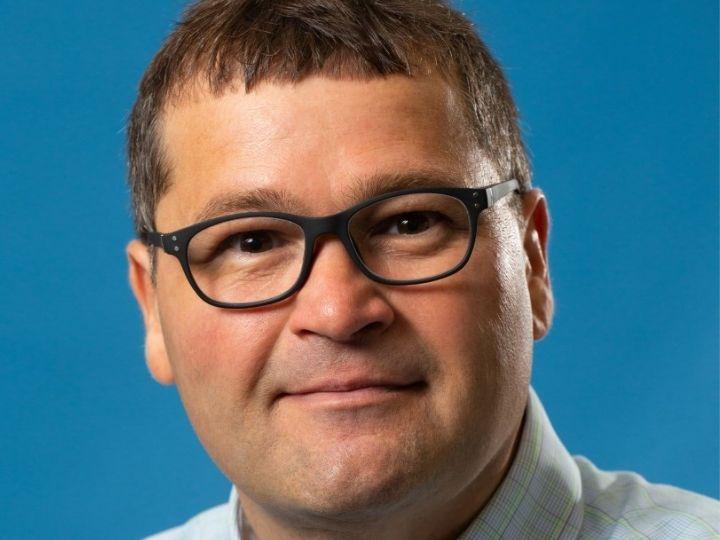
UH professor developing new technology to detect lens elasticity
IMAGE

Credit: University of Houston

A University of Houston biomedical researcher is developing new technology that will measure the stiffness of the lens in the eye, which is likely associated with presbyopia, or farsightedness, the inevitable and age-related loss of the ability to focus on nearby objects.

Presbyopia – which eventually impacts every human being – is linked to a stiffening of the crystalline lens. There are currently several investigational approaches for presbyopia treatment that rely on lens softening or lens replacement with softer materials. Drug-associated lens softening approaches are expected to have a transformative impact on the field because they are non-invasive and they preserve the anatomical relationship between the lens and other tissues involved in focusing, but there is a significant roadblock to developing these procedures.

“There is currently no method available to directly measure lens stiffness and thus assess the efficacy of lens softening procedures in vivo,” said Kirill Larin, professor of biomedical engineering. The National Eye Institute has awarded Larin $3 million to create a new technology capable of precise noninvasive and depth-resolved quantitative measurements of the lens mechanical properties in a clinical setting.

The technology will combine Brillouin microscopy, Optical Coherence Tomography (OCT) and Optical Coherence Elastography (OCE) – a new combination to be called BOE. The instrument will be used to generate the first age-dependent data on lens mechanical properties quantified in vivo as well as quantitatively assess therapeutic procedures aimed to restore the ability to focus.

“Our novel BOE technology can acquire absolute measurements of the lens stiffness gradient with the accuracy and precision required to detect both age-related changes and changes induced by lens softening treatments,” said Larin.

“The ability to quantify lens softening in vivo will have a major impact on preclinical and clinical testing, validation and optimization of lens softening procedures.”

Larin has assembled a multidisciplinary team with expertise in optical coherence tomography and elastography, Brillouin technology, biomechanical modeling, clinical ophthalmic instrumentation and crystalline lens physiology. The team includes Fabrice Manns, University of Miami; Giuliano Scarcelli, University of Maryland; and, Salavat Aglyamov, research assistant professor of mechanical engineering at UH.

###

Media Contact
Laurie Fickman
[email protected]

Original Source

https://uh.edu/news-events/stories/2020/october-2020/10052020-kirill-larin-3m-farsightedness-presbyopia.php

Tags: BiologyBiomechanics/BiophysicsBiomedical/Environmental/Chemical EngineeringBiotechnologyCell BiologyMedicine/HealthMicrobiologyOpticsPharmaceutical Sciences
Share12Tweet8Share2ShareShareShare2

Related Posts

Medicaid Expansion Reduces Mortality in Young Adults with Kidney Failure

May 11, 2026

CRISPR Technology Shows Promise in Inhibiting Hepatitis E Virus

May 11, 2026

Mapping Ocular Bioenergetics: Insights into TCA Cycle Intermediates and Gender Differences in Eye Tissues

May 11, 2026

Telemedicine Does Not Drive Higher Medical Utilization or Health Care Costs, Study Finds

May 11, 2026
Please login to join discussion

POPULAR NEWS

  • Research Indicates Potential Connection Between Prenatal Medication Exposure and Elevated Autism Risk

    841 shares
    Share 336 Tweet 210
  • New Study Reveals Plants Can Detect the Sound of Rain

    728 shares
    Share 290 Tweet 182
  • Salmonella Haem Blocks Macrophages, Boosts Infection

    62 shares
    Share 25 Tweet 16
  • Breastmilk Balances E. coli and Beneficial Bacteria in Infant Gut Microbiomes

    57 shares
    Share 23 Tweet 14

About

We bring you the latest biotechnology news from best research centers and universities around the world. Check our website.

Follow us

Recent News

Humans and Zebra Finches Share Similar Speech Learning Techniques #ASA190

New Study Uncovers How Fungal Parasites Attack Strawberries and Raspberries

City of Hope Researchers to Present Groundbreaking Immunotherapy and Precision Medicine Advances Across Multiple Cancer Types at ASCO 2026

Subscribe to Blog via Email

Enter your email address to subscribe to this blog and receive notifications of new posts by email.

Join 82 other subscribers
  • Contact Us

Bioengineer.org © Copyright 2023 All Rights Reserved.

Welcome Back!

Login to your account below

Forgotten Password?

Retrieve your password

Please enter your username or email address to reset your password.

Log In
No Result
View All Result
  • Homepages
    • Home Page 1
    • Home Page 2
  • News
  • National
  • Business
  • Health
  • Lifestyle
  • Science

Bioengineer.org © Copyright 2023 All Rights Reserved.