• HOME
  • NEWS
  • EXPLORE
    • CAREER
      • Companies
      • Jobs
    • EVENTS
    • iGEM
      • News
      • Team
    • PHOTOS
    • VIDEO
    • WIKI
  • BLOG
  • COMMUNITY
    • FACEBOOK
    • INSTAGRAM
    • TWITTER
Wednesday, November 11, 2026
BIOENGINEER.ORG
No Result
View All Result
  • Login
  • HOME
  • NEWS
  • EXPLORE
    • CAREER
      • Companies
      • Jobs
        • Lecturer
        • PhD Studentship
        • Postdoc
        • Research Assistant
    • EVENTS
    • iGEM
      • News
      • Team
    • PHOTOS
    • VIDEO
    • WIKI
  • BLOG
  • COMMUNITY
    • FACEBOOK
    • INSTAGRAM
    • TWITTER
No Result
View All Result
Bioengineer.org
No Result
View All Result
Home NEWS Science News Health

Microglia Dynamically Shift Functional States Rather Than Following Rigid Programs, Review Finds

by
November 11, 2026
in Biology, Health
Reading Time: 2 mins read
0
Microglia Dynamically Shift Functional States Rather Than Following Rigid Programs, Review Finds

Microglia Dynamically Shift Functional States Rather Than Following Rigid Programs, Review Finds

Share on FacebookShare on TwitterShare on LinkedinShare on RedditShare on Telegram

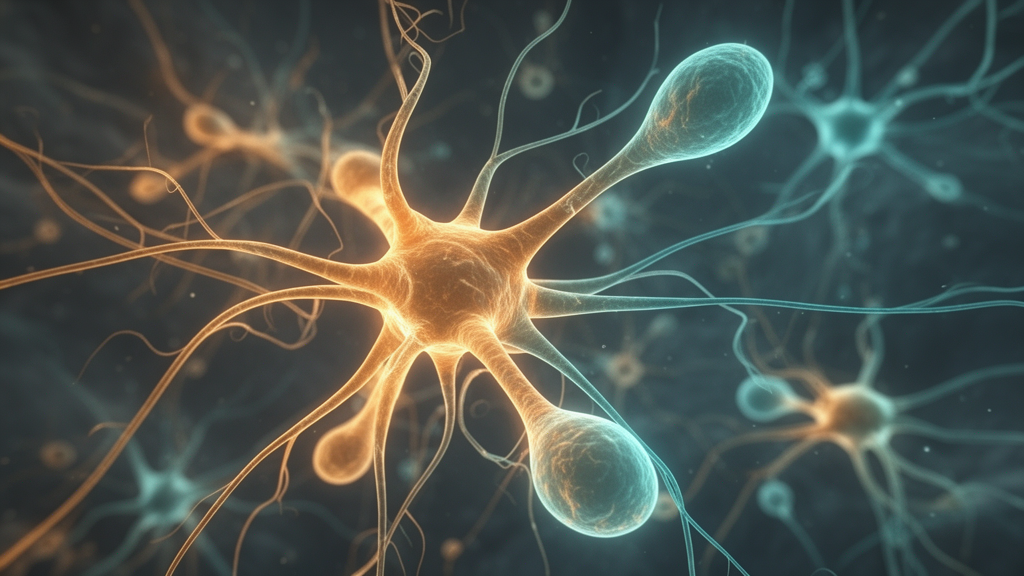
Microglia in the central nervous system function as highly plastic, tissue-resident macrophages whose functional states adapt continuously to environmental, developmental, and pathological cues rather than executing predetermined genetic programs, according to a review published in Cellular and Molecular Neurobiology. Authors Shunqi Wang, Yao Wang, Chunyang Hou, Yu Zhang, Chong Sun, and Chaolin Ma synthesize evidence demonstrating that microglial phenotypes emerge from the continuous integration of developmental origin, regional niche, metabolic status, neuronal activity, and local environmental signals.

During early brain development, the review details how microglia actively contribute to neural circuit refinement. These resident immune cells eliminate apoptotic cells and extraneous synapses through activity-dependent phagocytosis.

In the mature central nervous system, microglia transition into a continuous surveillance role to preserve tissue integrity. The cells continuously monitor their surroundings, maintain synaptic homeostasis, and mount rapid responses to local tissue perturbances. Rather than progressing through fixed activation pathways, the cells dynamically transition among homeostatic and adaptive states in response to ongoing physiological demands.

When the spatiotemporal coordination of these state transitions is disrupted, microglia can be redirected toward maladaptive phenotypes. The review notes that perturbations such as ageing, metabolic dysregulation, and chronic disease undermine coordinated regulation. Under these conditions, maladaptive microglial states emerge, characterized by persistent chronic neuroinflammation, impaired phagocytosis, metabolic dysfunction, and neuronal damage.

The authors explain that recent progress across single-cell transcriptomics, spatial biology, and systems neuroscience has reshaped the understanding of microglial diversity. These analytical approaches reveal how developmental programming, spatial niche-derived signals, temporal regulation, and metabolic adaptation collectively govern microglial behaviors across healthy and diseased brain tissue.

Building on these mechanistic insights, the review evaluates emerging therapeutic strategies focused on context-dependent modulation to restore physiologically coordinated microglial dynamics. Such precision approaches target signaling pathways, immunometabolism, epigenetic programs, and tissue-specific regulatory networks, while the authors emphasize that key challenges and unanswered questions remain before clinical microglial therapies can be realized.

Subject of Research: Dynamic regulation of microglial functional states in central nervous system health and disease

Article Title: Microglial Dual Nature in Maintaining Spatiotemporal Homeostasis

Article References: Wang, S., Wang, Y., Hou, C., Zhang, Y., Sun, C., & Ma, C. (2026). Microglial Dual Nature in Maintaining Spatiotemporal Homeostasis. Cellular and Molecular Neurobiology. https://doi.org/10.1007/s10571-026-01778-8

Image Credits: AI Generated

DOI: 10.1007/s10571-026-01778-8

Keywords: microglia, central nervous system, tissue-resident macrophages, spatiotemporal homeostasis, synaptic homeostasis, phagocytosis, neural circuit refinement, apoptotic cells, chronic neuroinflammation, neurodegeneration, single-cell transcriptomics, spatial biology, systems neuroscience, immunometabolism, epigenetic programs, metabolic adaptation, precision microglial therapies

News Source: Cassandra Pierce. (November 11, 2026). Microglia Dynamically Shift Functional States Rather Than Following Rigid Programs, Review Finds. Scienmag.


Tags: apoptotic cellscentral nervous systemchronic neuroinflammationepigenetic programsimmunometabolismmetabolic adaptationmicroglianeural circuit refinementneurodegenerationphagocytosisprecision microglial therapiessingle-cell transcriptomicsspatial biologyspatiotemporal homeostasissynaptic homeostasissystems neurosciencetissue-resident macrophages
Share12Tweet7Share2ShareShareShare1

Related Posts

Postnatal HOXA5 Loss Increases Stereotypies in Mice

Postnatal HOXA5 Loss Increases Stereotypies in Mice

November 11, 2026
Enlarged Splenic Volume Predicts Reduced Survival in Diffuse Large B-Cell Lymphoma

Enlarged Splenic Volume Predicts Reduced Survival in Diffuse Large B-Cell Lymphoma

November 11, 2026

Early Response to Broadband Light Predicts Facial Vascular Treatment Success in Study

November 11, 2026

Tuberculosis-Exposed South African Children Face Measles Gaps and Routine Vaccination Delays

November 11, 2026

POPULAR NEWS

  • Metagenomic Sequencing Identifies Pathogens in 40.6 Percent of Suspected CNS Infections

    Metagenomic Sequencing Identifies Pathogens in 40.6 Percent of Suspected CNS Infections

    29 shares
    Share 12 Tweet 7
  • AI Models Show Promise in Detecting Early Eating Disorders

    29 shares
    Share 12 Tweet 7
  • Pediatric cytomegalovirus retinitis may follow distinct trajectory after stem cell transplantation

    29 shares
    Share 12 Tweet 7
  • German Midwifery Educators Navigate Evidence-Based Practice Shift Across University Programmes

    29 shares
    Share 12 Tweet 7

About

We bring you the latest biotechnology news from best research centers and universities around the world. Check our website.

Follow us

Recent News

Edge AI and Physiological Sensors Enable Cloud-Free Multimodal Stress Monitoring

Postnatal HOXA5 Loss Increases Stereotypies in Mice

Green Solvent Membrane Removes 99.5% of Toxic Dye

Subscribe to Blog via Email

Enter your email address to subscribe to this blog and receive notifications of new posts by email.

Join 87 other subscribers
  • Contact Us

Bioengineer.org © Copyright 2023 All Rights Reserved.

Welcome Back!

Login to your account below

Forgotten Password?

Retrieve your password

Please enter your username or email address to reset your password.

Log In
No Result
View All Result
  • Homepages
    • Home Page 1
    • Home Page 2
  • News
  • National
  • Business
  • Health
  • Lifestyle
  • Science

Bioengineer.org © Copyright 2023 All Rights Reserved.