Refractory wounds represent an escalating clinical and socioeconomic challenge across modern healthcare systems, persisting through failed physiological healing cycles and frequently recurring after temporary closure. Epidemiological analyses across observational cohorts identify a pooled chronic wound prevalence of 2.21 per 1,000 individuals globally, with broader estimates in developed countries indicating that nonhealing wounds affect between 1% and 2% of the general population and reach 15% among United States Medicare beneficiaries. In clinical practice, these lesions encompass diabetic foot ulcers, venous leg ulcers, pressure injuries, and ischemic wounds that fail to respond adequately to conventional standard care. A comprehensive review published in Frontiers in Bioengineering and Biotechnology systematically evaluates the pathophysiological mechanisms governing refractory nonhealing states and examines how mesenchymal stem cells, also known as mesenchymal stromal cells, reshape hostile microenvironments to facilitate tissue repair. To establish a standardized benchmark, clinical researchers operationally define refractory wounds as skin defects failing to exhibit objective healing progression after four weeks of continuous standard care and etiological management, conventionally measured as wound area reductions below 40% to 50% at the four-week milestone.
Under normal physiological circumstances, cutaneous wound healing advances sequentially through four coordinated phases comprising hemostasis, acute inflammation, cellular proliferation, and extracellular matrix remodeling. In refractory wounds, however, this organized sequence experiences prolonged pathological stagnation, remaining trapped within a self-perpetuating inflammatory stage that prevents progression into tissue proliferation. Central to this pathological arrest is a profound imbalance in macrophage polarization. During healthy healing transitions, early pro-inflammatory M1 macrophages clear bacterial invaders and necrotic cellular debris before shifting into anti-inflammatory M2 phenotypes that synthesize reparative growth factors and orchestrate tissue reconstruction. Refractory wounds fail to execute this phenotypic switch, leaving sustained populations of M1 macrophages that continually secrete inflammatory mediators. Concurrently, excessive infiltration of neutrophils exacerbates tissue damage through the unregulated release of destructive proteases and reactive oxygen species. Rather than functioning as a temporary defense mechanism, protracted leukocyte recruitment degrades healthy host tissue, sustains inflammatory signaling networks, and impairs the cellular migration necessary for structural restoration.
Microbial pathology further compounds microenvironmental arrest in chronic nonhealing wounds through persistent microbial colonization and robust biofilm architecture. Unlike free-floating planktonic bacteria, microorganisms within refractory wounds reside within dense extracellular polymeric substance matrices that firmly adhere to tissue surfaces and penetrate deeply into underlying wound beds. This protective barrier severely restricts the penetration of topical and systemic antimicrobial agents, fostering antimicrobial tolerance and generating persistent drug resistance. Beyond physical shielding, biofilms actively disrupt host immune defenses through the targeted secretion of specific virulence factors; for example, alpha-hemolysin forms membrane pores that lyse host immune cells, while rhamnolipids selectively trigger neutrophil necrosis. Continuous antigenic stimulation from embedded bacteria drives relentless recruitment of neutrophils and macrophages, generating excessive levels of tumor necrosis factor-alpha, interleukin-6, and reactive oxygen species. Furthermore, biofilm-induced inflammation upregulates host matrix metalloproteinase production and elevates local neutrophil elastase concentrations, which enzymatically degrade critical endogenous growth factors including platelet-derived growth factor, epidermal growth factor, vascular endothelial growth factor, and keratinocyte growth factor.
Underlying vascular dysfunction and persistent tissue hypoxia represent additional shared drivers across diverse chronic wound etiologies. In diabetic ulcers, chronic hyperglycemia promotes the synthesis of advanced glycation end products and intensifies oxidative stress, inducing endothelial dysfunction and reducing nitric oxide bioavailability, which impairs vasodilatory capacity and capillary perfusion. Concomitant peripheral sensory neuropathy eliminates protective sensation, while motor neuropathy induces muscle atrophy and abnormal mechanical loading across the foot. In venous leg ulcers, valvular incompetence and deep vein thrombosis elevate ambulatory venous pressure, transmitting sustained hypertension to distal microcirculatory beds and activating circulating leukocytes. Pressure injuries originate when external compression exceeds the physiological capillary closing threshold of approximately 32 millimeters of mercury, causing severe focal ischemia followed by damaging reperfusion bursts that generate cytotoxic hydroxyl radicals. Similarly, radiation-damaged skin exhibits microvascular obliteration alongside dose-dependent transforming growth factor-beta overexpression that drives myofibroblast differentiation and pathological fibrosis. Despite varied originating triggers, these conditions consistently impair the hypoxia-inducible factor-1alpha signaling pathway, preventing downstream vascular endothelial growth factor upregulation and halting restorative capillary neovascularization.
Mesenchymal stem cells obtained from bone marrow, adipose tissue, umbilical cord matrix, or dental pulp display multifaceted therapeutic capabilities capable of altering these pathological environments. Mesenchymal stem cells release a complex secretome rich in cytokines, angiogenic growth factors, chemokines, and membrane-bound extracellular vesicles that alter surrounding cell behaviors. Crucially, their biological profile is not fixed but actively changes in response to local microenvironmental cues. Exposure to pro-inflammatory signals such as interferon-gamma, tumor necrosis factor-alpha, or bacterial lipopolysaccharide dynamically triggers the upregulation of potent immunomodulatory effectors, including prostaglandin E2, indoleamine 2,3-dioxygenase, cyclooxygenase-2, and tumor necrosis factor-inducible gene 6 protein. Nevertheless, researchers emphasize that mesenchymal stem cells are not completely immune-privileged; exposure to interferon-gamma upregulates major histocompatibility complex class I and class II molecules on donor cells, demonstrating that heightened immunosuppressive potency simultaneously elevates the risk of allogeneic host immune recognition.
Through these responsive paracrine cascades, mesenchymal stem cells actively modulate both innate and adaptive immune cell populations within chronic wound environments. In neutrophil biology, extracellular vesicles harvested from hypoxia-preconditioned adipose-derived stem cells reduce excessive neutrophil extracellular trap formation, protecting delicate capillary beds and dermal fibroblasts from proteolytic injury. Similarly, apoptotic bodies released from hypoxia-treated bone marrow stem cells deliver microRNA-125b-5p to neutrophils, successfully reversing endotoxin-induced delays in programmed cell death to facilitate inflammatory clearance. In macrophage networks, mesenchymal stem cell secretomes downregulate tumor necrosis factor-alpha and interleukin-1beta release while accelerating efferocytosis. MicroRNAs encapsulated within stem cell extracellular vesicles—including microRNA-16-5p, microRNA-1291, microRNA-223-3p, microRNA-24-3p, and microRNA-146a-5p—suppress hyperactive inflammatory signaling via nuclear factor kappa B, STAT3, and STING molecular cascades.
Reestablishing functional vascular perfusion is essential for clinical wound closure, as newly generated capillary networks supply oxygen, transport systemic nutrients, and support cellular migration across developing granulation tissue. Mesenchymal stem cells directly stimulate angiogenesis by secreting high concentrations of vascular endothelial growth factor, hepatocyte growth factor, platelet-derived growth factor, and stromal cell-derived factor-1. Furthermore, stem cell extracellular vesicles protect fragile regulatory microRNAs from enzymatic degradation, delivering them intact into target endothelial cells. Mesenchymal stem cells also activate complementary vascular remodeling programs through the extracellular signal-regulated kinase and mitogen-activated protein kinase pathways, alongside canonical and noncanonical Wnt signaling mechanisms. Concurrently, stem cell secretomes promote re-epithelialization by stimulating basal keratinocyte and dermal fibroblast migration, while restoring extracellular matrix homeostasis by rebalancing matrix metalloproteinase activities, selectively upregulating matrix metalloproteinase-2 while suppressing destructive matrix metalloproteinases-3 and 9.
Complementing their structural and vascular activities, mesenchymal stem cells exert notable direct and indirect antimicrobial effects across colonized wound margins. Stem cells directly synthesize and release endogenous antimicrobial peptides, including cathelicidin LL-37, beta-defensin-2, hepcidin, and lipocalin. Among these, LL-37 is markedly upregulated following direct contact with bacterial biofilms, where it disrupts pathogen cell membranes and functions synergistically with conventional antibiotic regimens to eliminate resistant bacterial strains. Indirectly, stem cell paracrine signaling stimulates host macrophage phagocytosis and augments intracellular bacterial clearance through enhanced microtubule-associated protein light chain 3-associated phagocytosis. Clinical experts caution, however, that these biological antimicrobial contributions are supportive rather than curative; stem cell applications must serve as an adjunct to meticulous surgical debridement and targeted antimicrobial therapies rather than an autonomous replacement for standard clinical infection control protocols.
Comparative biological analyses demonstrate that mesenchymal stem cells derived from differing anatomical origins exhibit distinct functional profiles that influence their translational suitability. Adipose-derived stem cells are easily harvested through minimally invasive lipoaspiration and yield high cellular volumes suitable for autologous application; experimentally, they demonstrate robust pro-angiogenic activity, soft-tissue regeneration, and extracellular matrix remodeling, though their functional potency can be compromised by donor obesity, advanced age, or diabetes. Bone marrow-derived stem cells possess extensive mechanistic validation and retain superior osteogenic differentiation capacity, rendering them uniquely appropriate for deep, complex wounds involving exposed periosteum or osseous destruction, though isolation requires painful marrow aspiration and donor aging reduces cellular proliferation. Umbilical cord and Wharton’s jelly stem cells represent non-invasive perinatal tissues obtained from discarded obstetric waste; they display rapid in vitro proliferation, robust chemokine secretion, and low baseline major histocompatibility complex class II expression, making them attractive candidates for allogeneic, off-the-shelf therapeutic formulations. Dental pulp stem cells exhibit distinctive neuroprotective and neurite outgrowth properties, providing theoretical utility for neurotrophic wounds accompanied by sensory neuropathy, though cutaneous healing evidence remains largely preliminary.
Clinical investigation of mesenchymal stem cell therapies has expanded considerably, with investigators systematically evaluating 31 eligible clinical trials selected from 1,656 screened records published between 2011 and 2026. In diabetic foot ulcer cohorts, randomized investigations demonstrated that local and intramuscular bone marrow stem cell administration significantly accelerated six-week wound closure and reduced nine-month limb amputation risks compared to controls. However, trialists caution that small participant cohorts, inconsistent dosing metrics, heterogeneous delivery routes, and short post-treatment follow-up intervals currently preclude definitive long-term assessments regarding rare ectopic differentiation, oncogenic risks, or secondary immune sensitization.
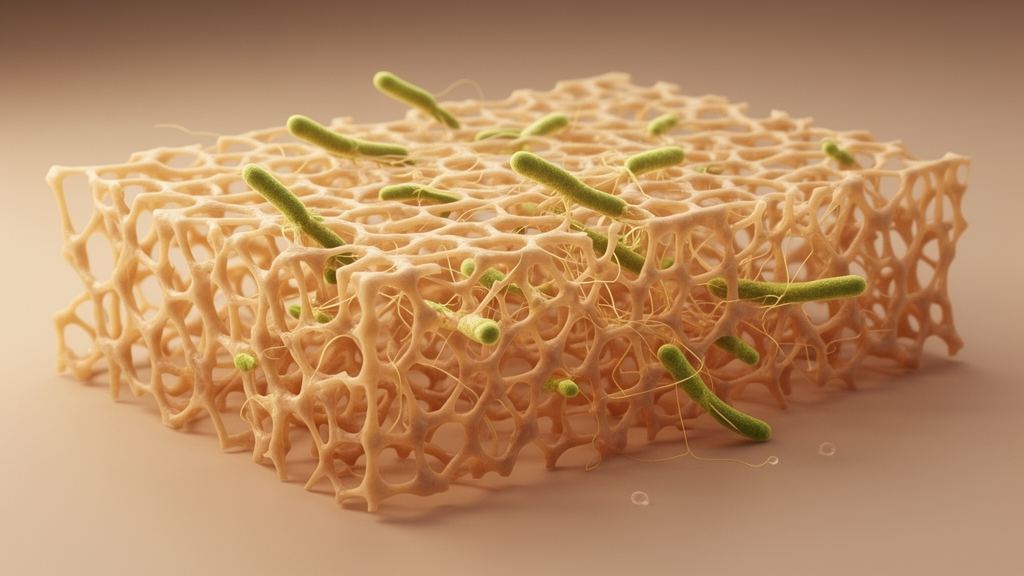
To overcome the rapid clearance and low physical retention that plague direct cell suspensions applied to hostile chronic wounds, bioengineering approaches increasingly combine mesenchymal stem cells or their cell-free secretome with advanced biomaterial scaffolds. Natural polymers such as hyaluronic acid, alginate, gelatin, and chitosan offer superior cytocompatibility and intrinsic biological recognition, whereas synthetic matrices like polyethylene glycol and poly(lactic-co-glycolic acid) provide precise mechanical stability and predictable degradation rates. Hydrogels engineered with stimuli-responsive linkages enable spatiotemporally controlled release: elevated alkaline pH triggers cargo delivery, high reactive oxygen species concentrations cleave thioketal linkers to release therapeutic vesicles while scavenging cytotoxic radicals, and matrix metalloproteinase-cleavable peptides trigger degradation in response to local protease activity. Realizing clinical translation, however, requires rigorous quality control across every manufacturing stage. Standardized chemistry, manufacturing, and control frameworks mandate thorough donor screening, cell viability standards exceeding 80%, validated identity immunophenotyping, rigorous pathogen clearance testing, and quantitative potency assays measuring functional vascular endothelial growth factor release or in vitro endothelial tube formation. As regulatory guidelines and scalable manufacturing protocols mature, these combined biomaterial-cellular platforms promise to transition chronic wound management from empirical dressings toward targeted, biologically active tissue restoration.
Subject of Research: Mesenchymal stem cell mechanisms, clinical trial evidence, and delivery platforms in refractory wound repair
Article Title: Research progress of mesenchymal stem cells in the treatment of refractory wounds
Article References: Sun, W., Yuan, S., Li, J., Wu, S., Jin, Z., Huo, F., Yang, C., & Tian, W. (2026). Research progress of mesenchymal stem cells in the treatment of refractory wounds. Frontiers in Bioengineering and Biotechnology, 14, Article 1916836. https://doi.org/10.3389/fbioe.2026.1916836
Image Credits: AI Generated
DOI: 10.3389/fbioe.2026.1916836
Keywords: mesenchymal stem cells, refractory wounds, diabetic foot ulcers, wound healing, extracellular vesicles, angiogenesis, macrophage polarization, tissue regeneration, chronic limb-threatening ischemia, venous leg ulcers, hydrogels, biomaterials, immunomodulation, clinical translation, matrix metalloproteinases, perianal fistulas, regenerative medicine
News Source: Drew Townsend. (November 23, 2026). Mesenchymal Stem Cell Therapies Show Regenerative Potential for Complex Refractory Wounds. Scienmag.