UQ engineers create tougher, water-absorbing bioplastic hydrogel
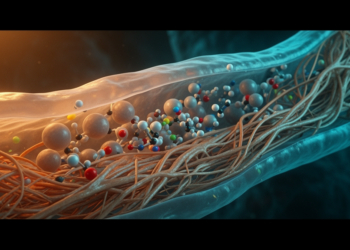
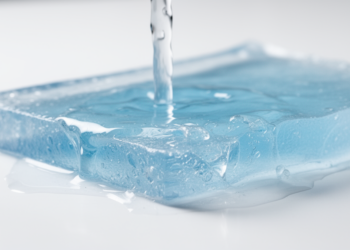
University of Queensland engineers have created a tougher, water-absorbing bioplastic hydrogel with potential applications in surgical settings and drug delivery.
University of Queensland engineers have created a tougher, water-absorbing bioplastic hydrogel with potential applications in surgical settings and drug delivery.
A comprehensive review examines the synthesis, functionalization, and biomedical applications of electrospun keratin nanofibers in skin, bone, neural, and cardiac ...
A powder-metallurgy study demonstrates that systematic additions of copper and zinc optimize phase formation, corrosion resistance, wear performance, and in-vitro ...
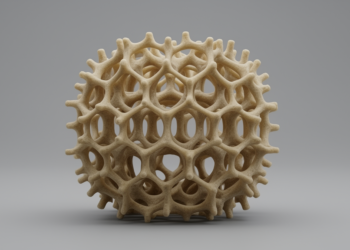
A 3D-printed polycaprolactone scaffold eluting quercetin suppressed renal carcinoma tumor growth while promoting bone regeneration across cellular and animal models.
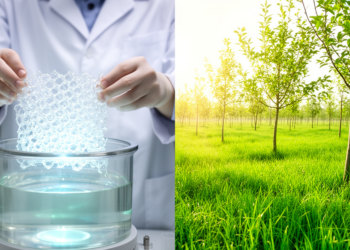
A comprehensive scientific review outlines how emerging biomaterials and tissue engineering technologies advance regenerative healthcare while aligning with United Nations ...
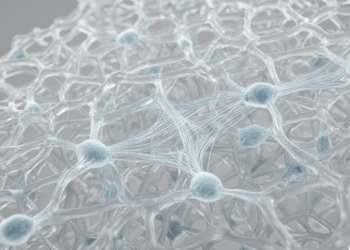
A comprehensive scientific review outlines how mechanobiology-instructed biomaterials can regulate cellular mechanotransduction pathways and whole-joint mechanical environments to target osteoarthritis ...
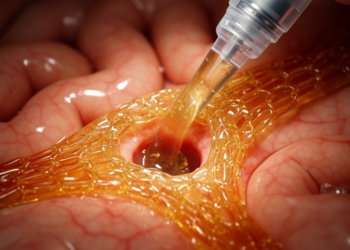
Researchers have developed a slug-inspired thermoresponsive hydrogel that rapidly solidifies inside the body to seal gastrointestinal fistulas in animal models.
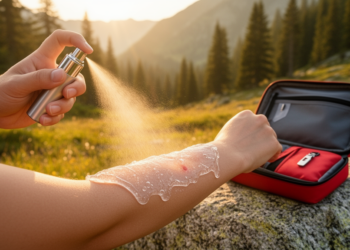
Scientists have developed a boilable, sprayable supramolecular hydrogel combining nucleosides, salmon DNA fragments, and recombinant collagen that rapidly seals wounds ...
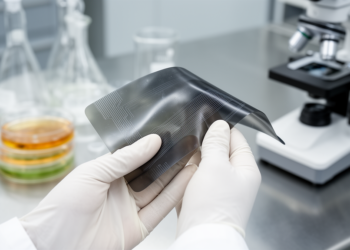
A review in Advanced Composites and Hybrid Materials outlines how conductive polymer composites overcome single-component limitations across tissue engineering, biosensing, ...
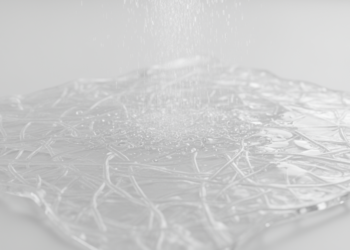
A new spray-applied crosslinking method enhances the mechanical strength and enzymatic stability of dry human amniotic membrane, offering a practical ...
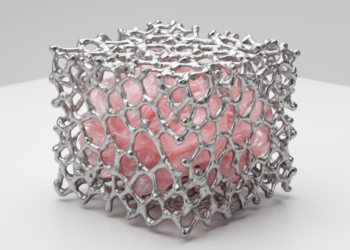
Researchers developed titanium-spongin composites by metallizing marine sponge scaffolds, showing enhanced osteoblast activity and cytocompatibility for tissue engineering.
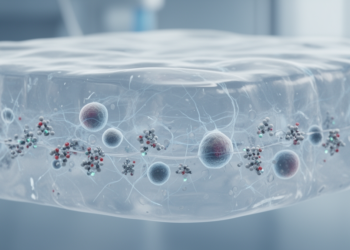
Researchers discover that tailoring hydrogel stiffness to specific native tissues suppresses cellular senescence through integrin alpha-1 and YAP signaling pathways.
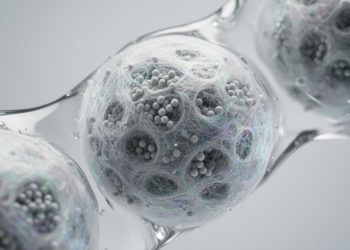
Researchers developed DM4R2 spider silk particles with improved stability and drug loading capacity for chemotherapeutic and protein drug delivery.
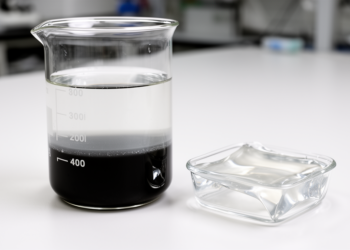
An acetone-assisted phase separation strategy recovers lithium bromide and silk fibroin while producing flame-resistant, mechanically tunable ionogels crosslinked with 1,4-butanediol ...
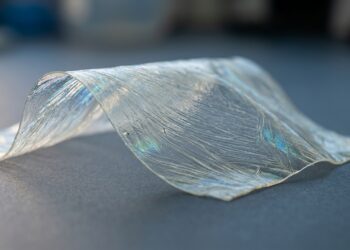
A perspective outlines how catalysis-driven polymerization bypasses sequence-control challenges to create functional polypeptide hybrid materials.
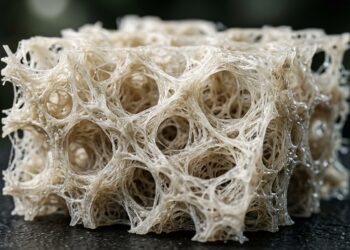
A comprehensive review details how smart biomaterials responsive to endogenous biochemical signals and external physical triggers modulate immune microenvironments to ...
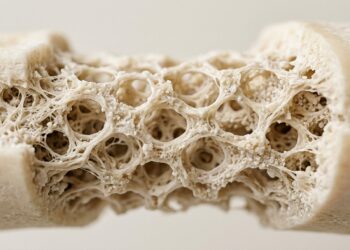
A new review in Materials Today Bio explores how gene-activated matrices use nanomedicine to sustain bone repair by integrating scaffold ...
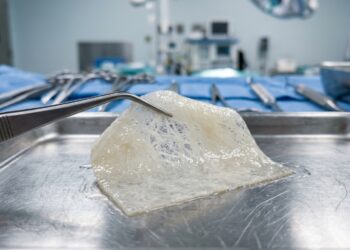
A prospective single-center case series reports that bovine pericardial tissue patches demonstrated excellent safety and handling characteristics during surgical correction ...
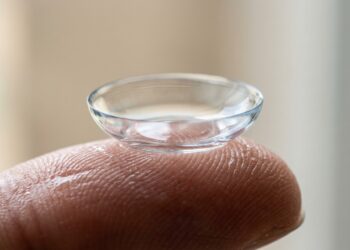
While the clinical use of biomaterials in eye care traces back to early intraocular implants in cataract surgery, the broader ...
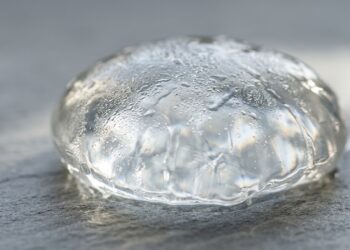
Researchers have synthesized high-swelling polyurethane hydrogels from poly(ethylene glycol) and glycerol using an in-situ Curtius rearrangement that avoids handling toxic ...