Malaria remains one of the most stubborn challenges in global health, with the World Health Organization reporting more than 282 million cases and roughly 610,000 deaths in 2024 alone. Nearly half of the world’s population lives at risk of infection by Plasmodium, the single-celled parasite responsible for the disease. Despite decades of effort, natural exposure to the parasite in endemic regions almost never produces complete immunity, leaving people vulnerable to repeated infections throughout their lives. Now, a study published in Nature Microbiology by researchers at the Gulbenkian Institute for Molecular Medicine in Lisbon has revealed a surprising ingredient in the recipe for vaccine-induced protection: the parasite’s own restless behaviour. The team, led by Maria Mota and Ângelo Ferreira Chora, demonstrates that the ability of malaria sporozoites to actively migrate through host cells before settling in the liver is not incidental to immunity—it is a dominant driver of it.
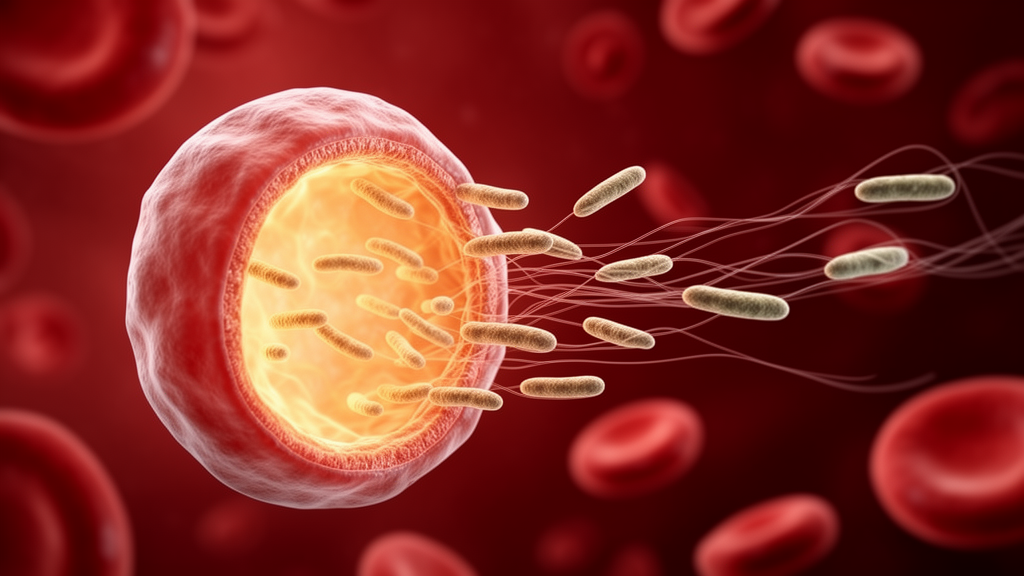
The finding centres on a behaviour called cell traversal. When an infected mosquito bites a host, it injects sporozoites, the parasite’s liver-infective stage, into the skin. These slender, motile parasites enter the bloodstream and travel to the liver, where they must cross the sinusoidal barrier to reach their target hepatocytes. Before doing so, they repeatedly breach the membranes of host cells, glide through the cytoplasm and exit without establishing a lasting infection. This process, first described more than two decades ago, has long been viewed mainly as a mechanical necessity for the parasite’s journey. The new work shows it is also a powerful immunological event, one that shapes the composition and potency of the T cell response that whole-sporozoite vaccines depend upon.
Whole-sporozoite vaccines, which use radiation-attenuated, genetically attenuated or chemically attenuated parasites, are the only malaria vaccine strategy that has consistently achieved sterile protection—the complete prevention of infection—in both rodent models and human trials. This stands in sharp contrast to the licensed subunit vaccines RTS,S and R21, which target the circumsporozoite protein and reduce clinical disease but do not reliably stop infection, a key requirement for eradication. The prevailing assumption has been that whole-sporozoite protection depends primarily on the immunizing parasites infecting hepatocytes and undergoing prolonged intrahepatic development, thereby exposing the host to a broad repertoire of parasite antigens. The Lisbon team set out to test whether that assumption told the whole story.
To do so, the researchers compared wild-type Plasmodium berghei parasites with genetically engineered lines unable to perform cell traversal. One line lacked the SPECT1 protein, a sporozoite microneme component essential for breaching host cell membranes; a second, newly generated line lacked the perforin-like protein PLP1, which serves a similar function. Because traversal-deficient parasites are also less infectious, the team carefully calibrated inoculum sizes, establishing that a fifteen-fold higher dose of the mutant parasites produced liver infection loads equivalent to those achieved with the standard dose of wild-type parasites. Crucially, the mutants retained normal gliding motility and, once inside hepatocytes, developed normally, meaning any difference in vaccine efficacy could be attributed specifically to the loss of traversal rather than to a general defect in parasite fitness.
The results were striking. In a standard prime–boost–boost immunization regimen with radiation-attenuated sporozoites, roughly 82.5 percent of mice vaccinated with wild-type parasites were completely protected against subsequent challenge with infectious parasites, showing no blood-stage infection over a twelve-day monitoring period. Among mice vaccinated with the traversal-deficient parasites, however, protection collapsed: none of the SPECT1-deficient cohort and only about 13 percent of the PLP1-deficient cohort remained parasite-free. The pattern held even under immunization regimens that allowed extended or complete intrahepatic development, using infectious sporozoites under azithromycin or chloroquine chemoprophylaxis. Even when the mutant parasites replicated fully in the liver, they failed to confer sterilizing immunity. Conversely, parasites lacking the P36p protein—which cannot develop substantially in the liver but retain full traversal ability—protected mice just as effectively as wild-type parasites, with comparable durability over nearly seven months.
These findings decouple protection from productive intrahepatic development and reposition parasite behaviour as a central immunogenic determinant. But what mechanism underlies this effect? The team found that antibody responses were largely intact in mice vaccinated with traversal-deficient parasites: anti-sporozoite IgG levels rose comparably in all immunized groups, regardless of the parasites’ ability to traverse cells or develop in the liver. The deficit lay specifically in cellular immunity. In C57BL/6 mice, a strain in which protection depends on CD8 T cells clearing infected hepatocytes, traversal-deficient vaccination failed to generate the protective T cell response. When the researchers depleted CD8 T cells from wild-type-vaccinated C57BL/6 mice before challenge, protection vanished entirely, confirming the dominant role of these cells. In BALB/c mice, a strain that mounts strong antibody-mediated responses, both wild-type and traversal-deficient parasites conferred full protection, and CD8 T cell depletion had no effect—demonstrating that traversal matters precisely when protection relies on T cells.
Using high-parameter spectral flow cytometry and unsupervised clustering of liver leukocytes, the researchers then identified the specific cell population affected. Mice vaccinated with traversal-competent parasites showed a marked expansion of CD8 tissue-resident memory T cells, or TRM cells, in the liver—cells bearing the hallmark markers CD69 and KLRG1-negative status, along with high CXCR3 and CXCR6 expression and elevated CD127 and PD-1, consistent with long-lived, antigen-experienced residents. These cells were significantly under-represented in mice vaccinated with traversal-deficient parasites. Liver-resident memory CD8 T cells are known to form a front-line defence against malaria liver-stage infection, and their presence correlates with durable protection. The team also found that these cells persisted in the liver at least seventy-five days after priming, matching the window of robust protection observed in challenge experiments.
Delving deeper into antigen specificity, the researchers examined CD8 TRM cells targeting two well-characterized Plasmodium epitopes: PbTRAP, a thrombospondin-related protein expressed mainly at the sporozoite stage and shed during parasite locomotion, and PbRPL6, a ribosomal protein associated with intrahepatic development. Vaccination with traversal-competent parasites expanded TRM cells specific for both epitopes. Traversal-deficient vaccination, however, selectively compromised the TRAP-specific population while leaving RPL6-specific cells detectable, albeit reduced. This selective loss suggests that traversal amplifies responses against sporozoite-derived antigens in particular, plausibly by disseminating parasite material across many host cells early in infection. Notably, the defect was not explained by reduced TRAP shedding during gliding motility, and splenectomy experiments showed that while splenic priming contributes to the overall magnitude of the hepatic TRM pool, traversal at the site of infection independently shapes its antigen-specific composition.
The implications for vaccine design are substantial. Current efforts have focused overwhelmingly on identifying optimal antigens and epitopes; this study argues that the dynamic interactions between the parasite and host tissues deserve equal attention. Next-generation whole-sporozoite vaccines might be engineered or selected for enhanced traversal motility to promote stronger, longer-lasting liver-resident CD8 TRM responses. Alternatively, the molecular and inflammatory cues generated by cell traversal could inspire adjuvants that mimic its immunostimulatory effects, potentially benefiting subunit vaccines that currently rely on humoral immunity alone. The findings may also help explain why responses to whole-sporozoite vaccines in humans are heterogeneous, with some vaccinees failing to achieve sterile protection for reasons that remain poorly understood.
There is also an evolutionary dimension worth pondering. It may seem paradoxical that a parasite evolved a behaviour that ultimately arms the immune system against it. The authors suggest this represents a trade-off: under natural transmission, only a small number of sporozoites reach the liver, and traversal is essential for crossing the skin and sinusoidal barriers to establish infection at all. The immunostimulatory consequences only become decisive during vaccination, when artificially high parasite doses amplify exposure to traversal-dependent cues. Whether this principle—harnessing parasite behaviour rather than merely parasite antigens—can be translated into human vaccines remains an open question, particularly since liver-resident T cells are difficult to sample directly in people. Still, the study marks a conceptual shift: for malaria, how a parasite moves through its host may matter as much as what it is made of.
Subject of Research: The role of Plasmodium sporozoite host cell traversal in inducing sterilizing CD8 T cell-mediated immunity after whole-sporozoite malaria vaccination
Article Title: Host cell traversal by Plasmodium parasites drives sterilizing T cell-mediated immunity following immunization
Article References: Rodrigues, A., Mendes, A. M., Gonçalves, R., Nunes-Cabaço, H., Marques, S., Valente-Leal, N., Gomes da Costa, D., Ferreira, C., Veldhoen, M., Prudêncio, M., Mota, M. M., & Chora, Â. F. (2026). Host cell traversal by Plasmodium parasites drives sterilizing T cell-mediated immunity following immunization. Nature Microbiology. https://doi.org/10.1038/s41564-026-02477-2
Image Credits: AI Generated
DOI: 10.1038/s41564-026-02477-2
Keywords: malaria, Plasmodium, sporozoites, cell traversal, T cells, tissue-resident memory T cells, vaccines, liver-stage immunity, CD8 T cells, radiation-attenuated sporozoites, immunology, Nature Microbiology
News Source: Kristina Jarvis. (October 8, 2026). Malaria Parasites Must Burrow Through Cells to Spark Vaccine Protection, Study Finds. Scienmag.