


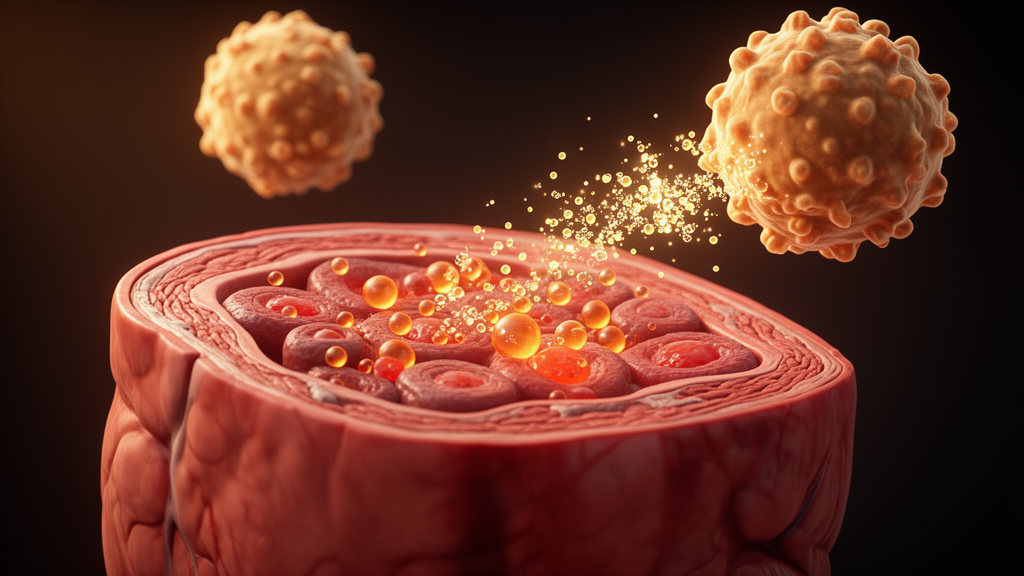
Septic cardiomyopathy, a major complication of sepsis, has been the focus of a new study published in Molecular Biology Reports that integrates single-cell transcriptomics with laboratory experiments to examine how inflammatory immune cells may contribute to ferroptosis-related myocardial injury. The research, published on 29 October 2026, identifies macrophage-associated STAT3 signaling as a contributor to a paracrine inflammatory environment associated with cardiomyocyte injury in septic cardiomyopathy.
The study combined single-cell RNA sequencing, cell–cell communication analysis, and independent mouse and human transcriptomic cohorts to characterize ferroptosis-associated transcriptional changes. The researchers analyzed ferroptosis driver and suppressor signatures separately and found that ferroptosis-associated transcriptional features showed marked cell-type heterogeneity. Inflammatory macrophages exhibited prominent STAT3-related inflammatory signaling and extensive predicted communication with cardiomyocytes, while the independent cohorts revealed context-dependent changes in ferroptosis driver and suppressor programs.
To test the functional contribution of macrophage STAT3 signaling, the team silenced STAT3 in LPS-stimulated RAW264.7 macrophages and transferred the conditioned medium to H9C2 cardiomyocytes. Conditioned medium from LPS-stimulated macrophages induced cardiomyocyte injury, lipid peroxidation, Fe²⁺ accumulation, decreased GPX4, and increased ACSL4. Macrophage STAT3 knockdown partially attenuated these changes, reduced inflammatory responses, and altered Cp expression. The ferroptosis inhibitor Ferrostatin-1 (Fer-1) further alleviated the conditioned-medium-induced injury. Consistent ferroptosis-related molecular alterations were also observed in an SCM mouse model.
The authors conclude that macrophage STAT3 signaling contributes to a paracrine inflammatory environment associated with ferroptosis-related cardiomyocyte injury, linking inflammatory macrophages to myocardial injury in septic cardiomyopathy. The findings are based on cell-line experiments, transcriptomic cohort analyses, and a mouse model, and the reported attenuation of injury by STAT3 knockdown was partial, so the mechanisms described will require further investigation in broader clinical and experimental settings.
Subject of Research: Macrophage STAT3 signaling and ferroptosis-related myocardial injury in septic cardiomyopathy
Article Title: Integrated single-cell transcriptomic and experimental analyses identify macrophage-associated STAT3 signaling contributing to ferroptosis-related injury in septic cardiomyopathy
Article References: Qiu, S., Dai, R., Huang, X., Zhu, W., Zhang, W., Feng, L., Yang, J., Huo, M., & Shao, H. (2026). Integrated single-cell transcriptomic and experimental analyses identify macrophage-associated STAT3 signaling contributing to ferroptosis-related injury in septic cardiomyopathy. Molecular Biology Reports, 53(1), Article 1847. https://doi.org/10.1007/s11033-026-12795-7
Image Credits: AI Generated
DOI: 10.1007/s11033-026-12795-7
Keywords: septic cardiomyopathy, sepsis, ferroptosis, STAT3, macrophages, single-cell RNA sequencing, cardiomyocytes, lipid peroxidation, GPX4, ACSL4, inflammation, Integrated
News Source: Drew Townsend. (October 29, 2026). Macrophage STAT3 signaling linked to ferroptosis-related heart injury in sepsis. Scienmag.



