SIRT1 Protein Protects Hypertensive Mouse Hearts by Suppressing Ferroptotic Cell Death
A study in mice and cultured heart cells indicates that SIRT1 prevents hypertensive cardiac remodeling by stabilizing the FSP1-CoQ10 axis ...
A study in mice and cultured heart cells indicates that SIRT1 prevents hypertensive cardiac remodeling by stabilizing the FSP1-CoQ10 axis ...
A narrative review examines how exercise coordinates autophagic flux across skeletal muscle, cardiac tissue, and the liver, emphasizing the distinction ...
Patient-derived stem cell cardiomyocytes reproduce key molecular abnormalities, impaired calcium handling, and mitochondrial dysfunction characteristic of Fabry disease cardiomyopathy.
A review outlines how immuno-instructive biomaterials could address post-infarction inflammation, stabilize cardiac tissues, and support myocardial healing beyond reperfusion.
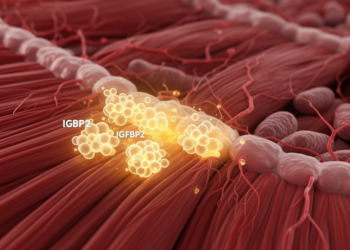
A 12-week aerobic exercise regimen protected mouse hearts from ischemia–reperfusion injury by elevating IGFBP2 to activate protective AKT signaling and ...
A study in human stem cell–derived cardiomyocytes shows that cytosolic hydrogen peroxide impairs contractility while mitochondrial production supports adaptive redox ...
A critical review in Frontiers in Cell and Developmental Biology evaluates cuproptosis as a candidate amplifier in ischemia-reperfusion injury, proposing ...
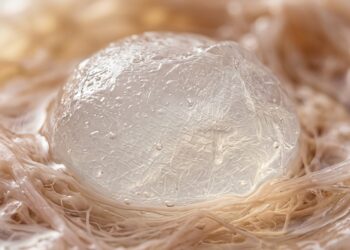
An injectable hyaluronic acid hydrogel with reactive oxygen species feedback regulation resists oxidative and enzymatic degradation to achieve in vivo ...
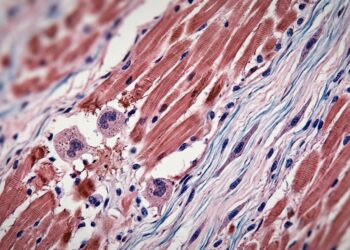
A review examines how macrophage polarization and metabolic reprogramming drive myocardial fibrosis in chronic kidney disease.
A computational investigation integrating network pharmacology and machine learning indicates that modified Lai-Fu decoction may target four core genes to ...
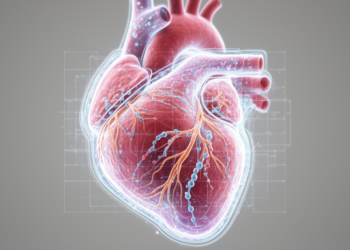
The analysis, conducted by researchers at the First Affiliated Hospital of Guangxi Medical University and published in Frontiers in Cell ...
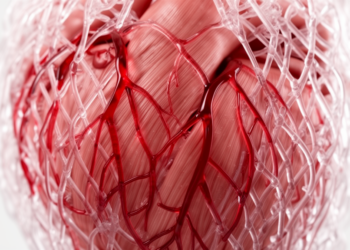
A comprehensive review highlights how transitioning from structural vascularization to functional perfusion across advanced biomaterials and bioreactors is critical for ...
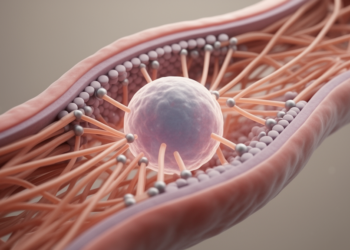
A comprehensive review details how specialized Nesprin isoforms establish distinct nuclear anchoring, microtubule organization, and mechanosensitive signaling pathways across skeletal ...
Researchers found that co-exposure to tetrahydropalmatine was associated with attenuated myocardial tissue injury, preserved mitochondrial structure, and modulated autophagy markers ...
A comprehensive review examines fifteen years of reprogramming lymphoblastoid cell lines into induced pluripotent stem cells, tracing methodological advances, biobank ...
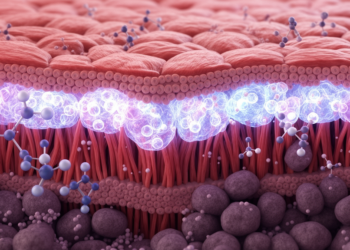
Preclinical multi-omics research shows toddalolactone improves cardiac function and metabolic status in diabetic cardiomyopathy models by modulating PKCα signaling.
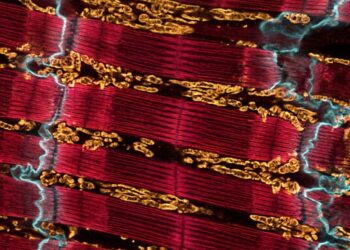
A study in male mice reveals that the E3 ubiquitin ligase TRIM47 exacerbates cardiac ischemia/reperfusion injury by impairing mitochondrial function ...
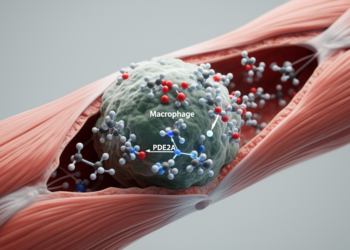
Inhibiting PDE2A in cardiac macrophages attenuates sorafenib-induced cardiotoxicity in mouse and cell models while preserving anti-tumor efficacy.
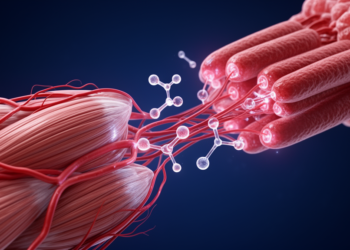
In a murine model of hypertrophic cardiomyopathy, four weeks of activin receptor inhibition with CDD866 increased skeletal muscle mass, attenuated ...
A narrative review examines MHC-restricted antigen presentation and clonal T-cell responses after myocardial infarction, highlighting evidence gaps in antigen specificity ...