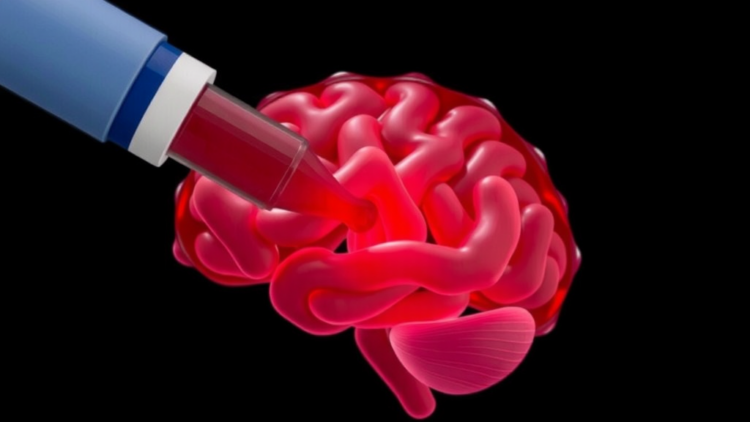
A single drug taken during pregnancy may leave sharply different fingerprints on the developing brains of boys and girls, and a new study points to an unexpected culprit: a form of iron-driven cell death that appears to strike the male brain harder. Researchers at Hunan University of Chinese Medicine report that when pregnant mice receive valproic acid, a widely used epilepsy and mood medication with known links to autism risk, their adolescent offspring show social deficits and anxiety-like behaviors in both sexes, but the damage is measurably worse in males, and the most conspicuous biochemical changes concentrate in a brain region central to social behavior, the medial prefrontal cortex.
Valproic acid has long occupied an uncomfortable place in medicine. It is effective against seizures and certain psychiatric conditions, yet epidemiological studies have repeatedly associated prenatal exposure with an elevated likelihood of autism-related developmental impairments in children. Laboratory models built on embryonic valproate exposure reproduce core features of these outcomes, giving researchers a controlled window into how an environmental risk factor can reshape neural circuits. What has remained murky is the cellular mechanism, and in particular whether males and females differ in their vulnerability, since autism is diagnosed far more often in boys than in girls for reasons that are still poorly understood.
The new work, published in the journal Biology of Sex Differences, tackled both questions at once. The team exposed C57BL/6 mice to valproic acid either at embryonic day 12.5, a critical window of neural development, or at postnatal day 14, and then examined the animals during adolescence, a stage when social behavior and executive circuits are still maturing. Using the three-chamber social interaction test, the gold-standard assay for sociability in rodents, and the open field test for anxiety-like and exploratory behavior, the researchers found that both male and female offspring exposed to valproate showed reduced social preference and heightened anxiety. But the deficits were more pronounced in males, particularly on measures of sociability and social preference.
Behavioral changes alone do not reveal what is happening inside the brain, so the team turned to the microscope and the biochemistry bench. Histological staining with hematoxylin-eosin and Nissl methods revealed variable degrees of neuronal abnormality across three regions, the medial prefrontal cortex, the hippocampus, and the striatum. All three are implicated in social behavior, emotion, and reward processing, but the medial prefrontal cortex stood out as the most visibly damaged, with alterations appearing in both male and female offspring. The mPFC sits at the top of networks governing social decision-making and emotional regulation, so structural compromise there is a plausible substrate for the behavioral phenotype.
The deeper story emerged when the researchers probed ferroptosis, an iron-dependent form of regulated cell death defined by the accumulation of lipid peroxides in cell membranes. Unlike apoptosis, ferroptosis is driven by oxidative damage: when the lipid-repair enzyme glutathione peroxidase 4, or GPX4, is overwhelmed or depleted, lipid peroxides build up, membranes rupture, and cells die in a way that can spread inflammation through surrounding tissue. Biochemical assays in the exposed animals showed shifts in the classic ferroptosis indicators, including reactive oxygen species, malondialdehyde, a marker of lipid peroxidation, glutathione, the principal cellular antioxidant, and superoxide dismutase. Western blotting and immunofluorescence added molecular detail involving ferroptosis regulators such as ACSL4, an enzyme that tags fatty acids for peroxidation, and ferritin heavy chain 1, the iron-storage protein FTH1.
Transmission electron microscopy provided some of the most striking evidence. In the medial prefrontal cortex of valproate-exposed offspring, mitochondria, the organelles whose shrinkage and membrane damage are hallmarks of ferroptotic death, displayed characteristic abnormalities alongside vacuolization within the tissue. These ultrastructural signatures, combined with the biochemical shifts, indicated that ferroptosis-related processes were most evident precisely in the region that also carried the heaviest histological burden. Critically, the ferroptosis-related molecular changes followed a clear sex-differentiated pattern: the alterations were more pronounced in males than in females, mirroring the asymmetry in behavioral deficits and offering a candidate mechanism for the male-skewed vulnerability seen in autism epidemiology.
The study also asked whether timing matters. In a second cohort, male mice were exposed to valproic acid during early postnatal life rather than before birth, and the outcomes were compared with the prenatal group. Both exposure windows produced similar patterns of behavioral abnormality and similar ferroptosis-related molecular changes in the medial prefrontal cortex. That convergence is significant because it suggests ferroptosis-associated alterations are not a peculiarity of one developmental moment but may represent a shared molecular feature of valproate-induced neurodevelopmental disruption across distinct windows of vulnerability. For researchers trying to model autism risk in animals, that consistency strengthens the argument that iron-linked oxidative cell death is a meaningful convergent pathway rather than an incidental finding.
The findings place ferroptosis in a growing cast of cellular mechanisms implicated in autism spectrum disorder, alongside synaptic miswiring, immune signaling, and mitochondrial dysfunction. Ferroptosis has been studied most intensively in neurodegeneration, where vulnerable neurons in Parkinson’s and Alzheimer’s disease show lipid-peroxidation damage, so finding a ferroptosis signature in a neurodevelopmental model extends the concept into the prenatal and adolescent periods. It also offers a testable intervention target: ferroptosis can be chemically suppressed with agents that bolster GPX4 activity or scavenge lipid peroxides, and if the same pathway operates in humans, protecting the adolescent or prenatal prefrontal cortex from ferroptotic stress becomes a concrete therapeutic hypothesis.
The authors, led by Shatong Zhao and corresponding authors Jiangshan Li and Xiang Feng, are careful about the limits of inference. The work was conducted in mice, and behavioral assays such as the three-chamber test capture only a slice of the social phenomena relevant to human autism. Nor does the study establish that ferroptosis causes the behavioral deficits; it demonstrates a robust association, regionally specific and sex-dependent, that co-occurs with neuronal abnormality and mitochondrial damage. Distinguishing causation from correlation will require interventions that block ferroptosis and test whether the behavioral phenotype softens, as well as human tissue studies to confirm the pathway operates in people exposed to valproate in utero.
Even so, the study lands at a moment of intense interest in the biology of sex differences in the brain. If males sustain greater ferroptosis-related damage in the medial prefrontal cortex after an identical exposure, that asymmetry could help explain why autism diagnoses cluster in boys and could guide sex-stratified approaches to prevention and treatment. It also adds urgency to clinical guidance around valproic acid, which is already contraindicated in pregnancy in many jurisdictions for epilepsy and bipolar disorder. For the researchers, the next steps are clear: pin down why male brains are more susceptible to lipid-peroxidation injury during development, and determine whether shielding the medial prefrontal cortex from ferroptosis can preserve the social circuits that valproate exposure appears to erode.
Subject of Research: Sex differences in ferroptosis-related vulnerability to autism-like deficits in the adolescent mouse medial prefrontal cortex following prenatal valproic acid exposure
Article Title: Sex differences in ferroptosis-related vulnerability to autism-like deficits in the adolescent medial prefrontal cortex following embryonic valproic acid exposure
Article References: Zhao, S., Wang, J., Pan, Y., Yang, Y., Yin, Y., Li, W., Li, J., & Feng, X. (2026). Sex differences in ferroptosis-related vulnerability to autism-like deficits in the adolescent medial prefrontal cortex following embryonic valproic acid exposure. Biology of Sex Differences. https://doi.org/10.1186/s13293-026-00982-x
Image Credits: AI Generated
DOI: 10.1186/s13293-026-00982-x
Keywords: autism spectrum disorder, valproic acid, ferroptosis, sex differences, medial prefrontal cortex, neurodevelopment, GPX4, lipid peroxidation, mitochondria, prenatal exposure, mice, social behavior
Cite Scienmag News
APA
MLA
Chicago
Ophelia Keating. (September 21, 2026). Iron-Linked Cell Death May Explain Why Autism Risk Hits Male Mice Harder. Scienmag. https://scienmag.com/iron-linked-cell-death-may-explain-why-autism-risk-hits-male-mice-harder/
Ophelia Keating. “Iron-Linked Cell Death May Explain Why Autism Risk Hits Male Mice Harder.” Scienmag, 21 September 2026, https://scienmag.com/iron-linked-cell-death-may-explain-why-autism-risk-hits-male-mice-harder/. Accessed 21 September 2026.
Ophelia Keating. “Iron-Linked Cell Death May Explain Why Autism Risk Hits Male Mice Harder.” Scienmag. September 21, 2026. https://scienmag.com/iron-linked-cell-death-may-explain-why-autism-risk-hits-male-mice-harder/
Copy citation
Download RIS
Tags: adolescent behavioral deficits in miceanimal models of autismAutism risk and prenatal drug exposureautism spectrum disorderbiochemical changes in brain regionsenvironmental factors influencing autismferroptosisgender disparities in autism susceptibilityGPX4impact of maternal medication during pregnancyiron metabolism and neurodegenerationiron-driven cell death in brain developmentlipid peroxidationmedial prefrontal cortexmedial prefrontal cortex role in social behaviormicemitochondrianeurodevelopmentprenatal exposuresex differencessex differences in neurodevelopmental disorderssocial behaviorvalproic acidvalproic acid effects on fetal brain