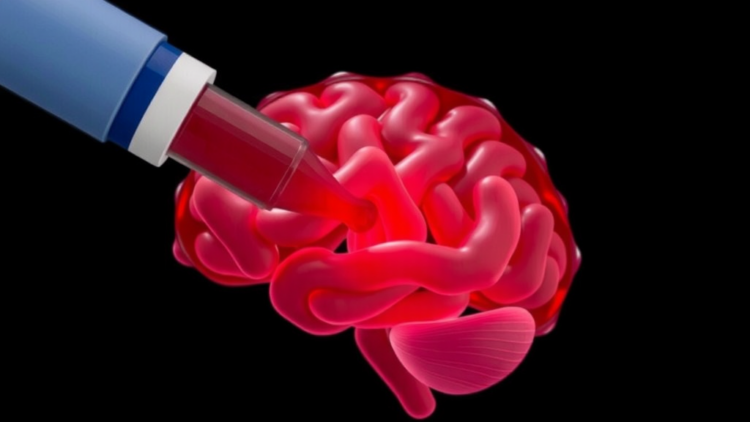
A traditional desert medicinal plant may hold the key to treating one of medicine’s most stubborn comorbidities: depression that arrives hand-in-hand with gut dysfunction. In a new study published in BMC Complementary Medicine and Therapies, researchers in China report that total glycosides extracted from Cistanche tubulosa, a parasitic plant long used in traditional medicine, significantly relieved both depressive-like behaviors and intestinal dysfunction in chronically stressed mice. The work points to a surprising mechanism: the compounds appear to work by suppressing a form of iron-driven cell death in the intestine known as ferroptosis, reshaping how scientists think about the gut-brain axis in mood disorders.
Depression is among the most burdensome psychiatric conditions worldwide, and a substantial proportion of patients also suffer from gastrointestinal complaints ranging from slowed digestion to impaired barrier function. Current antidepressant therapies, including selective serotonin reuptake inhibitors such as fluoxetine, often deliver suboptimal efficacy and can themselves produce gastrointestinal side effects. That therapeutic gap motivated the research team, led by Li Fan and Qingwei Zhao of the First Affiliated Hospital of Zhejiang University School of Medicine, together with colleagues at Shanghai Jiao Tong University and Central South University, to investigate whether a natural product with a long history of use could act on both the brain and the gut simultaneously.
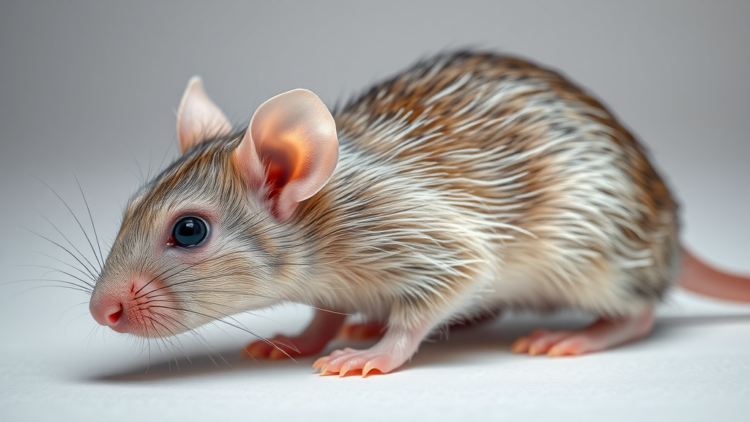
The team built their study on a chronic restraint stress mouse model, an established paradigm in which animals subjected to prolonged physical restraint develop behavioral and physiological hallmarks that mirror human depression, including gut dysfunction. Mice were divided into five groups: an unstressed control group, a stressed model group, a stressed group treated with the standard antidepressant fluoxetine, and two stressed groups treated with low or high doses of the Cistanche tubulosa total glycosides. All treatments were delivered orally by intragastric gavage over five weeks, a duration chosen to capture both the development of symptoms and the potential for therapeutic reversal.
The behavioral results were striking. Stressed mice that received the glycosides showed a robust restoration of sucrose preference, a standard measure of anhedonia, the loss of pleasure that defines depression. They also displayed increased locomotor activity and greater exploration of the central zones of an open field, both indicators of reduced anxiety-like behavior, and they spent less time immobile in the forced swimming test, another widely used index of behavioral despair. In short, the treated animals looked, by multiple independent behavioral yardsticks, substantially less depressed than their untreated stressed counterparts.
Equally important, the glycosides repaired the gut. Chronically stressed mice typically exhibit multi-segment intestinal dysmotility, and the untreated animals in this study showed prolonged total gut transit time, impaired colonic propulsion, and reduced gastric emptying and intestinal transit rates. Glycoside treatment shortened total transit time, restored colonic propulsion, and enhanced both gastric emptying and intestinal transit. Beyond motility, the treatment preserved the structural integrity of the intestinal barrier: microscopic examination revealed less epithelial damage, and molecular assays showed restored expression of tight junction proteins ZO-1 and occludin as well as the protective mucus component MUC2, all of which are critical to keeping the gut lining sealed against microbial and inflammatory assault.
Inflammation, a well-recognized link between gut dysfunction and mood disorders, also receded under treatment. Levels of the pro-inflammatory cytokines TNF-α, IL-1β, and IL-6 dropped in the intestine, in the serum, and in the hippocampus, the brain region central to emotion and stress regulation. This coordinated reduction across gut, blood, and brain suggests that calming the intestine may send anti-inflammatory signals system-wide, a concept increasingly central to gut-brain axis research. The finding is consistent with the hypothesis that peripheral inflammation contributes to depressive symptomatology and that targeting the gut can modulate neuroinflammation.
To uncover the biochemical pathway underlying these effects, the researchers turned to untargeted metabolomics, an unbiased technique that measures thousands of small molecules simultaneously. The analysis pinpointed arachidonic acid metabolism as the key altered pathway. Treatment with the glycosides decreased cecal levels of arachidonic acid and 20-hydroxy-leukotriene B4 while increasing levels of dinoprost, metabolites with established connections to ferroptosis, an iron-dependent form of regulated cell death driven by the accumulation of lipid peroxides. Ferroptosis has attracted intense scientific interest in recent years because of its roles in neurodegeneration, inflammatory disease, and cancer, but its contribution to gut-brain comorbidity had remained poorly understood.
The mechanistic picture sharpened further with biochemical and molecular assays. The glycosides suppressed intestinal oxidative stress and lipid peroxidation, reduced the accumulation of ferrous iron, and reversed two signature changes in ferroptosis-related proteins: chronic stress had upregulated ACSL4, an enzyme that channels polyunsaturated fatty acids such as arachidonic acid into the lipid pools vulnerable to peroxidation, and had downregulated GPX4, the glutathione-dependent enzyme that normally detoxifies those lipid peroxides. Treatment normalized both. Molecular docking simulations added a final piece: echinacoside, one of the major constituents of the extract, showed strong predicted binding affinity for ACSL4, suggesting a direct molecular interaction that could explain how the glycosides restrain the ferroptotic machinery.
Taken together, the study proposes a coherent and novel pharmacological model. Chronic stress disrupts arachidonic acid metabolism in the gut, fueling ACSL4-mediated ferroptosis that damages the intestinal epithelium, weakens the barrier, and triggers inflammatory cytokine release that reaches the brain. Total glycosides from Cistanche tubulosa intervene at the intestinal source, suppressing ferroptosis, restoring barrier integrity, reducing inflammation, and thereby alleviating depressive-like behaviors. The authors suggest this gut-targeted pathway highlights the potential of these natural compounds as a basis for interventions aimed at comorbid depression and intestinal dysfunction. As with all preclinical work, the findings await validation in human trials, and questions remain about dosing, bioavailability, and long-term safety. Nevertheless, the study adds Cistanche tubulosa glycosides to a growing list of natural products whose effects on ferroptosis and the gut-brain axis are reshaping the search for next-generation antidepressant strategies, and it underscores a message increasingly echoed across neuroscience: to heal the mind, it may sometimes be necessary to begin with the gut.
Subject of Research: Suppression of intestinal ACSL4-mediated ferroptosis by Cistanche tubulosa glycosides to treat comorbid depression and intestinal dysfunction
Article Title: Glycosides from Cistanche tubulosa suppress intestinal ACSL4-mediated ferroptosis to ameliorate depression with intestinal dysfunction symptoms through regulating arachidonic acid metabolism
Article References: Fan, L., Shi, X., Zhao, L., Liu, J., Yang, X., Li, X., & Zhao, Q. (2026). Glycosides from Cistanche tubulosa suppress intestinal ACSL4-mediated ferroptosis to ameliorate depression with intestinal dysfunction symptoms through regulating arachidonic acid metabolism. BMC Complementary Medicine and Therapies. https://doi.org/10.1186/s12906-026-05602-0
Image Credits: AI Generated
DOI: 10.1186/s12906-026-05602-0
Keywords: Cistanche tubulosa, glycosides, depression, intestinal dysfunction, ferroptosis, ACSL4, GPX4, arachidonic acid metabolism, gut-brain axis, echinacoside, chronic stress, intestinal barrier
Cite Scienmag News
APA MLA Chicago
Glenn Wilkins. (September 21, 2026). Desert Plant Compound Shows Promise Against Depression by Protecting the Gut. Scienmag. https://scienmag.com/desert-plant-compound-shows-promise-against-depression-by-protecting-the-gut/
Glenn Wilkins. “Desert Plant Compound Shows Promise Against Depression by Protecting the Gut.” Scienmag, 21 September 2026, https://scienmag.com/desert-plant-compound-shows-promise-against-depression-by-protecting-the-gut/. Accessed 21 September 2026.
Glenn Wilkins. “Desert Plant Compound Shows Promise Against Depression by Protecting the Gut.” Scienmag. September 21, 2026. https://scienmag.com/desert-plant-compound-shows-promise-against-depression-by-protecting-the-gut/
Copy citation Download RIS
Tags: ACSL4arachidonic acid metabolismchronic stressCistanche tubulosaCistanche tubulosa extractDepressiondepression treatmentdesert medicinal plant compoundsechinacosideferroptosisferroptosis in intestinal cellsgastrointestinal dysfunction in depressionglycosidesGPX4gut-brain axisherbal medicine for comorbid depression and gut issuesintestinal barrierintestinal dysfunctioniron-driven cell death and depressionnatural antidepressant alternativesplant-derived therapies for mood disordersstress-related gut and mood disorderstraditional Chinese medicine for mental health