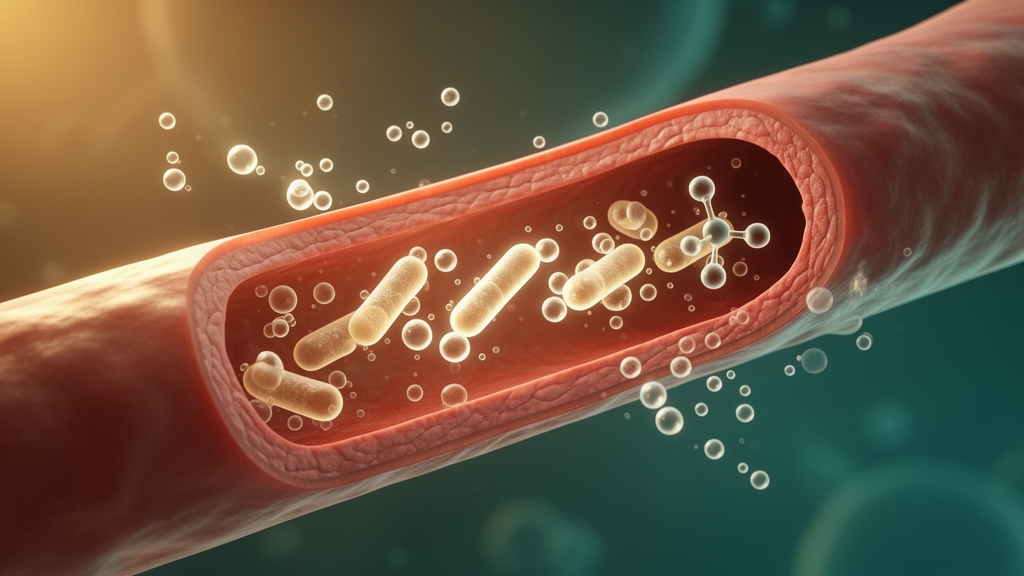
Diabetic vasculopathy remains one of the most debilitating and life-threatening complications of type 2 diabetes mellitus, affecting a significant portion of patients with the condition. The progressive damage to blood vessels often leads to severe outcomes, including cardiovascular events, kidney failure, and limb amputations. While the clinical manifestations are well-documented, the precise molecular mechanisms driving the structural and functional changes in blood vessels under chronic hyperglycemic conditions have been a subject of intense scientific inquiry. Recent research published in Cell Death Discovery offers a compelling new perspective on how the body’s endogenous signaling molecules might protect against this vascular deterioration, specifically highlighting the role of hydrogen sulfide in modulating cellular stress responses.
The study, led by researchers from Xiamen University in China, investigates the protective effects of hydrogen sulfide, a gasotransmitter that has long been recognized for its antioxidant and anti-inflammatory properties. In the context of diabetes, vascular smooth muscle cells undergo a pathological phenotypic switch, becoming more proliferative and migratory, which contributes to the thickening and stiffening of arterial walls. The researchers sought to understand how hydrogen sulfide might counteract these abnormal cellular behaviors, aiming to identify specific molecular targets that could serve as therapeutic interventions for diabetic vascular complications.
Using a combination of in vivo and in vivo models, the team utilized type 2 diabetes mellitus mice and mouse aortic vascular smooth muscle cells cultured under high-glucose and high-fat conditions to mimic the metabolic environment of diabetic patients. Their initial observations revealed a critical deficiency in the diabetic state: a marked decrease in the expression of cystathionine gamma-lyase, the primary enzyme responsible for synthesizing hydrogen sulfide in the body. This reduction in endogenous hydrogen sulfide production was directly correlated with increased oxidative stress and the activation of the NLRP3 inflammasome, a complex protein structure that plays a key role in initiating inflammation.
The activation of the NLRP3 inflammasome is a central event in the pathogenesis of diabetic vasculopathy, as it triggers the release of pro-inflammatory cytokines that exacerbate tissue damage. The researchers found that when hydrogen sulfide levels were low, vascular smooth muscle cells exhibited heightened proliferative and migratory activity, further contributing to vascular remodeling. To test the hypothesis that hydrogen sulfide could reverse these pathological changes, the team administered sodium hydrosulfide, a stable hydrogen sulfide donor, to the experimental models. The results were striking: the introduction of hydrogen sulfide effectively reversed the elevated oxidative stress and suppressed the activation of the NLRP3 inflammasome, thereby reducing the abnormal proliferation and migration of vascular smooth muscle cells.
However, the study went beyond confirming the protective effects of hydrogen sulfide to elucidate the specific molecular mechanism behind these benefits. The researchers focused on a post-translational modification known as S-sulfhydration, a process where hydrogen sulfide adds a sulfane sulfur group to cysteine residues of proteins. Through detailed protein analysis, they identified that hydrogen sulfide promotes the S-sulfhydration of thioredoxin reductase 1, a key enzyme in the cellular redox system. This modification occurs specifically at the Cys611 residue of thioredoxin reductase 1, a site that is crucial for the enzyme’s catalytic activity and its interaction with other redox-regulating proteins.
The S-sulfhydration of thioredoxin reductase 1 at Cys611 has profound downstream effects on the thioredoxin 1-thioredoxin-interacting protein-NLRP3 signaling axis. Thioredoxin 1 is a major intracellular antioxidant that binds to and inhibits thioredoxin-interacting protein, which is a known activator of the NLRP3 inflammasome. By enhancing the activity of thioredoxin reductase 1 through S-sulfhydration, hydrogen sulfide ensures that thioredoxin 1 remains in its active, reduced state. This active thioredoxin 1 effectively sequesters thioredoxin-interacting protein, preventing it from activating the NLRP3 inflammasome. Consequently, the entire inflammatory cascade is dampened, leading to a reduction in the production of inflammatory mediators that drive vascular damage.
To validate this mechanism, the researchers employed pharmacological inhibition and rescue experiments. They used specific inhibitors to block the S-sulfhydration of thioredoxin reductase 1 and observed that the protective effects of hydrogen sulfide were significantly diminished. Conversely, when they restored the S-sulfhydration status of thioredoxin reductase 1, the anti-inflammatory and anti-proliferative effects were reinstated. These experiments provided strong evidence that the S-sulfhydration of thioredoxin reductase 1 at Cys611 is not merely a byproduct of hydrogen sulfide exposure but is a critical regulatory step in the pathway that leads to vascular protection. This finding underscores the importance of specific post-translational modifications in mediating the biological effects of gasotransmitters.
The implications of this study extend beyond the immediate understanding of diabetic vasculopathy. By identifying the thioredoxin reductase 1 S-sulfhydration pathway as a key mediator of hydrogen sulfide’s protective effects, the researchers have highlighted a promising therapeutic target for the treatment of diabetic vascular complications. Drugs that can enhance the S-sulfhydration of thioredoxin reductase 1 or stabilize hydrogen sulfide levels could potentially offer new avenues for preventing or slowing the progression of vascular damage in diabetic patients. This approach could complement existing therapies that focus on glucose control and blood pressure management, providing a more comprehensive strategy for managing the complications of type 2 diabetes.
Furthermore, the study contributes to the growing body of evidence supporting the role of hydrogen sulfide in various physiological and pathological processes. While hydrogen sulfide has been studied in the context of cardiovascular protection, this research provides a detailed mechanistic insight into how it specifically targets the inflammatory pathways involved in diabetic vascular remodeling. The identification of the Cys611 residue as a critical site for S-sulfhydration offers a precise molecular target for future drug development. Understanding the intricate balance between oxidative stress, inflammation, and cellular redox regulation is essential for developing effective treatments for chronic diseases like diabetes, and this study makes a significant contribution to that understanding.
In conclusion, this research from Xiamen University provides a comprehensive mechanistic explanation for how hydrogen sulfide attenuates diabetic vascular remodeling. By demonstrating that hydrogen sulfide promotes the S-sulfhydration of thioredoxin reductase 1 at Cys611, thereby inhibiting the thioredoxin 1-thioredoxin-interacting protein-NLRP3 axis, the study reveals a novel pathway for vascular protection. These findings not only enhance our understanding of the molecular pathogenesis of diabetic vasculopathy but also open new possibilities for therapeutic interventions. As the global burden of type 2 diabetes continues to rise, identifying and targeting such specific molecular mechanisms will be crucial for improving patient outcomes and reducing the severity of its vascular complications.
Subject of Research: Mechanism of hydrogen sulfide-mediated protection against diabetic vascular remodeling via TrxR1 S-sulfhydration
Article Title: Hydrogen sulfide promotes S-sulfhydration of TrxR1 and attenuates diabetic vascular remodeling
Article References: Wei, Z., Wu, R., Ruan, J., Yang, J., Fu, X., Li, Y., Jiao, L., Xiang, L., Yu, D., Yan, G., Zhang, L., & Li, H. (2026). Hydrogen sulfide promotes S-sulfhydration of TrxR1 and attenuates diabetic vascular remodeling. Cell Death Discovery. https://doi.org/10.1038/s41420-026-03297-3
Image Credits: AI Generated
DOI: 10.1038/s41420-026-03297-3
Keywords: Hydrogen Sulfide, Diabetic Vasculopathy, TrxR1, S-sulfhydration, NLRP3 Inflammasome, Vascular Smooth Muscle Cells, Type 2 Diabetes, Oxidative Stress, Cell Death Discovery, Xiamen University, Hydrogen, sulfide
News Source: Ophelia Keating. (October 18, 2026). Hydrogen Sulfide Targets TrxR1 to Ease Diabetic Vascular Damage. Scienmag.