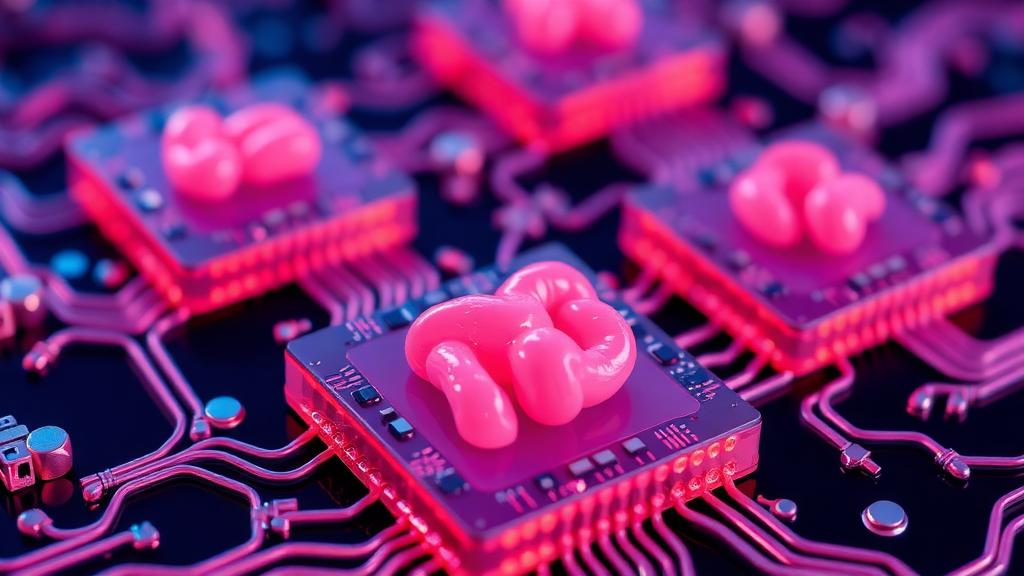
One of the most stubborn failures in modern medicine is not a lack of new drug candidates but an inability to know, early and reliably, how a human body will handle them. Animal models, the traditional gatekeepers of preclinical testing, frequently misjudge how drugs are absorbed in the gut, distributed through the bloodstream, metabolized by the liver, excreted by the kidneys, and tolerated by vulnerable tissues. A new Review published in Nature Biomedical Engineering by Jiawei Li, Sofia Madrigal Gamboa, Jade T. Chao, Sarah C. Heilshorn and Joseph C. Wu of Stanford University and Greenstone Biosciences argues that the path forward lies in a deceptively simple reframing: the human body should be understood as a network of distinct biochemical and biomechanical niches connected by selective exchange, and only engineered systems that preserve those niches while linking them can faithfully predict human drug responses. The authors contend that multi-organ-on-a-chip systems, or mOoCs, are the most promising class of new approach methodologies for reconstructing these inter-organ processes, but that translation-ready platforms remain frustratingly out of reach.
The scale of the problem is well documented. Pre-clinical animal models have proven poor predictors of human toxicities in phase 1 oncology trials, and quantitative proteomics has revealed substantial differences between humans and laboratory species in the abundance of non-cytochrome P450 drug-metabolizing enzymes. Species divergence extends deep into immunology, where functional differences between rodent and human PD-1 have been linked to evolutionary divergence, and into catastrophic safety failures such as the TGN1412 monoclonal antibody trial, which was later explained by species differences in CD28 expression on human CD4-positive effector memory T-cells. Because absorption, distribution, metabolism, excretion and toxicity, collectively known as ADMET, arise from coordinated activities across multiple organs rather than from any single tissue, even the best single-organ cultures cannot capture the systemic picture. A drug that is harmless in an isolated liver culture may become toxic only after intestinal metabolism, hepatic processing and renal clearance interact in sequence.
The Review identifies two persistent challenges that have kept multi-organ chips in the proof-of-concept stage. The first is how to preserve the distinct biochemical and biomechanical niches of each organ while enabling controlled exchange between them. The liver, for example, depends on a specific extracellular matrix composition, oxygen gradient and shear stress regime, while the gut requires peristalsis-like motion, a mucus layer and a resident microbial community. The second challenge is manufacturing: most existing devices are hand-built, low-throughput and difficult to reproduce, which makes them unsuitable for the standardized, data-rich drug evaluation pipelines that regulators and pharmaceutical companies require. The authors organize their analysis around these two axes, first surveying niche-preserving engineering strategies developed within single-organ systems and then outlining how those components can be integrated into scalable, multimodal platforms.
Niche preservation begins with materials. Biological hydrogels act as selective diffusion barriers in living tissue, and the Review highlights how engineered hydrogels can replicate this function, controlling the release of growth factors through synthetic glycosaminoglycans in modular macroporous scaffolds. Growth factor presentation matters as much as its presence: engineered variants with enhanced syndecan binding generate tonic signalling that promotes tissue healing, and superior extracellular matrix binding motifs have been shown to enhance the regenerative activity and safety of therapeutic proteins. Spatial control is equally critical, with techniques now available for patterning multiple growth factors simultaneously in three-dimensional hydrogels and for photopatterning biomolecule immobilization to guide three-dimensional cell fate in protein-based hydrogels. The mechanical properties of the matrix, including its viscoelasticity, are increasingly recognized as central regulators of cellular behaviour, meaning that a chip’s scaffold must be tuned not only chemically but physically to match each organ’s native stiffness and stress-relaxation profile.
Membranes and barriers form a second pillar of niche engineering. Organ-on-chip devices rely on polymeric and biological membranes to separate tissue compartments while permitting controlled molecular traffic, and recent work has produced trumpet-shaped porous PDMS membranes, extracellular matrix-derived membranes synthesized in situ with tunable thickness, and hydrogel membranes formed directly in microchannels to generate stable chemical gradients. These advances matter because barrier function is organ-defining: the intestinal epithelium decides what enters the bloodstream, the blood-brain barrier decides what enters the central nervous system, and the renal tubular barrier decides what is excreted. A validated Caco-2 microfluidic chip model has already demonstrated the ability to predict intestinal absorption of BCS class I through IV drugs, and ultrathin membranes have been shown to mediate tissue-specific morphogenesis and barrier function in a human kidney chip. Microfluidic gradient devices have even been used to generate spatially patterned human neural tube-like structures, showing that developmental signalling landscapes can be reconstructed on chip with remarkable fidelity.
Vascularization represents perhaps the most demanding niche to engineer, and also the most important for ADMET prediction, because the vasculature is the highway along which every drug travels. The Review emphasizes that vascular endothelium is not a uniform pipe but a heterogeneous, organ-adapted tissue: tight junction claudin composition varies across vascular beds and guides organotropic metastasis, the glycocalyx serves as a central regulator of vascular function, and endothelial cells in different organs perform strikingly different tasks. Pericytes, which wrap around capillaries and modulate barrier properties, are increasingly recognized as essential players in disease models. Engineering efforts have produced functional perfusable three-dimensional microvascular networks on chip, microfluidic platforms integrating functional vascularized organoids, and open-top chips generating two distinct interconnected three-dimensional microvascular networks without barriers. Physiological perfusion itself has been shown to rescue regressed microvascular networks and extend their longevity, and recent preprint work links intraluminal flow to endothelial state transitions through a YAP/TAZ-Apelin switch, underscoring how fluid forces actively sculpt vascular identity rather than merely nourishing it.
With single-organ niches increasingly well engineered, the field has moved toward integration. Landmark demonstrations include fluidically coupled vascularized organ chips that quantitatively predicted human pharmacokinetic responses to drugs, a physiomimetic model integrating gut, liver and brain systems for studies of neurodegenerative disease, and a multi-organ chip with matured tissue niches linked by vascular flow. The ambition keeps growing: an eighteen-organ microphysiological system coupling a vascular network and excretion system has been reported for drug discovery, alongside pumpless designs that use gravity-driven flow to avoid external pumps, including a fourteen-compartment system and modular platforms for co-culturing gastrointestinal epithelium with three-dimensional primary liver tissue. Robotic fluidic coupling and interrogation of multiple vascularized organ chips has automated what was once delicate manual work, and closed-loop modular platforms now achieve self-sustaining, tightly controlled oxygenation. Four-organ chips connecting intestine, liver, skin and kidney equivalents have supported long-term co-culture, and multi-organoid body-on-a-chip systems have enabled compound screening in both single and integrated configurations.
Scalable manufacturing is where the Review sees the decisive bottleneck. Microfabrication techniques such as ultra-resolution scalable microprinting and continuous liquid interface production, which achieves single-digit-micrometer resolution and can operate in injection mode, promise to move chip production from artisanal to industrial. Adaptable manufacturing of milliscale organ chips with perfusable vascular beds, scalable microfluidic platforms for flexible configuration of microtissue multiorgan models, and three-dimensional printed multi-compartment platforms with tubing-free pumps all point toward platforms that could be produced, configured and run reproducibly across laboratories. Material choices matter here too: systematic studies of sorption and release of small molecules in PDMS and cyclic olefin copolymer are helping engineers select polymers that do not sequester the very drugs being tested, a subtle but consequential source of error in pharmacokinetic measurements.
The final ingredient is data. The Review highlights multimodal readouts as the basis for making mOoCs robust, reproducible and data-rich technologies for drug response evaluation. Optical methods now span label-free refractive index tomography, holotomography, hyperspectral CARS microscopy for chemical imaging, dynamic full-field optical coherence tomography for live imaging of retinal organoids, and photoacoustic techniques capable of volumetric imaging of neuromelanin in live brain organoids and all-optical three-dimensional scanning of vasculature. Electrical readouts include impedance mapping with high-density microelectrode arrays that reveal dynamic heterogeneity of epithelial barriers, and microelectrode array-integrated cantilever platforms that compare real-time electrophysiology and contractility of cardiomyocytes under drug exposure. Biosensors can now selectively detect dopamine and serotonin at nanomolar concentrations from complex in vitro systems, while nanoplasmonic microwell arrays monitor single-cell secretion with spatiotemporal resolution. These streams of data feed directly into artificial intelligence workflows: AI models trained on liver organoid brightfield images already predict drug-induced liver injury levels, machine learning strategies reduce variability in stem cell differentiation, and active learning frameworks leveraging transcriptomics identify modulators of disease phenotypes.
The regulatory and cultural context is shifting rapidly in favour of these technologies. The US Food and Drug Administration has formalized its support for new approach methodologies, the National Institutes of Health has announced a priority on human-based research technologies, and major funders and institutions are moving away from primate research. The authors argue that the human-relevant datasets generated by niche-preserving, vascularly linked, multimodally monitored multi-organ chips are exactly what next-generation AI-driven drug discovery needs: physiologically grounded training data that reflect how a compound behaves in a human body rather than in a mouse. If the engineering challenges of scalability and standardization can be met, the multi-organ chip may finally close the gap between a promising molecule in a dish and a safe, effective medicine in a patient, replacing a century of imperfect animal surrogates with a living, breathing model of ourselves, built one microfluidic channel at a time.
Subject of Research: Multi-organ-on-a-chip systems engineered to preserve organ-specific niches for predicting human drug absorption, distribution, metabolism, excretion and toxicity
Article Title: Engineering human multi-organ tissue chip niches for drug absorption, distribution, metabolism, excretion and toxicity prediction
Article References: Li, J., Madrigal Gamboa, S., Chao, J. T., Heilshorn, S. C., & Wu, J. C. (2026). Engineering human multi-organ tissue chip niches for drug absorption, distribution, metabolism, excretion and toxicity prediction. Nature Biomedical Engineering. https://doi.org/10.1038/s41551-026-01806-4
Image Credits: AI Generated
DOI: 10.1038/s41551-026-01806-4
Keywords: organ-on-a-chip, multi-organ chips, ADMET, drug toxicity prediction, microfluidics, tissue engineering, new approach methodologies, vascularization, organoids, pharmacokinetics, artificial intelligence, drug development
News Source: Louis Brooks. (October 5, 2026). Human Organs on Chips Recreate Body’s Niches to Predict Drug Safety. Scienmag.