• HOME
  • NEWS
  • EXPLORE
    • CAREER
      • Companies
      • Jobs
    • EVENTS
    • iGEM
      • News
      • Team
    • PHOTOS
    • VIDEO
    • WIKI
  • BLOG
  • COMMUNITY
    • FACEBOOK
    • INSTAGRAM
    • TWITTER
Friday, April 17, 2026
BIOENGINEER.ORG
No Result
View All Result
  • Login
  • HOME
  • NEWS
  • EXPLORE
    • CAREER
      • Companies
      • Jobs
        • Lecturer
        • PhD Studentship
        • Postdoc
        • Research Assistant
    • EVENTS
    • iGEM
      • News
      • Team
    • PHOTOS
    • VIDEO
    • WIKI
  • BLOG
  • COMMUNITY
    • FACEBOOK
    • INSTAGRAM
    • TWITTER
  • HOME
  • NEWS
  • EXPLORE
    • CAREER
      • Companies
      • Jobs
        • Lecturer
        • PhD Studentship
        • Postdoc
        • Research Assistant
    • EVENTS
    • iGEM
      • News
      • Team
    • PHOTOS
    • VIDEO
    • WIKI
  • BLOG
  • COMMUNITY
    • FACEBOOK
    • INSTAGRAM
    • TWITTER
No Result
View All Result
Bioengineer.org
No Result
View All Result
Home NEWS Science News Biology

How people power can track alien species — Study

Bioengineer by Bioengineer
October 24, 2018
in Biology
Reading Time: 2 mins read
0
Share on FacebookShare on TwitterShare on LinkedinShare on RedditShare on Telegram
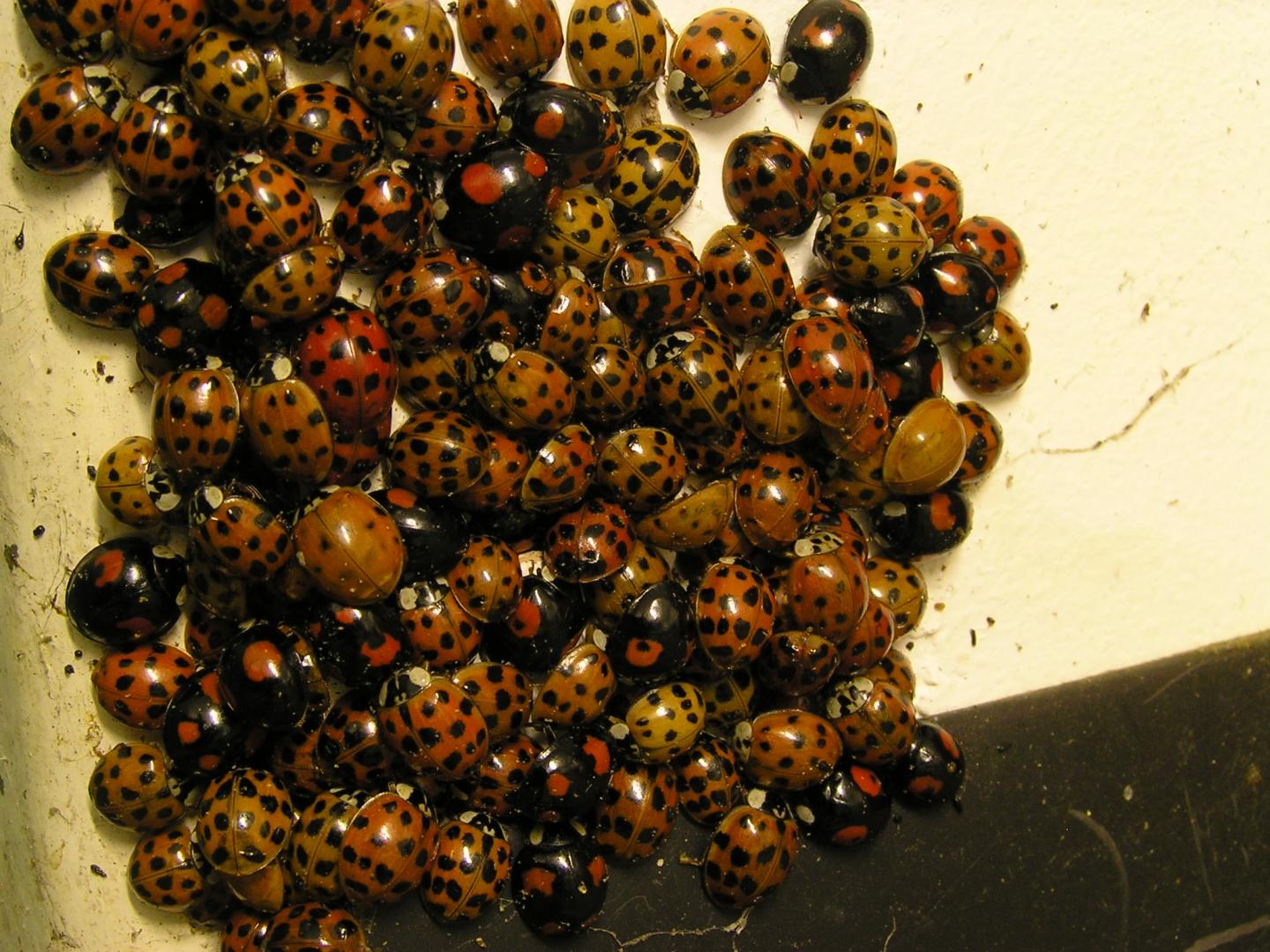
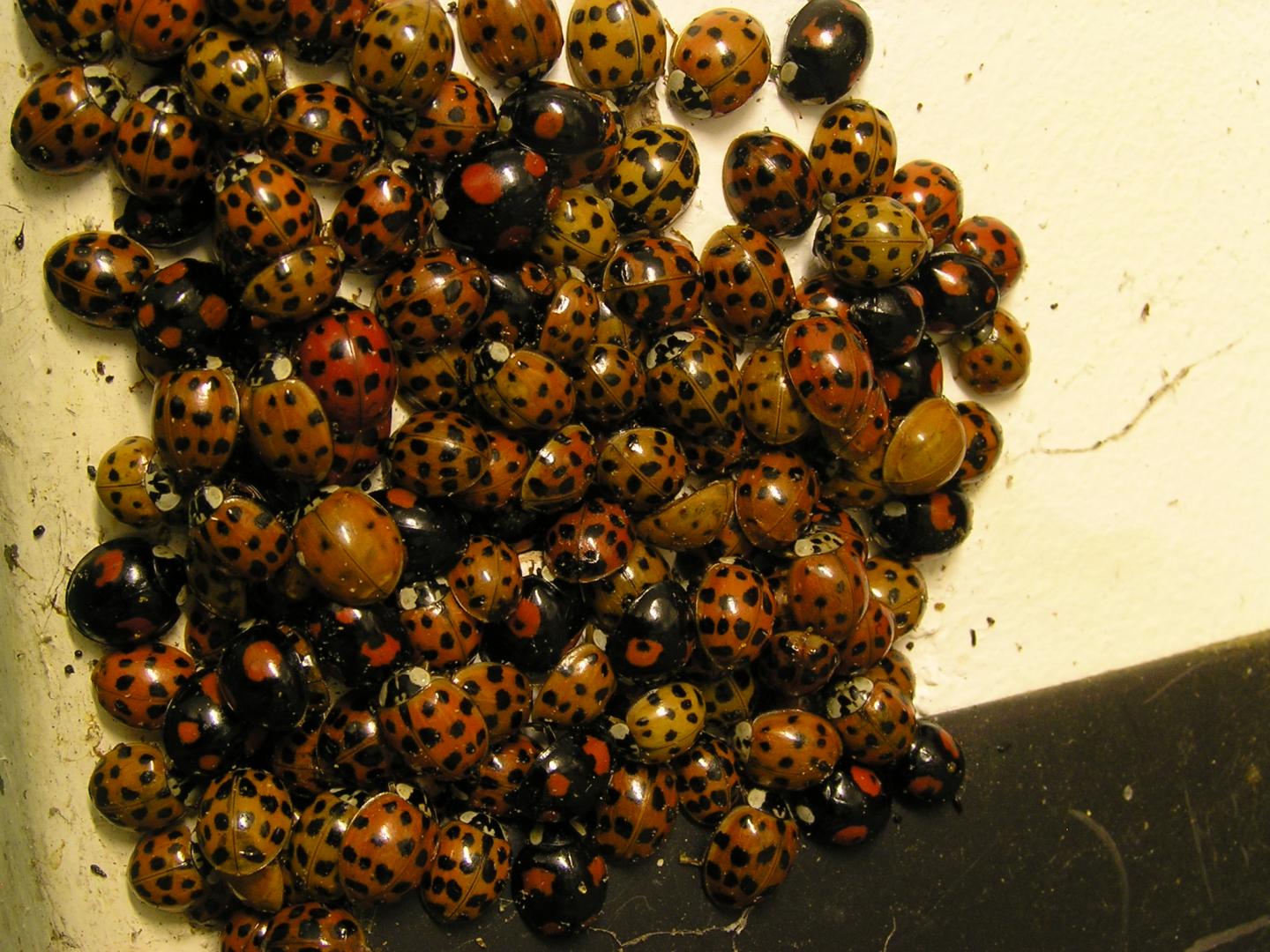
IMAGE

Credit: Please credit Nick Greatorex Davies

New research published in the Nature journal Scientific Data shows how the public can play a vital role in helping to track invasive species.

The journal has published data from the UK Ladybird Survey which shows how the harlequin ladybird, which is a species native to Asia, has spread across the country.

The harlequin ladybird was introduced to mainland Europe in the 1980s to control aphids. It was first reported in the UK in 2003 and is now outcompeting a number of smaller native ladybird species.

The new open access study maps 48,510 observations of the harlequin ladybird, submitted by the general public, spanning over a decade. Spreading at over 60 miles per year during the early stage of invasion, the observations show that harlequins are now widespread through England and Wales and increasingly being reported in the south of Scotland.

There have been few attempts to monitor the spread of invasive alien species systematically from the onset of the invasion process but the model used by the online UK Ladybird Survey, led by academics from Anglia Ruskin University and the Centre for Ecology & Hydrology, shows the important role that citizen science can play.

Rapid flow of information about the occurrence of invasive species is critical in order to take any effective action, and the citizen science approach developed through the UK Ladybird Survey is already being used for surveillance of other invasive non-native species, including the Asian hornet.

Lead author Dr Peter Brown, Senior Lecturer in Zoology at Anglia Ruskin University, said: "All these observations have made major contributions to our understanding of the ecology of the harlequin ladybird in the UK. We are now excited to see how others might use the model and the patterns of data to explore invasions by other species."

Co-lead Professor Helen Roy, from the Centre for Ecology & Hydrology, said: "It has been incredible to see the way in which so many people have got involved in tracking this invasion – it is a truly collaborative project. We have been able to answer many important ecological questions using this vast dataset. This would not have been possible without these inspiring citizen science contributions."

###

The full open access Scientific Data article contains a summary of the dataset, including methodology. The research was funded by the Natural Environment Research Council, the Joint Nature Conservation Committee and Defra, and the paper can be read here https://www.nature.com/articles/sdata2018239

Media Contact

Jon Green
[email protected]
44-012-456-84717

http://www.anglia.ac.uk

Related Journal Article

http://dx.doi.org/10.1038/sdata.2018.239

Share12Tweet7Share2ShareShareShare1

Related Posts

Conserved DNA Architect Links Chloroplasts to Cell Cycle

Conserved DNA Architect Links Chloroplasts to Cell Cycle

April 17, 2026
UTS Study Reveals Toxic Metal Exposure from E-Cigarette Devices

UTS Study Reveals Toxic Metal Exposure from E-Cigarette Devices

April 17, 2026

Can Exercise Help You Beat Stress Hormones? New Insights from a Clinical Trial

April 17, 2026

Regulatory Waves Govern a Key Developmental Gene

April 17, 2026
Please login to join discussion

POPULAR NEWS

  • Scientists Investigate Possible Connection Between COVID-19 and Increased Lung Cancer Risk

    62 shares
    Share 25 Tweet 16
  • NSF funds machine-learning research at UNO and UNL to study energy requirements of walking in older adults

    100 shares
    Share 40 Tweet 25
  • Boosting Breast Cancer Risk Prediction with Genetics

    47 shares
    Share 19 Tweet 12
  • Popular Anti-Aging Compound Linked to Damage in Corpus Callosum, Study Finds

    46 shares
    Share 18 Tweet 12

About

We bring you the latest biotechnology news from best research centers and universities around the world. Check our website.

Follow us

Recent News

TLR2, TLR8, TLR3 in Dengue Virus Enhancement

Emulating Vaccine Effectiveness in Previously Infected Kids

Mayo Clinic Researchers Pioneer Personalized Treatment Era for Meningioma Patients

Subscribe to Blog via Email

Enter your email address to subscribe to this blog and receive notifications of new posts by email.

Join 79 other subscribers
  • Contact Us

Bioengineer.org © Copyright 2023 All Rights Reserved.

Welcome Back!

Login to your account below

Forgotten Password?

Retrieve your password

Please enter your username or email address to reset your password.

Log In
No Result
View All Result
  • Homepages
    • Home Page 1
    • Home Page 2
  • News
  • National
  • Business
  • Health
  • Lifestyle
  • Science

Bioengineer.org © Copyright 2023 All Rights Reserved.