A new review published in Current Genetics argues that the answer to this growing crisis may lie not in the DNA sequence of these organisms, but in the chemical tags attached to the proteins around which their DNA is wound. The review, authored by Allyson M. Hardin, Christina M. Hardin, Gary D. Isaacs, and Michael S. Price and published on 22 October 2025, synthesizes decades of work showing that histone modifications—chiefly methylation and acetylation—regulate the growth, stress responses, virulence factor production, and toxin formation of opportunistic human pathogens such as Candida albicans, Cryptococcus neoformans, and Aspergillus fumigatus. Because these epigenetic enzymes control traits fungi need to cause disease, the authors contend they represent promising targets for an entirely new generation of antifungal therapies.
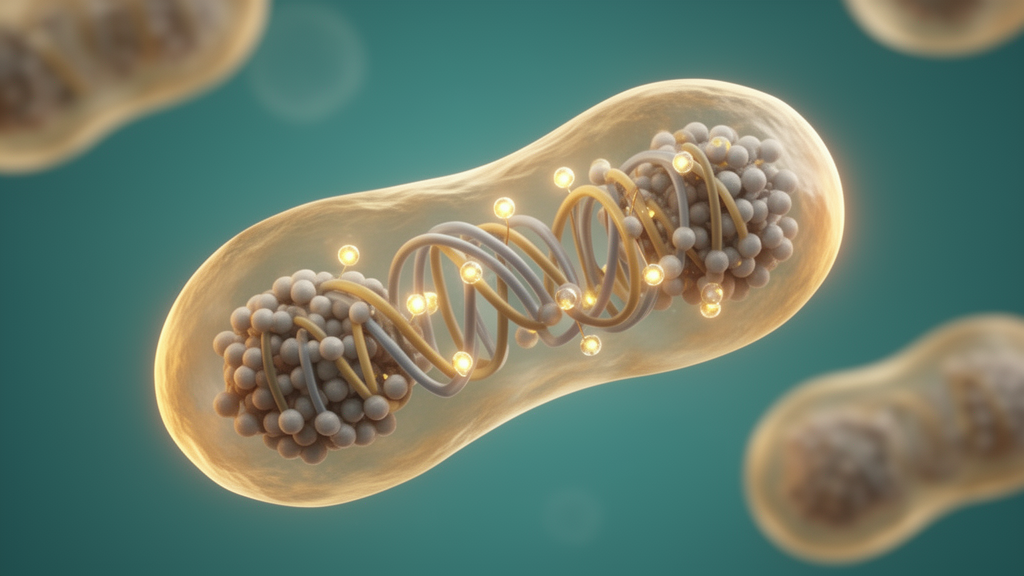
The logic of epigenetic regulation in fungi mirrors that of other eukaryotes. Fungal DNA is packaged into chromatin, with nucleosomes consisting of 146 base pairs of DNA wrapped around a histone complex containing two copies each of H2A, H2B, H3, and H4. Most modifications occur on the N-terminal tails of these histones. When histones are acetylated or methylated, specific stretches of DNA become more or less accessible to transcriptional machinery. Open, accessible chromatin—euchromatin—permits gene transcription, while closed heterochromatin does not.
Histone methylation is one of the two major mechanisms the review describes. Histone methyltransferases (HMTs) are classified into six groups, KMT1 through KMT6, each targeting particular lysine residues on histones H3 and H4. The KMT1 group, which includes the enzymes DIM-5 and ClrD, methylates H3K9 and is often associated with gene repression. The KMT2 group centers on SET1, a key component of the COMPASS complex that methylates H3K4, a mark associated exclusively with gene activation. Set2 of the KMT3 group methylates H3K36, while the yeast protein Dot1p of the KMT4 group methylates H3K79 within the globular histone domain rather than the tail. The KMT6 group, built around the Polycomb Repressive Complex 2 with its Ezh1 and Ezh2 methyltransferases, silences H3K27-marked regions, particularly secondary metabolite gene clusters. Notably, PRC2 is absent from Saccharomyces cerevisiae, which lacks such clusters, and also from Aspergillus and Penicillium species.
The consequences of methylation for pathogenicity are striking. In Candida albicans, Set1 is vital for virulence, mediating the response to reactive oxygen species produced by host cells during infection through expression of oxidative stress response and mitochondrial genes. In Cryptococcus neoformans, a critical priority fungal pathogen, Set1 and other COMPASS components are necessary for growth at high temperatures and for melanin production, both key virulence factors, although titan cell formation proceeds normally in COMPASS deletion strains. Methylation enzymes also govern basic biology: in the model fungus Neurospora crassa, the KMT1 enzyme DIM-5 is required for normal growth and fertility, and in Aspergillus fumigatus the ortholog AfClrD drives growth and conidiation, though knockout mutants show no change in macrophage uptake, suggesting host–pathogen interaction elements remain unaffected by its loss.
Arginine methylation adds a parallel layer of control. Protein arginine methyltransferases (PRMTs) can add up to three methyl groups to arginine residues, symmetrically or asymmetrically, with type I and type II enzymes being the most common. In Aspergillus nidulans, the type I enzyme RmtA and the type II enzyme RmtC both contribute to growth under oxidative stress, and RmtC additionally permits growth at elevated temperatures; knockout strains remain viable, hinting that PRMTs specialize in stress response rather than constant housekeeping pathways. In N. crassa, the type I enzymes amt-1 and amt-3 influence hyphal elongation and branching, and the Δamt-1 strain shows hypersensitivity to the antifungal voriconazole, suggesting a possible role in ergosterol synthesis. The type II enzyme skb-1 most prominently affects asexual sporulation and may contribute to chitin synthesis. In S. cerevisiae, the type I enzyme Rmt1 accounts for most arginine methylation but is not required for viability, while C. albicans possesses no known type II PRMT at all.
Demethylation counterbalances these marks through two known groups of histone demethylases: one that removes mono- and dimethyl groups from H3K4, and a Jumonji C domain family that removes methyl groups from H3K36 in an iron- and α-ketoglutarate-dependent reaction. The review highlights how these enzymes can tip the balance between growth and virulence. In C. neoformans, the demethylase Lsd1 acts on H3K4 and H3K9, producing gene repression or activation respectively, and is responsible for lipid accumulation in infected macrophages—so-called foamy macrophages—while preventing autophagy and lipid droplet breakdown, functions the authors describe as critical for the pathogenicity of this fungus. In A. fumigatus, KdmA demethylates H3K36 and is vital for normal growth, conidiation, and oxidative stress response, while KdmB, acting on H3K4, negatively regulates growth and conidiation; both enzymes are needed for resistance to the guanine synthesis inhibitor 6-azauracil, and KdmB may be a key virulence factor. Some demethylases, such as Jhd1 and Rph1 in S. cerevisiae, produce no obvious phenotype when deleted, suggesting overlapping or subtle functions.
Histone acetylation, by contrast, is considered an activating mark regardless of the amino acid targeted. Histone acetyltransferases (HATs) transfer acetyl groups from acetyl-CoA to lysine residues, neutralizing their positive charge and opening the chromatin. Two main HAT families exist in fungi, the GNAT family—whose flagship member Gcn5 anchors the SAGA complex—and the MYST family, which includes Sas2, Sas3, and Esa1, along with the structurally unusual Rtt109 that acetylates H3K56 and supports genome stability and oxidative stress resistance. The pathogenic roles are extensive: in C. albicans, loss of the SAGA component Ada2 increases sensitivity to menadione and hydrogen peroxide, decreases antioxidant gene expression, reduces histone acetylation, lowers azole tolerance, and diminishes virulence. Gcn5 itself is required for cell wall stress response, filamentous growth, and virulence in that yeast. In C. neoformans, gcn5 mutants cannot grow at high temperatures, respond to oxidative stress, form their polysaccharide capsule properly, or sporulate, rendering the strain avirulent in a murine infection model. In A. fumigatus, the HAT Sas3 maintains cell wall integrity and virulence, and deletion of rtt109 attenuates virulence while altering expression of genes involved in oxidation–reduction reactions, carbon metabolism, and DNA damage repair.
Histone deacetylases (HDACs) reverse these marks, restoring the positive charge on lysine, tightening DNA binding, and repressing transcription. Fungi carry Class I, II, and III HDACs; Class IV, represented by HDAC11 in humans, is absent. The review documents their deep involvement in virulence maintenance: in C. albicans, Rpd3p regulates the white/opaque phase transition in both directions, and Rpd3p, Rpd31p, Hda1, and Hos2 contribute to azole resistance through deacetylation of the protein Hsp90. The Set3 complex, anchored by Set3 with Hst1 and Hos2, inhibits the yeast-to-hyphae transition, promotes white-to-opaque switching, supports biofilm formation, and, notably, its deletion reduces virulence in infection models. In A. fumigatus, deletion of the HOS2 ortholog hosA attenuates virulence, and six sirtuin genes play influential, non-essential roles in cell wall integrity, secondary metabolite production, thermotolerance, and virulence. In C. neoformans, hos2 mutants show transiently reduced melanin production with reduced survival in macrophages and reduced virulence in a Galleria model, while Hda1 influences stress response, capsule formation, and melanin production. Intriguingly, attempts to restore wild-type genes in deletion mutants of the sirtuins Hst3 and Hst4 failed, likely because persistent epigenetic alterations following HDAC loss blocked phenotypic reversion.
The therapeutic implications form the review’s forward-looking core. Azole-resistant A. fumigatus was placed on the CDC’s Watch List of antibiotic-resistant threats in 2019, and the authors argue that histone-modifying enzymes offer a way forward. Early work showed that MGCD290, a Hos2 inhibitor, acts synergistically with fluconazole, posaconazole, and voriconazole against Candida species, Aspergillus species, and C. neoformans, and improved fluconazole activity against otherwise resistant molds. The HDAC inhibitors trichostatin A, apicidin, and sodium butyrate affected azole sensitivity in C. albicans, and in C. neoformans sodium butyrate and trichostatin A slowed growth, altered capsule size, impaired mating filaments, and inhibited melanin production, though the cells remained viable and virulence was unaffected. More recently, the designed hydroxamic acid compounds LDT536 and LDT537, modeled on vorinostat, inhibited fungal growth, showed synergy with fluconazole and voriconazole against C. albicans, reduced biofilm formation, and—unlike many HDAC inhibitors—could cross the blood–brain barrier without evidence of neurotoxicity, suggesting promise for treating fungal meningitis. Histone acetyltransferase inhibitors garcinol and anacardic acid phenocopied gcn5 mutant temperature sensitivity in C. neoformans and showed synergy with the calcineurin inhibitor FK506, though not with fluconazole. On the demethylase front, JIB-04 inhibited growth, capsule formation, and melanin production in C. neoformans, and the more potent compound A4, targeting H3K27, better suppressed cryptococcal virulence factors such as capsule and biofilm formation. The authors caution that much remains incomplete in the current catalog of histone modifications, but they conclude that targeting these critical enzymes will continue to yield insights and potential new antifungal therapies for these difficult-to-treat human pathogens.
Subject of Research: Epigenetic regulation of pathogenicity in fungi through histone modifications and its implications for antifungal drug development
Article Title: Epigenetic regulation of pathogenicity in fungi
Article References: Hardin, A. M., Hardin, C. M., Isaacs, G. D., & Price, M. S. (2025). Epigenetic regulation of pathogenicity in fungi. Current Genetics, 71(1), Article 25. https://doi.org/10.1007/s00294-025-01329-6
Image Credits: AI Generated
DOI: 10.1007/s00294-025-01329-6
Keywords: epigenetics, histone modification, fungal pathogenicity, antifungal resistance, histone acetyltransferase, histone deacetylase, Candida albicans, Cryptococcus neoformans, Aspergillus fumigatus, drug targets, chromatin, virulence
News Source: Roger Howard. (October 29, 2026). How Histone Tweaks Help Deadly Fungi Evade Drugs and Hosts. Scienmag.