

• HOME
  • NEWS
  • EXPLORE
    • CAREER
      • Companies
      • Jobs
    • EVENTS
    • iGEM
      • News
      • Team
    • PHOTOS
    • VIDEO
    • WIKI
  • BLOG
  • COMMUNITY
    • FACEBOOK
    • INSTAGRAM
    • TWITTER
Wednesday, May 13, 2026
BIOENGINEER.ORG
No Result
View All Result
  • Login
  • HOME
  • NEWS
  • EXPLORE
    • CAREER
      • Companies
      • Jobs
        • Lecturer
        • PhD Studentship
        • Postdoc
        • Research Assistant
    • EVENTS
    • iGEM
      • News
      • Team
    • PHOTOS
    • VIDEO
    • WIKI
  • BLOG
  • COMMUNITY
    • FACEBOOK
    • INSTAGRAM
    • TWITTER
  • HOME
  • NEWS
  • EXPLORE
    • CAREER
      • Companies
      • Jobs
        • Lecturer
        • PhD Studentship
        • Postdoc
        • Research Assistant
    • EVENTS
    • iGEM
      • News
      • Team
    • PHOTOS
    • VIDEO
    • WIKI
  • BLOG
  • COMMUNITY
    • FACEBOOK
    • INSTAGRAM
    • TWITTER
No Result
View All Result
Bioengineer.org
No Result
View All Result
Home NEWS Science News

Global warming poses threat to food chains

Bioengineer by Bioengineer
March 1, 2021
in Science News
Reading Time: 2 mins read
0
IMAGE
Share on FacebookShare on TwitterShare on LinkedinShare on RedditShare on Telegram

IMAGE

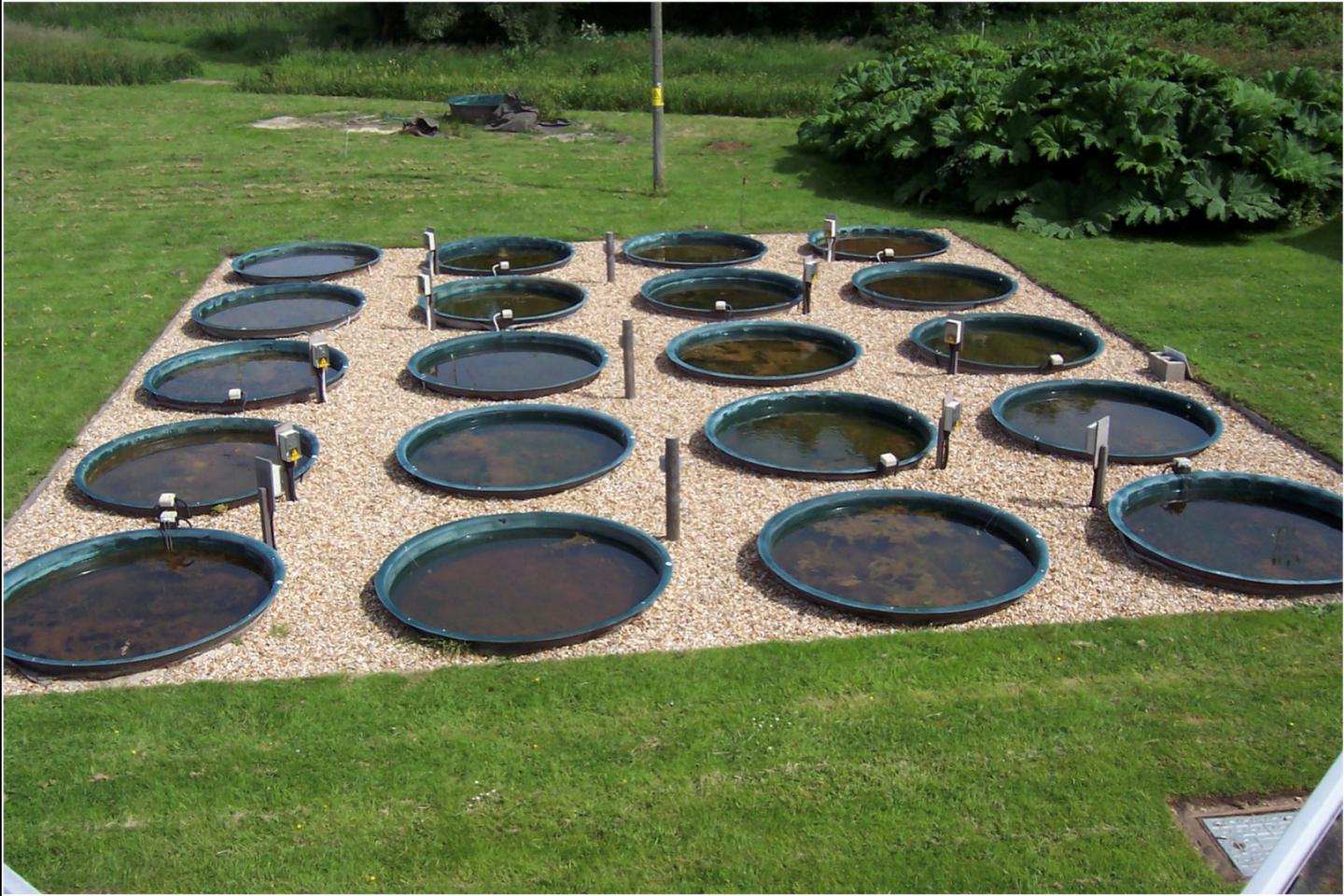
Credit: University of Exeter

Rising temperatures could reduce the efficiency of food chains and threaten the survival of larger animals, new research shows.

Scientists measured the transfer of energy from single-celled algae (phytoplankton) to small animals that eat them (zooplankton).

The study – by the University of Exeter and Queen Mary University of London, and published in the journal Nature – found that 4°C of warming reduced energy transfer in the plankton food webs by up to 56%.

Warmer conditions increase the metabolic cost of growth, leading to less efficient energy flow through the food chain and ultimately to a reduction in overall biomass.

“These findings shine a light on an under-appreciated consequence of global warming,” said Professor Gabriel Yvon-Durocher, of the Environment and Sustainability Institute on Exeter’s Penryn Campus in Cornwall.

“Phytoplankton and zooplankton are the foundation of food webs that support freshwater and marine ecosystems that humans depend on.

“Our study is the first direct evidence that the cost of growth increases in higher temperatures, limiting the transfer of energy up a food chain.”

Professor Mark Trimmer, of Queen Mary University of London, said: “If the effects we find in this experiment are evident in natural ecosystems, the consequences could be profound.

“The impact on larger animals at the top of food chains – which depend on energy passed up from lower down the food chain – could be severe. More research is needed.”

“In general, about 10% of energy produced on one level of a food web makes it up to the next level,” said Dr Diego Barneche, of the Australian Institute of Marine Science and the Oceans Institute at the University of Western Australia.

“This happens because organisms expend a lot of energy on a variety of functions over a lifetime, and only a small fraction of the energy they consume is retained in biomass that ends up being eaten by predators.

“Warmer temperatures can cause metabolic rates to accelerate faster than growth rates, which reduces the energy available to predators in the next level up the food web.”

The study measured nitrogen transfer efficiency (a proxy for overall energy transfer) in freshwater plankton that had been exposed to a seven-year-long outdoor warming experiment in the UK.

###

The paper is entitled: “Warming impairs trophic transfer efficiency in a long-term field experiment.”

Media Contact
Alex Morrison
[email protected]

Related Journal Article

http://dx.doi.org/10.1038/s41586-021-03352-2

Tags: BiodiversityBiologyClimate ChangeEcology/EnvironmentFisheries/AquacultureMarine/Freshwater BiologyNutrition/NutrientsPopulation BiologyZoology/Veterinary Science
Share12Tweet8Share2ShareShareShare2

Related Posts

Postmenopausal Women Face Increased Mortality Risk from Osteoporosis, New Research Shows — Medicine

Postmenopausal Women Face Increased Mortality Risk from Osteoporosis, New Research Shows

May 13, 2026

AI Predicts Hospital Admissions from Emergency Departments

May 13, 2026

Robust Magnetoelectric Backscatter System Boosts Bioelectronic Implants

May 13, 2026

Anti-Nogo-A Treatment Alters Spinal Cord Structure Post-Injury

May 13, 2026
Please login to join discussion

POPULAR NEWS

  • Research Indicates Potential Connection Between Prenatal Medication Exposure and Elevated Autism Risk

    842 shares
    Share 337 Tweet 211
  • New Study Reveals Plants Can Detect the Sound of Rain

    728 shares
    Share 290 Tweet 182
  • Salmonella Haem Blocks Macrophages, Boosts Infection

    62 shares
    Share 25 Tweet 16
  • Breastmilk Balances E. coli and Beneficial Bacteria in Infant Gut Microbiomes

    57 shares
    Share 23 Tweet 14

About

BIOENGINEER.ORG

We bring you the latest biotechnology news from best research centers and universities around the world. Check our website.

Follow us

Recent News

Postmenopausal Women Face Increased Mortality Risk from Osteoporosis, New Research Shows

AI Predicts Hospital Admissions from Emergency Departments

Robust Magnetoelectric Backscatter System Boosts Bioelectronic Implants

Subscribe to Blog via Email

Enter your email address to subscribe to this blog and receive notifications of new posts by email.

Join 82 other subscribers
  • Contact Us

Bioengineer.org © Copyright 2023 All Rights Reserved.

Welcome Back!

Login to your account below

Forgotten Password?

Retrieve your password

Please enter your username or email address to reset your password.

Log In
No Result
View All Result
  • Homepages
    • Home Page 1
    • Home Page 2
  • News
  • National
  • Business
  • Health
  • Lifestyle
  • Science

Bioengineer.org © Copyright 2023 All Rights Reserved.

