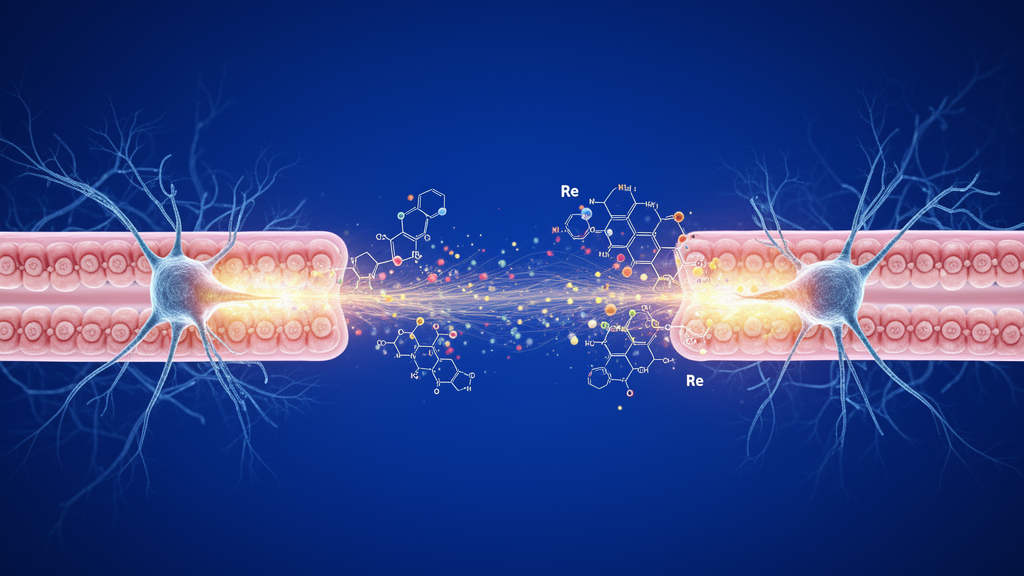
A recent study published in npj Science of Food demonstrates that Ginsenoside Re (GsRe), a component found in ginseng, exerts neuroprotective effects in a mouse model of Parkinson’s disease (PD) through the modulation of the gut-brain axis. Researchers investigated the molecular mechanisms by which total ginsenosides and GsRe mitigate neurodegeneration induced by 1-methyl-4-phenyl-1,2,3,6-tetrahydropyridine (MPTP). The findings indicate that treatment with these compounds effectively ameliorated motor deficits and significantly reduced the loss of dopaminergic neurons in the substantia nigra pars compacta.
The study highlights a complex gut-brain axis interaction where GsRe acts as an integrated hub. Analysis revealed that the treatment helped restore intestinal barrier integrity and reversed the gut dysbiosis typically associated with MPTP-induced PD. By normalizing gut microecology, the researchers observed a decrease in the translocation of peripheral inflammatory signals, which in turn helped suppress neuroinflammation in the central nervous system.
Mechanistically, GsRe was shown to cross the blood-brain barrier, leading to the upregulation of brain-derived neurotrophic factor (BDNF). This increase in BDNF levels plays a critical role in inhibiting the TLR4 adaptor WDFY1, which subsequently blocks excessive NFκB activation. The researchers observed that this pathway modulation effectively inhibited M1 microglial polarization and reduced neuronal apoptosis in the brain. Conversely, evidence of BDNF deficiency exacerbated TLR4 pathway hyperactivation, reinforcing the hypothesis that BDNF serves as a regulatory link in TLR4-mediated neuroinflammation.
While these results provide a mechanistic basis for Ginsenoside-based interventions in Parkinson’s disease, the scope of the study is confined to an MPTP-induced mouse model. The research reveals how GsRe alleviates neuroinflammation through the concurrent modulation of gut microbiota composition and the BDNF/TLR4 signaling pathway. These observations contribute to the growing understanding of the gut-brain axis as a potential target for addressing neurodegenerative pathologies, although further human clinical research will be necessary to validate these observations in patients.
Ginseng has traditionally served as an edible and medicinal resource, showing therapeutic potential in neurodegenerative conditions like Parkinson disease through its active components. To clarify these protective qualities, researchers systematically evaluated both total ginsenosides and isolated ginsenoside Re, establishing their molecular underpinnings along the gut brain axis.
The investigation showed that brain derived neurotrophic factor modulates receptor mediated neuroinflammation, directly driving the neuroprotective activity of ginsenoside Re. By integrating peripheral microecology regulation with central pathway suppression, these findings demonstrate how edible botanical compounds provide a clear framework for targeted Parkinson interventions.
Subject of Research: Neuroprotective role of Ginsenoside Re in a Parkinson's disease model
Article Title: The Gut Microbiota/Gut Brain/BDNF Axis Mediates Ginsenoside Re’s Neuroprotection in Parkinson’s Disease
Article References: Tang, M., Zhang, F., Liang, Z., Tian, J., Guo, D., Gong, J., Gao, W., & Yang, Z. (2026). The Gut Microbiota/Gut Brain/BDNF Axis Mediates Ginsenoside Re’s Neuroprotection in Parkinson’s Disease. npj Science of Food. https://doi.org/10.1038/s41538-026-01210-x
Image Credits: AI Generated
DOI: 10.1038/s41538-026-01210-x
Keywords: Ginsenoside Re, Parkinson's disease, Gut-brain axis, Neuroprotection, BDNF, TLR4, WDFY1, Neuroinflammation, Microbiota, Dopaminergic neurons, Motor deficits, MPTP model, M1 microglial polarization, Neuronal apoptosis, Gut dysbiosis, Intestinal barrier integrity, Traditional medicine, Neurodegenerative research
News Source: Cassandra Pierce. (November 18, 2026). Ginsenoside Re Protects Dopaminergic Neurons Through Gut-Brain Axis Modulation. Scienmag.