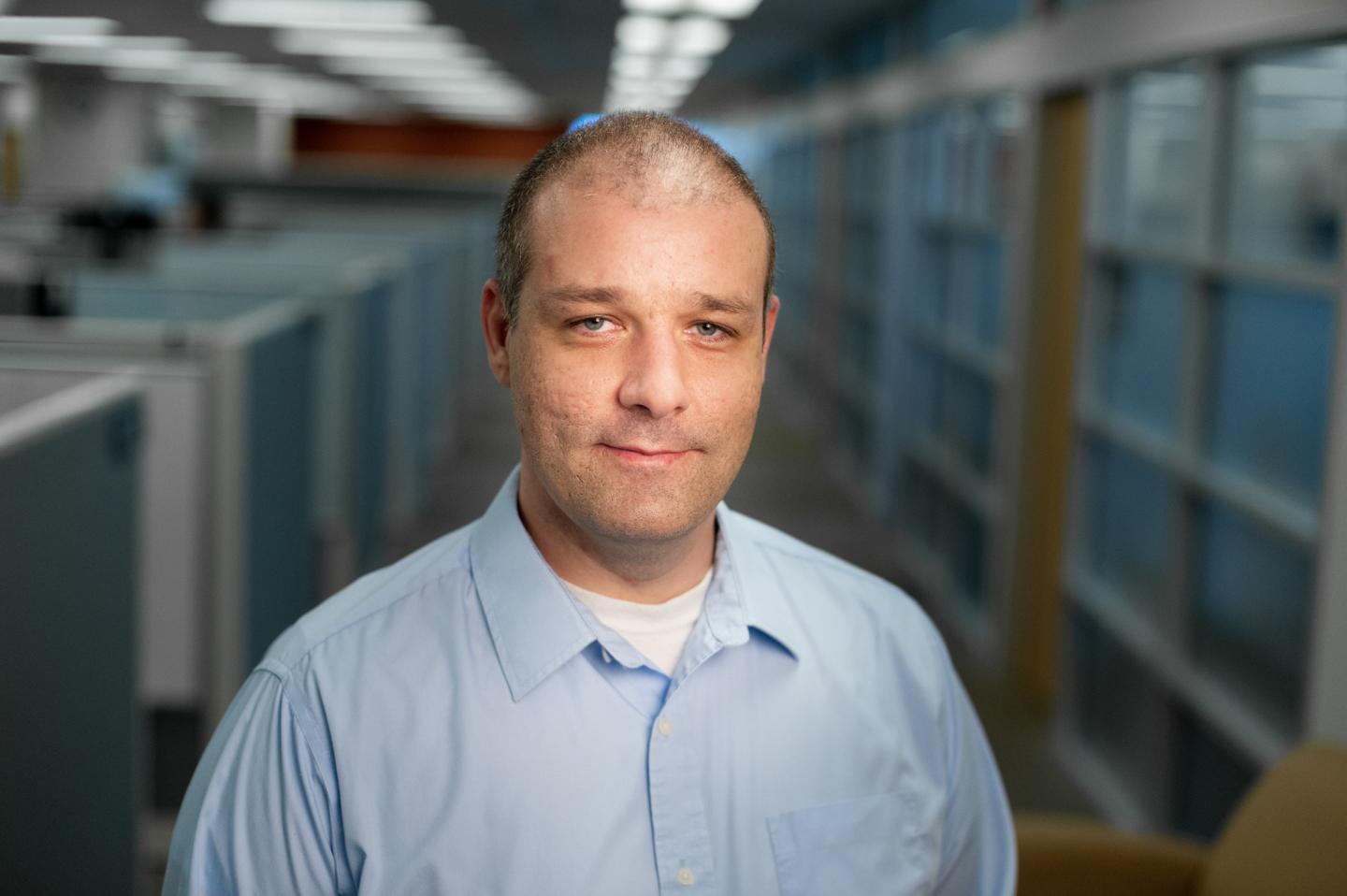
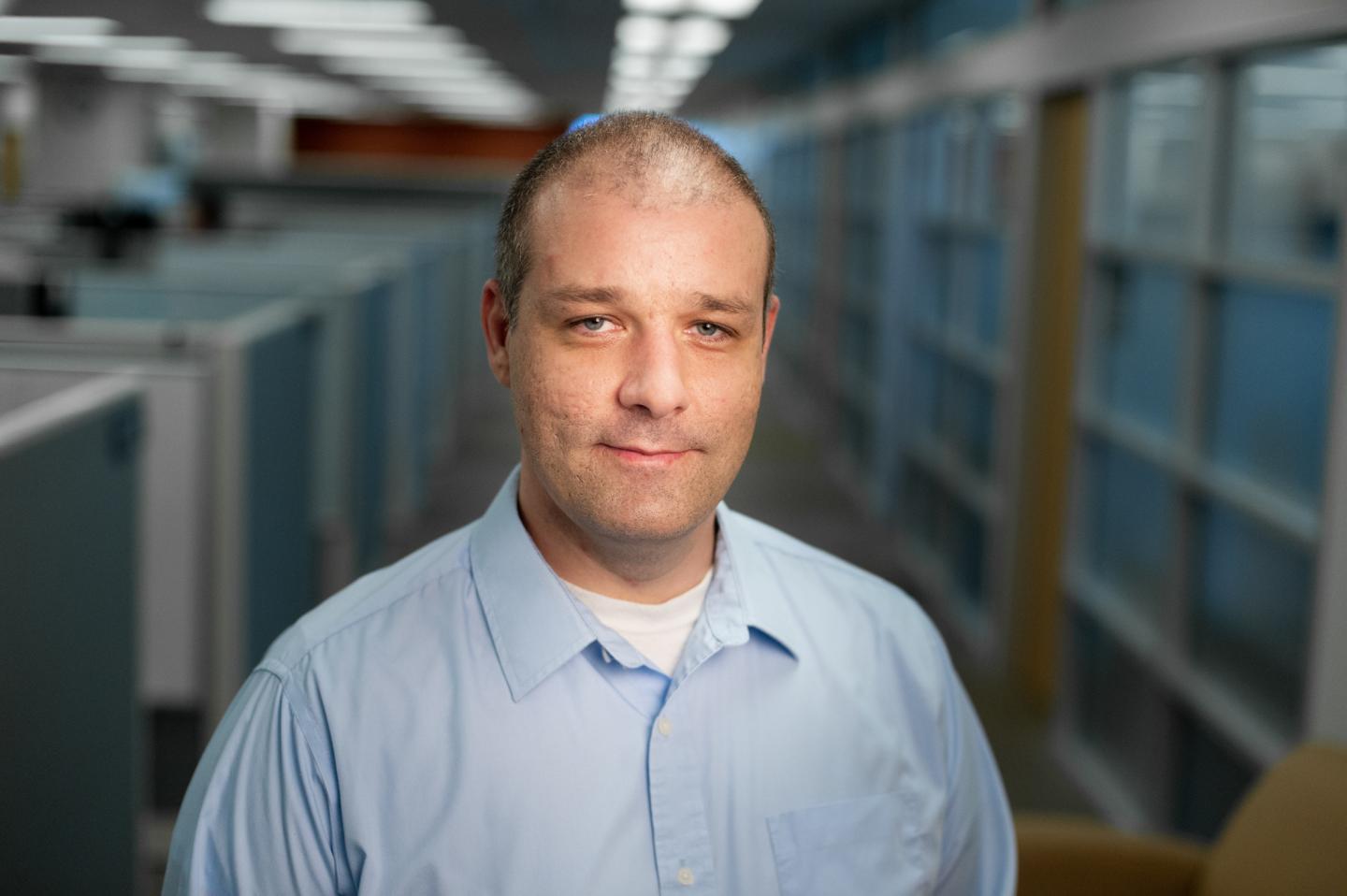
Credit: Dr. Newman
SAN DIEGO, Calif. – Comprehensive genetic testing of tumors and non-cancerous tissue from pediatric cancer patients is a feasible and clinically useful approach that can guide patient care, according to findings presented at the American Society of Human Genetics (ASHG) 2018 Annual Meeting in San Diego, Calif.
Presenting author Scott Newman, PhD; Jinghui Zhang, PhD; and Kim Nichols, MD, along with an interdisciplinary team at St. Jude Children's Research Hospital, studied 253 pediatric oncology patients with a variety of cancers. In 79 percent of cases, there was at least one finding that could help guide care by providing a diagnosis, revealing patient-specific risks, or identifying drug targets.
The researchers conducted whole genome sequencing (WGS), whole exome sequencing (WES), and RNA sequencing of the patients' tumors, as well as WGS and WES of non-cancerous tissue from the same patient. WGS involves sequencing of the patient's complete genome, while WES involves sequencing those portions that are transcribed into mRNA, most of which codes for proteins.
This work was part of the Genomes for Kids study (G4K), a large effort to understand how best to use genetic data for pediatric cancer diagnosis and treatment. Differing from other studies that require a specific diagnosis to participate, this study had no prerequisite beyond the presence of adequate tumor tissue for testing.
"To my knowledge, this is the first study to offer comprehensive sequencing prospectively for all new patients with adequate samples," said Dr. Nichols. She also noted that the diversity of cancers tested helped to verify the relationships between genetic variants and disease.
Dr. Zhang and her colleagues developed software pipelines and analysis methods to identify the most clinically relevant variants. Most of their findings were structural rearrangements of DNA within or between chromosomes, and thus would have been challenging to detect (or not detected at all) using other, less comprehensive methods.
With an eye to implementation, the researchers also showed that this comprehensive testing would not overburden the analysis process, and that information could be provided within about 40 days, a time frame short enough to be of clinical value. Dr. Newman expressed that their work started out as a feasibility study, but it became clear that in many patients, the results were applicable to treatment decisions. Looking forward, the researchers hope their findings will lead to the adoption of WGS for all pediatric cancer patients.
"With results available in a clinically relevant time frame, and pricing becoming increasingly comparable to the radiology and pathology tests, WGS is becoming more accessible to pediatric oncology patients," said Dr. Newman.
St. Jude has compiled the information from G4K into a publicly accessible online database, encouraging global collaboration and further analysis of their data. They have continued to perform sequencing on current patients, and since the original study ended, have successfully used this method on roughly 300 additional patients. The team plans to continue studying sequencing methods, in hopes of producing clinically applicable data in an even more timely manner.
###
Presentation: Dr. Newman will present this research on Wednesday, October 17, 2018, from 5:30-5:45 p.m., in Ballroom 20BC, Upper Level, San Diego Convention Center.
Press Availability: Dr. Newman will be available to discuss this research with interested media on Wednesday, October 17, 2018, from 3-3:45 p.m. in the ASHG 2018 Press Office (Room 22).
Reference: Newman S et al. (2018 Oct 17). Abstract: Sequencing of whole genome, exome and transcriptome for pediatric precision oncology: Somatic variants and actionable findings from 253 patients enrolled in the Genomes for Kids study. Presented at the American Society of Human Genetics 2018 Annual Meeting. San Diego, California.
Media Contact
Ann Klinck
[email protected]
301-634-7342
@GeneticsSociety
Original Source
http://www.ashg.org/press/201810-pediatric-sequencing.shtml