The small intestine is a marvel of biological engineering, tasked with the immense responsibility of absorbing a vast array of nutrients while simultaneously serving as a critical barrier against the thousands of environmental insults it encounters every day. For centuries, anatomists and physiologists have appreciated that the small intestine is not a homogenous tube but rather a strikingly regionalized organ. Nevertheless, the intricate details of how the small intestine achieves this division of labor across its length — both at the molecular and cellular levels — have only recently begun to crystallize into a coherent framework.
Recent research has brought transformative clarity to the landscape of small intestinal function by mapping the spatial organization of nutrient absorption and epithelial defense mechanisms within this vital organ. This emerging body of knowledge reveals that the small intestine is intricately zonated, both longitudinally and along the apical-basal axis of its epithelial cells. Far from being a simple conduit, this segment of the gut exhibits highly specialized regions, each uniquely equipped with gene expression profiles, signaling pathways, and epigenetic marks that define their role in digestion and protection.
Such zonation is not merely a developmental artifact but a robust, actively maintained feature that persists throughout adulthood. The establishment of regionally distinct gene expression patterns is orchestrated during development by a complex interplay of developmental signals, transcription factors, and epigenetic modifications. These molecular determinants ensure that the proximal, mid, and distal portions of the small intestine execute specialized tasks optimized for processing diverse nutrients, from sugars and amino acids to lipids and micronutrients.
Simultaneously, apical-basal compartmentalization within individual epithelial cells further fine-tunes absorptive processes and barrier functions. This polarized organization supports an elegant division of labor between nutrient uptake at the villus tip and immune surveillance and regeneration at the crypt base. The spatial arrangement ensures efficient absorption while preserving the integrity of the epithelial barrier, protecting against pathogens and toxins, a balance that is critical for maintaining gut homeostasis.
Technological advances such as spatial transcriptomics and single-cell sequencing have been pivotal in dissecting the molecular blueprint of small intestinal epithelium. These techniques allow scientists to deconvolute complex gene expression patterns with high spatial precision, revealing that even adjacent zones along the intestine display distinct cellular populations and unique molecular signatures. This precision has provided unprecedented insights into how the gut adapts and maintains its functional compartments.
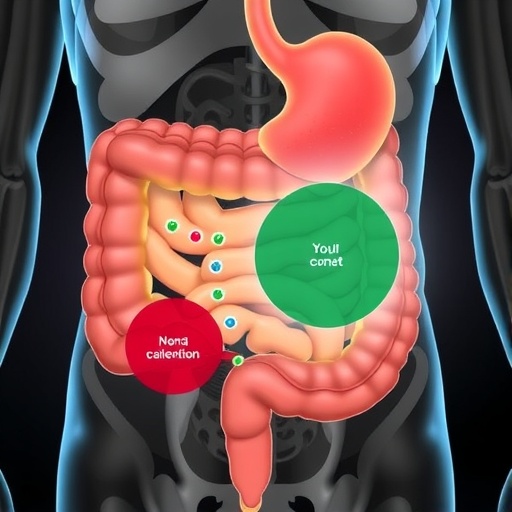
On the functional front, this regional organization translates into distinct modes of nutrient absorption. For example, the duodenum specializes in the absorption of iron and calcium, while the jejunum is geared toward absorbing carbohydrates and amino acids efficiently. The ileum, in turn, specializes in bile acid and vitamin B12 uptake. These functional divisions correspond tightly with differential gene expression and transporter localization, depicting a tightly integrated system optimized for maximal nutrient retrieval.
Importantly, the functional compartmentalization extends beyond nutrient absorption to encompass protection and immune responses. The small intestine must mount rapid and localized responses to microbial invasion and dietary antigens without compromising its absorptive efficiency. The spatially defined zones facilitate the coexistence of these seemingly opposing functions, mediated by locally tuned immune cells and epithelial interactions shaped by molecular cues.
Understanding this natural zonation is not just of academic interest but has profound implications for gastrointestinal diseases. Many disorders preferentially affect certain regions of the small intestine, illuminating the fact that the local tissue environment profoundly impacts disease pathogenesis. Conditions such as celiac disease typically target the proximal small intestine, while Crohn’s disease often involves the terminal ileum. Deciphering the molecular architecture of these zones may unlock novel therapeutic targets tailored to the regional vulnerabilities of the gut.
The maintenance of zonated gene expression into adulthood highlights the dynamic nature of the intestinal epithelium, which constantly renews itself yet preserves regional identity. Epigenetic mechanisms, including DNA methylation and histone modifications, appear to act as molecular “memory” systems, ensuring that newly generated epithelial cells inherit the correct gene expression patterns specific to their region. This stability is crucial, as disruptions in zonation could lead to malabsorption or increased susceptibility to disease.
Developmentally, gradients of morphogens such as Wnt, BMP, and Hedgehog pathways establish the initial blueprint of small intestinal zonation. These signals regulate transcription factors that specify epithelial cell type and function along the intestine’s length. Subsequent refinement by environmental factors, including diet and the microbiota, further modulates these regional identities, demonstrating a fascinating intersection of genetics and external influences in shaping gut function.
Furthermore, the epithelial cells’ polarity, from apical microvilli involved in nutrient uptake to basal domains interfacing with underlying tissues, is critical in segregating metabolic and defensive functions. This axis is reinforced by cell junctions and trafficking machinery that regulate protein and lipid distribution, enabling different functional compartments within the same cell to operate with remarkable autonomy.
The increasing resolution of mapping techniques also reveals that small intestinal zonation is mirrored at the level of the stromal and immune microenvironment, which interact with the epithelium to potentiate regional specialization. The cross-talk between immune cells, fibroblasts, and epithelial compartments creates micro-niches finely tuned to support unique metabolic and immunological functions, emphasizing the organ’s complexity.
This paradigmatic shift in our understanding of small intestinal biology underscores how regional specialization underpins critical physiological processes. It opens up exciting avenues for precision medicine approaches targeting specific intestinal segments or cell types, potentially altering the treatment landscape for a host of gastrointestinal diseases by harnessing the organ’s inherent zonal biology.
With the field advancing rapidly, future research will likely focus on how external insults like diet, microbiota shifts, and chronic inflammation disrupt small intestinal zonation and how these disruptions contribute to diseases such as inflammatory bowel disease and malabsorptive syndromes. Understanding the resilience and plasticity of zonation could inform new interventions aimed at restoring healthy intestinal function.
In summary, the small intestine’s regional organization is a testament to biological specialization, illustrating how spatially confined gene expression and cellular functions collaborate to balance the dual imperatives of nutrient absorption and barrier defense. The refined molecular and cellular map of this organ reshapes our conception of gut physiology and disease, highlighting the importance of viewing the small intestine not as a simple vessel but as a highly orchestrated, compartmentalized landscape.
As this groundbreaking research unfurls, it challenges existing paradigms and sets the stage for innovative therapeutic strategies. By embracing the small intestine’s natural zonation, clinicians and researchers can better understand the nuances of digestive health and pathology, ultimately improving outcomes in diseases that have long challenged medicine. This insight into the architectural and functional compartmentalization of the gut is poised to transform our relationship with one of our body’s most crucial yet complex organs.
Subject of Research:
Spatial and molecular regional organization of nutrient absorption across the small intestine, including epigenetic, transcriptional, and functional zonation in epithelial cells and its implications for gastrointestinal physiology and diseases.
Article Title:
Regional organization of nutrient absorption across the small intestine
Article References:
Zwick, R.K., Sharpley, M., Rispal, J. et al. Regional organization of nutrient absorption across the small intestine. Nat Rev Gastroenterol Hepatol (2026). https://doi.org/10.1038/s41575-026-01225-5
Image Credits: AI Generated
Tags: adult small intestine functional zonationapical-basal axis in intestinal cellsepigenetic regulation in gutgene expression in small intestineintestinal barrier defense mechanismsintestinal epithelial cell functionintestinal signaling pathwayslongitudinal zonation in gutmolecular basis of digestionregional specialization of small intestinesmall intestine nutrient absorption zonesspatial organization of nutrient uptake