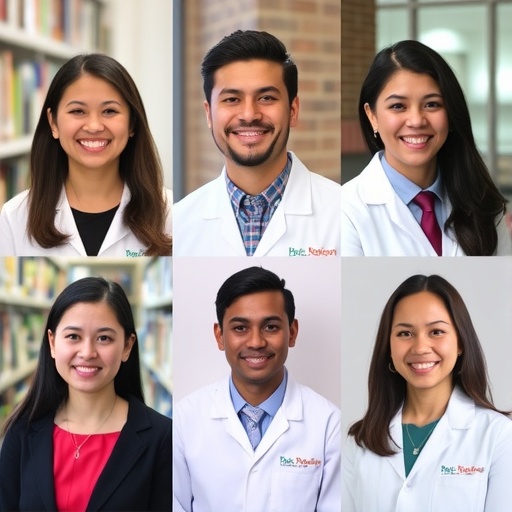
PHILADELPHIA — In a significant stride toward combating cancer’s relentless impact on global health, The Pew Charitable Trusts together with the Alexander and Margaret Stewart Trust have unveiled the 2025 cohort of the Pew-Stewart Scholars Program for Cancer Research. This distinguished initiative, now in its 12th year, aims to empower early-career scientists who exhibit exceptional promise in unraveling the molecular enigmas of cancer and innovating therapeutic strategies. Each of the five selected investigators will receive comprehensive four-year grants to propel groundbreaking projects that address a spectrum of critical challenges within oncology, from cancer genesis to sophisticated treatment modalities.
Cancer remains one of the most complex biological adversaries, characterized by heterogeneous genetic landscapes and evolving cellular microenvironments that thwart conventional therapies. The Pew-Stewart Scholars stand at the forefront of research, endeavoring to decode the intricate biological mechanisms underpinning malignancies that have historically resisted thorough comprehension or effective intervention. By strategically funding these emerging leaders, the program galvanizes progress toward transformative solutions that could redefine clinical outcomes for patients worldwide.
Among the selected scientists is Dr. Iain Clark of the University of California, Berkeley, whose exploration targets mixed phenotype acute leukemia (MPAL). MPAL represents a formidable subtype of leukemia distinguished by its genetic ambiguity and aggressive course, often eluding precise diagnostic categorization and curative treatments. Dr. Clark’s research delves into the genomic anomalies and lineage plasticity that foster the emergence of this high-mortality leukemia variant. His work seeks to illuminate the molecular circuitry driving MPAL pathogenesis, laying the groundwork for novel therapeutic targets capable of disrupting its lethal progression.
.adsslot_wq2PV4nCKl{ width:728px !important; height:90px !important; }
@media (max-width:1199px) { .adsslot_wq2PV4nCKl{ width:468px !important; height:60px !important; } }
@media (max-width:767px) { .adsslot_wq2PV4nCKl{ width:320px !important; height:50px !important; } }
ADVERTISEMENT
At Boston Children’s Hospital, Dr. Ryan Flynn embarks on an ambitious inquiry into the regulatory roles of non-coding RNAs and associated protein complexes in cancer cell physiology. This research melds the rapidly evolving fields of RNA biology and oncology, focusing on how RNA-protein interactions modulate gene expression networks that govern tumor cell behavior and survival. By elucidating these mechanisms, Dr. Flynn aspires to identify molecular vulnerabilities that could be exploited to develop targeted cancer therapies with enhanced efficacy and specificity.
Turning to hematologic malignancies, Dr. Anna Nam from Weill Cornell Medicine concentrates on the genetic determinants that govern the clinical heterogeneity observed in Hodgkin and non-Hodgkin lymphomas. By dissecting the molecular variants and epigenetic landscapes that influence disease manifestation and progression, Dr. Nam intends to refine prognostic models and enhance personalized treatment strategies. Such advancements are poised to improve patient stratification and optimize therapeutic interventions in these complex lymphoid cancers.
Immunotherapy has revolutionized cancer treatment by harnessing the body’s own defenses; however, its precision and effectiveness remain limited in several cancer types. Dr. Bingfei Yu of the University of Southern California explores the pivotal role T cells play in sculpting the immune milieu to better recognize and target malignant cells. His investigation into T cell receptor signaling and antigen recognition aims to innovate precision immunotherapies that not only elevate anti-tumor immunity but also circumvent immune evasion tactics employed by cancers. Advancements here could lead to bespoke immune-based treatments with broader applicability and durability.
The collective research themes pursued by the Pew-Stewart Scholars reflect an integrative approach spanning genomics, transcriptomics, metabolism, and immunology, underpinned by cutting-edge technologies such as single-cell sequencing, CRISPR-mediated gene editing, and advanced bioinformatics. These methodologies enable unprecedented resolution in characterizing tumor heterogeneity, elucidating cellular interactions within the tumor microenvironment, and identifying actionable molecular targets.
Donna Frisby-Greenwood, senior vice president for Philadelphia and scientific advancement at The Pew Charitable Trusts, underscored the enduring imperative of cancer research. “Cancer continues to have a profound impact on the lives of so many, but scientific advancements hold hope for improving how we diagnose and treat the disease,” she said. Her remarks resonate deeply given that cancer’s complexity demands sustained investment in rigorous, innovative science.
Complementing this sentiment, Helen Piwnica-Worms, Ph.D., chair of the Pew-Stewart program’s national advisory committee, highlighted the transformative potential embodied by this new class of scholars. “These five outstanding investigators exemplify the pioneering spirit needed to overcome the most daunting challenges in cancer research,” Piwnica-Worms stated. She emphasized the collaborative platform the program offers, connecting scientists who will collectively accelerate the translation of discoveries into clinical breakthroughs.
The Pew-Stewart Scholars Program epitomizes a model of strategic philanthropic support that catalyzes novel cancer research trajectories at critical junctures in investigators’ careers. By concentrating resources on those poised to make seminal contributions, the program enhances the likelihood of major advances that could shift paradigms in cancer biology and therapeutics.
As these early-career scientists embark on their projects, the biomedical research community anticipates that their insights will advance precision oncology approaches, refine biomarker development, and expand the arsenal of effective, tailored cancer treatments. Their work addresses not only cancer’s cellular and molecular underpinnings but also the translational hurdles necessary to improve diagnostic accuracy and treatment responsiveness.
The impact of such research is profound, offering hope to millions affected by cancer globally. By decoding complex tumor biology and immune interactions, Drs. Clark, Flynn, Garcia-Bermudez, Nam, and Yu contribute essential knowledge and innovation vital to realizing future cures. Their research journeys, supported by the Pew-Stewart Scholars Program, herald a future where cancer’s devastating toll is mitigated through scientific excellence and collaboration.
Founded in 1948, The Pew Charitable Trusts continues to harness data-driven insights to tackle ever-evolving global challenges. Its steadfast commitment to advancing ambitious projects positions it as a catalyst in the fight against cancer, fostering an environment where transformative discoveries flourish.
Subject of Research: Cancer development, diagnosis, and treatment with a focus on leukemia, lymphomas, tumor metabolism, RNA-protein interactions, and immunotherapy.
Article Title: The 2025 Pew-Stewart Scholars: Pioneering Next-Generation Cancer Research
News Publication Date: 2024
Web References:
The Alexander and Margaret Stewart Trust: https://www.stewart-trust.org/
Pew Charitable Trusts: https://www.pewtrusts.org/
Keywords: Cancer research, blood cancer, leukemia, lymphoma, cancer immunology, cancer treatments, metastasis, RNA biology, tumor metabolism, immunotherapy, precision oncology, tumor microenvironment
Tags: advancing oncology research initiativescancer research fundingcomprehensive cancer research grantsearly-career scientists in oncologygenetic landscapes of cancerglobal health impact of cancerinnovative cancer therapiesmixed phenotype acute leukemia researchmolecular mechanisms of cancerovercoming cancer treatment challengesPew-Stewart Scholars Programtransformative solutions in cancer treatment