• HOME
  • NEWS
  • EXPLORE
    • CAREER
      • Companies
      • Jobs
    • EVENTS
    • iGEM
      • News
      • Team
    • PHOTOS
    • VIDEO
    • WIKI
  • BLOG
  • COMMUNITY
    • FACEBOOK
    • INSTAGRAM
    • TWITTER
Thursday, July 2, 2026
BIOENGINEER.ORG
No Result
View All Result
  • Login
  • HOME
  • NEWS
  • EXPLORE
    • CAREER
      • Companies
      • Jobs
        • Lecturer
        • PhD Studentship
        • Postdoc
        • Research Assistant
    • EVENTS
    • iGEM
      • News
      • Team
    • PHOTOS
    • VIDEO
    • WIKI
  • BLOG
  • COMMUNITY
    • FACEBOOK
    • INSTAGRAM
    • TWITTER
  • HOME
  • NEWS
  • EXPLORE
    • CAREER
      • Companies
      • Jobs
        • Lecturer
        • PhD Studentship
        • Postdoc
        • Research Assistant
    • EVENTS
    • iGEM
      • News
      • Team
    • PHOTOS
    • VIDEO
    • WIKI
  • BLOG
  • COMMUNITY
    • FACEBOOK
    • INSTAGRAM
    • TWITTER
No Result
View All Result
Bioengineer.org
No Result
View All Result
Home NEWS Science News Cancer

Escort service: The role of immune cells in the formation of metastases

Bioengineer by Bioengineer
February 6, 2019
in Cancer
Reading Time: 2 mins read
0
IMAGE
Share on FacebookShare on TwitterShare on LinkedinShare on RedditShare on Telegram

IMAGE

Credit: University of Basel


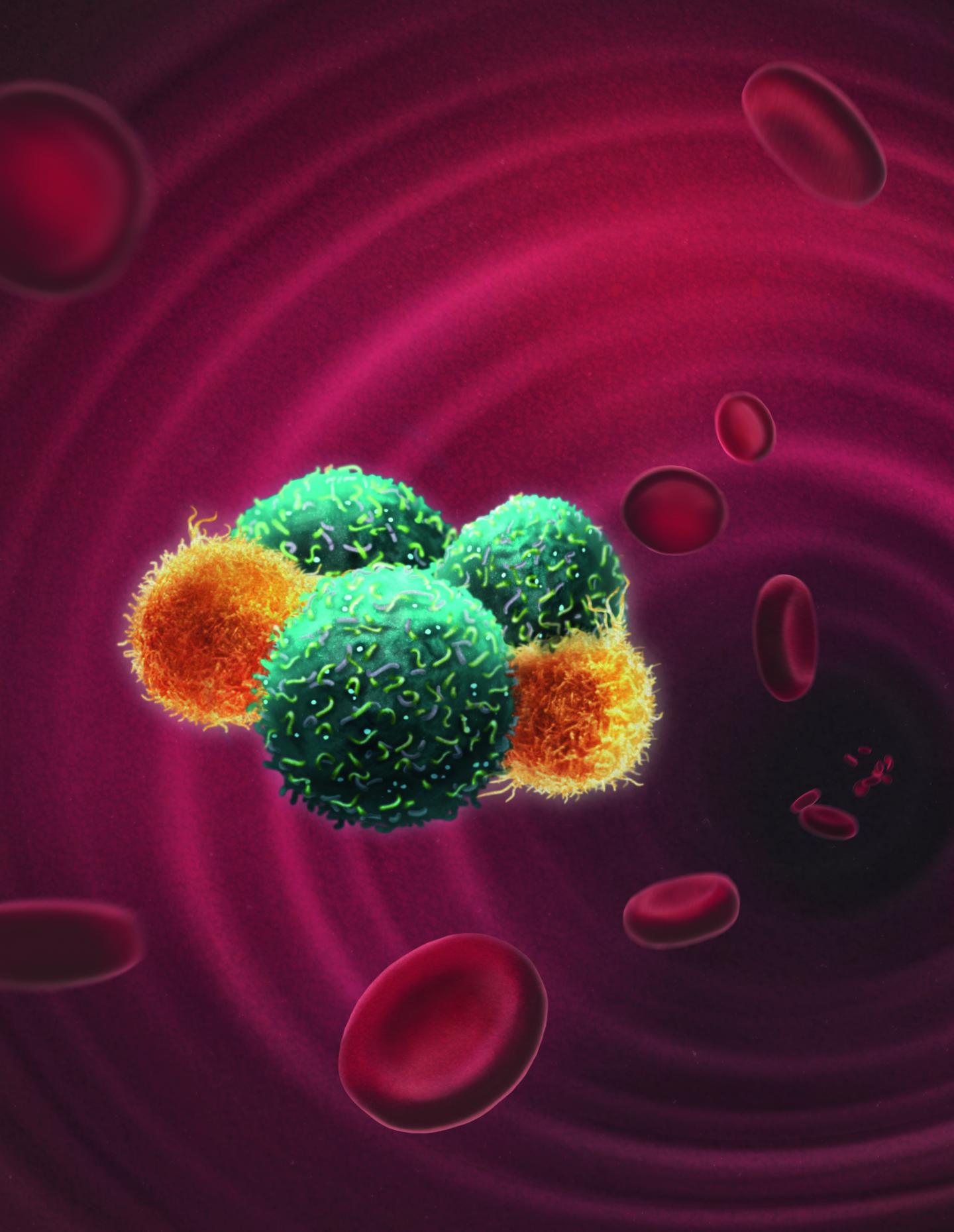
Tumor cells use a certain type of immune cells, the so-called neutrophils, to enhance their ability to form metastases. Scientists have deciphered the mechanisms of this collaboration and found strategies for blocking them. This is reported by researchers from the University of Basel and the University Hospital of Basel in the scientific journal Nature.

A better understanding of the features that define the interplay between cancer cells and immune cells is key to identifying new cancer therapies. Yet, focus is often given to those interactions that occur within the primary tumor and its microenvironment, while the role of immune cells during cancer dissemination in patients remains largely
uncharacterized.

For example, certain immune cells, the so-called neutrophils, often enter into an alliance with tumor cells that contributes significantly to the development of metastases. This was found by Prof. Nicola Aceto’s interdisciplinary research team at the Department of Biomedicine of the University of Basel and the University Hospital of Basel.

Neutrophils escort circulating tumor cells

Circulating tumor cells (CTCs) are cancer cells that leave a primary tumor and enter the bloodstream, on their way to distant organs. These CTCs are regarded as precursors of metastases. They can be found in the blood of patients as single cells, cell clusters or in groups with neutrophils. The researchers discovered that CTCs in close contact to neutrophils proliferate much more than other circulating cancer cells.

“Surprising is that the patient’s own neutrophils act by protecting CTCs in circulation, allowing CTCs to more efficiently seed metastasis”, states Prof. Aceto. Indeed, the presence of CTC-neutrophil clusters in the bloodstream also correlates with a poor prognosis of breast cancer patients.

Blocking the alliance between tumor cells and neutrophils

“We undertook a number of experiments to fully characterize CTC-neutrophil clusters from patients and mouse models, aiming to find strategies to suppress their ability to form metastasis,” says Prof. Aceto, holder of an ERC starting grant and SNSF professorship. To this end, the researchers combined state-of-the-art single cell sequencing techniques, microfluidic technologies and genetic knockout experiments to gain insights into the biology of CTC-neutrophil clusters. They found that the neutrophils enhance the metastasis-seeding ability of CTCs by releasing specific messenger substances, such as cytokines. When in turn this release of cytokines was blocked, the pro-metastatic effects of neutrophils were abrogated.

Altogether, the researchers were able not only to uncover the role of CTC-neutrophil clusters, but also to identify their vulnerabilities. These results may lead to the development of new anti-metastatic drugs.

###

Media Contact
Iris Mickein
[email protected]

Related Journal Article

http://dx.doi.org/10.1038/s41586-019-0915-y

Tags: BiologyBreast CancercancerCell BiologyMedicine/Health
Share12Tweet8Share2ShareShareShare2

Related Posts

Apelin-APLNR Pathway: Endothelial Roles in Health

July 2, 2026

Three Clinical Scholars Join Ludwig Institute for Cancer Research

July 2, 2026

Validating 18F-THK5351 for Imaging Astrogliosis

July 2, 2026

Next-Generation HIF-2α Inhibitor Demonstrates Potential in Translational Clinical Trial for Kidney Cancer

July 2, 2026
Please login to join discussion

POPULAR NEWS

  • Detection of EDCs in Breast Milk and Infant Urine Up to Six Months Highlights Early Exposure Risks

    77 shares
    Share 31 Tweet 19
  • Saying Goodbye to PGY-6: Pediatric Fellowship Realities

    103 shares
    Share 41 Tweet 26
  • New Drug Candidate Developed at McMaster Shows Potential for Treating Brain Cancer

    58 shares
    Share 23 Tweet 15
  • KTU Researchers Explore Ultrasound’s Role in Enhancing Blood Flow Beyond Diagnostics

    53 shares
    Share 21 Tweet 13

About

BIOENGINEER.ORG

We bring you the latest biotechnology news from best research centers and universities around the world. Check our website.

Follow us

Recent News

Steatosis Drives Liver Metastasis Diversity in CRC

Unlocking the Mysteries of Alzheimer’s Disease

Pensoft Introduces New Peer-Reviewed Journal of Regeneration to Advance Restorative Biology Across Species

Subscribe to Blog via Email

Enter your email address to subscribe to this blog and receive notifications of new posts by email.

Join 83 other subscribers
  • Contact Us

Bioengineer.org © Copyright 2023 All Rights Reserved.

Welcome Back!

Login to your account below

Forgotten Password?

Retrieve your password

Please enter your username or email address to reset your password.

Log In
No Result
View All Result
  • Homepages
    • Home Page 1
    • Home Page 2
  • News
  • National
  • Business
  • Health
  • Lifestyle
  • Science

Bioengineer.org © Copyright 2023 All Rights Reserved.