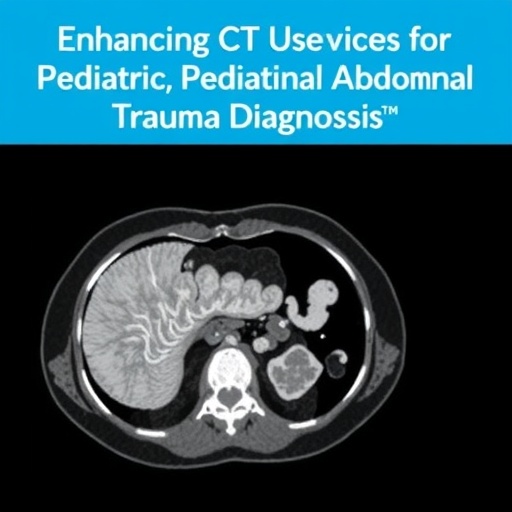
In the landscape of pediatric medicine, abdominal trauma represents a critical area for both diagnosis and management. The integration of advanced imaging techniques has transformed the way clinicians approach the assessment of such injuries. Among these methods, computed tomography (CT) stands out as a pivotal tool. This article discusses the findings highlighted in a recent research paper focused on optimizing CT utilization and improving the accuracy of diagnostic interpretation for pediatric abdominal trauma.
Computed tomography has revolutionized the field of emergency medicine, particularly when it concerns rapid and accurate diagnosis. Traditional imaging modalities like plain radiography or ultrasound often fall short, especially in the complex anatomy of children. CT scans provide not only a detailed view of the internal organs but also help in assessing the extent of potential injuries, allowing for prompt medical intervention. However, the overuse of CT in the pediatric population raises concerns due to the associated radiation exposure. As such, the optimization of CT usage is crucial.
The research conducted by Mohammad et al. delves into these concerns, analyzing patterns of CT usage among children with abdominal injuries. The study notes that while CT scans are invaluable, there is a critical need for clear guidelines to prevent unnecessary imaging. By refining criteria for CT scans based on age, mechanism of injury, and clinical presentation, healthcare providers can make more informed decisions that prioritize patient safety while still delivering accurate diagnoses.
.adsslot_JOPpmlZyjD{ width:728px !important; height:90px !important; }
@media (max-width:1199px) { .adsslot_JOPpmlZyjD{ width:468px !important; height:60px !important; } }
@media (max-width:767px) { .adsslot_JOPpmlZyjD{ width:320px !important; height:50px !important; } }
ADVERTISEMENT
One significant aspect of the study is the proposal for enhanced training for radiologists and emergency physicians in interpreting pediatric CT scans. The anatomy of children often differs from that of adults, and factors such as size and developmental stage can influence imaging outcomes. By understanding these variations, clinicians can improve their diagnostic accuracy and reduce the likelihood of misinterpretation. This step is vital in enhancing patient outcomes and minimizing the risk of inappropriate treatment.
Moreover, the study emphasizes the importance of multidisciplinary collaboration in managing pediatric abdominal trauma. Involving pediatric surgeons, radiologists, and emergency medicine specialists ensures that each case is evaluated from multiple perspectives. This collaborative approach can lead to better decision-making regarding the necessity of a CT scan and the subsequent management plan for the child.
In addition to improving diagnostic accuracy, the research underscores the role of clinical decision-making protocols. Incorporating evidence-based guidelines can assist clinicians in determining when a CT scan is warranted. Tools such as clinical decision rules can help stratify risk, ensuring that only those patients who truly need advanced imaging undergo a CT scan. This method is expected to enhance overall patient safety while maintaining diagnostic integrity.
The study also identifies the psychological factors that play a role in the decision-making process surrounding the use of CT scans in children. Concerns about missing a significant injury can lead to a low threshold for ordering imaging studies. The authors suggest educating providers about the potential long-term consequences of radiation exposure, juxtaposed with the importance of swift and accurate diagnostics in trauma care. This awareness can serve to balance the urgency of care with the necessity of safeguarding pediatric patients from unnecessary risks.
A noteworthy finding in the study is the impact of recent advancements in CT technology. Modern CT machines are equipped with dose-reduction capabilities that can significantly minimize radiation exposure without compromising image quality. Emphasizing the use of these advanced technologies within pediatric imaging centers could lead to safer scanning practices, reassuring both healthcare professionals and parents about the safety of these essential diagnostic tools.
As the field evolves, ongoing research will be vital to refine the guidelines and protocols surrounding CT utilization in pediatric patients. Continuous education for healthcare providers ensures that they remain updated on the latest findings and advancements in imaging technology, optimizing their ability to provide high-quality care. Future studies should focus on longitudinal outcomes for children who undergo CT scans, assessing both immediate and long-term consequences of imaging practices.
In summary, the study by Mohammad et al. makes a compelling argument for the optimization of CT use in pediatric abdominal trauma. By focusing on diagnostic accuracy, promoting collaboration among specialists, and advocating for ongoing education and research, the pediatric healthcare community can work towards improving the safety and efficacy of imaging practices. The insights gleaned from this study serve as a crucial call to action for clinicians, urging them to balance the urgent need for diagnosis with the imperative of minimizing risk in their patients.
As advancements in imaging technology continue to progress, the principles laid out in this research will remain pivotal in refining practices in pediatric trauma. Ultimately, the goal is to protect children from unnecessary exposure while ensuring they receive the best possible care in urgent medical situations.
By implementing these strategies, the healthcare community can foster a more judicious approach to imaging in pediatric trauma cases, solidifying the critical role of computed tomography without compromising patient safety.
Subject of Research: Pediatric abdominal trauma and the optimization of CT utilization.
Article Title: Computed tomography of pediatric abdominal trauma: optimizing utilization and enhancing diagnostic interpretation.
Article References:
Mohammad, S., Elsayed, R., Arafa, N. et al. Computed tomography of pediatric abdominal trauma: optimizing utilization and enhancing diagnostic interpretation.
Pediatr Radiol (2025). https://doi.org/10.1007/s00247-025-06321-3
Image Credits: AI Generated
DOI: https://doi.org/10.1007/s00247-025-06321-3
Keywords: Pediatric trauma, computed tomography, diagnostic interpretation, radiation exposure, clinical decision-making.
Tags: advanced imaging techniques in pediatricscomputed tomography in emergency medicineCT scan accuracy in trauma assessmentevaluating abdominal injuries in pediatric patientsguidelines for pediatric CT utilizationimproving diagnostic interpretation in traumaminimizing unnecessary CT scansnon-invasive imaging for childrenoptimizing CT scan usagepediatric abdominal trauma diagnosisradiation exposure in pediatric imagingresearch on pediatric imaging practices