• HOME
  • NEWS
  • EXPLORE
    • CAREER
      • Companies
      • Jobs
    • EVENTS
    • iGEM
      • News
      • Team
    • PHOTOS
    • VIDEO
    • WIKI
  • BLOG
  • COMMUNITY
    • FACEBOOK
    • INSTAGRAM
    • TWITTER
Thursday, May 14, 2026
BIOENGINEER.ORG
No Result
View All Result
  • Login
  • HOME
  • NEWS
  • EXPLORE
    • CAREER
      • Companies
      • Jobs
        • Lecturer
        • PhD Studentship
        • Postdoc
        • Research Assistant
    • EVENTS
    • iGEM
      • News
      • Team
    • PHOTOS
    • VIDEO
    • WIKI
  • BLOG
  • COMMUNITY
    • FACEBOOK
    • INSTAGRAM
    • TWITTER
  • HOME
  • NEWS
  • EXPLORE
    • CAREER
      • Companies
      • Jobs
        • Lecturer
        • PhD Studentship
        • Postdoc
        • Research Assistant
    • EVENTS
    • iGEM
      • News
      • Team
    • PHOTOS
    • VIDEO
    • WIKI
  • BLOG
  • COMMUNITY
    • FACEBOOK
    • INSTAGRAM
    • TWITTER
No Result
View All Result
Bioengineer.org
No Result
View All Result
Home NEWS Science News Chemistry

Elevating African cichlid fish as a scientific model of social disorders

Bioengineer by Bioengineer
September 6, 2025
in Chemistry
Reading Time: 2 mins read
0
IMAGE
Share on FacebookShare on TwitterShare on LinkedinShare on RedditShare on Telegram

University of Houston researcher wins prestigious Beckman Young Investigator Award

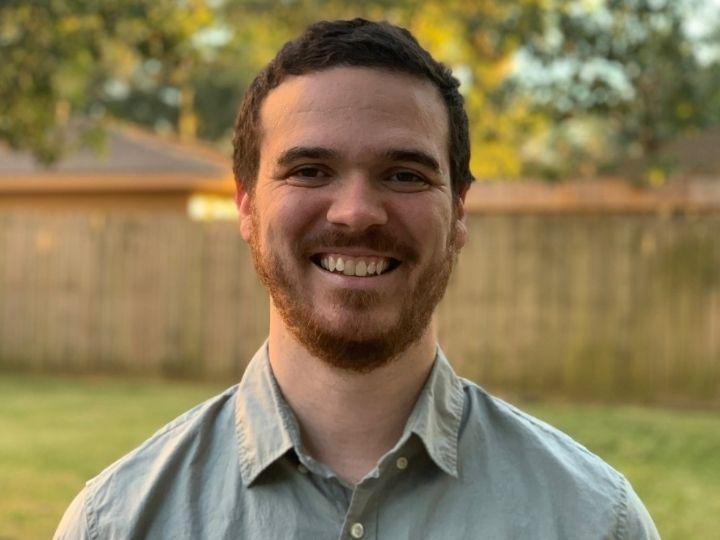
Beau Alward, University of Houston assistant professor of psychology, who holds a joint appointment in biology and biochemistry and is director of the Social Neuroscience Lab, has received the Beckman Young Investigator Award by the Arnold and Mabel Beckman Foundation. This marks the first time in history the foundation has awarded the same young professor twice. At Stanford, he was an Arnold Beckman post-doctoral fellow.

Then, and now, the award was based on Alward’s work with the African cichlid fish called Astatotilapia burtoni, or A. burtoni. Alward believes it’s time to elevate the species to become a premier model of social disorders, and he will use the $600,000 prize to do just that.

“With social disorders, like autism, people suffer from an inability to respond to social cues. The cool thing about fish is that they are excellent at responding to social cues,” said Alward. “Within minutes, they form a social hierarchy where they look at other fish around them and assess their color, body size and behavior and then they make a social decision on whether they should be high or low ranking.”

Through that process, Alward can further investigate their decision making to develop a cell-type specific molecular atlas of flexible social behavior.

“The goal is to get a foundation of data where we can say ‘In this species we find a number of these genes and cells are related to their ability to respond to social cues,’ and then we can examine if they are also implicated in autism and other social disorders,” said Alward.

As difficult as that might sound, elevating the status of the A. burtoni to a genetic model of social dysfunction worldwide is even more challenging. That task, as proposed by Alward, requires using Nobel-winning CRISPR/Cas9 gene editing, often referred to as “genetic scissors” to form a greater understanding of the different cells and genes involved. By engineering genetic models through CRISPR editing, a more precise look at how genes behave will be revealed.

Alward also wants to create a collaborative network of A. burtoni research on social dysfunction, open to scientists who wish to explore the key genes in social behavior.

“To fully understand the phenomenon of social disorders, you need to examine a breadth of different species, because what works in one may not work in the other,” said Alward.

###

The Beckman Young Investigator (BYI) Program provides research support to the most promising young faculty members in the early stages of their academic careers in the chemical and life sciences, particularly to foster the invention of methods, instruments and materials that will open up new avenues of research in science.

Media Contact
Laurie Fickman
[email protected]

Original Source

https://uh.edu/news-events/stories/2021/june-2021/06032021-african-cichlid-fish-model-social-disorders-alward.php

Tags: AlzheimerCell BiologyMedicine/Healthneurobiology
Share12Tweet8Share2ShareShareShare2

Related Posts

On-Chip Ferroelectric Spherulites Enable Broadband Colored Skyrmion Generation — Chemistry

On-Chip Ferroelectric Spherulites Enable Broadband Colored Skyrmion Generation

May 14, 2026
Innovating an Affordable and Sustainable Marimba #ASA190 — Chemistry

Innovating an Affordable and Sustainable Marimba #ASA190

May 14, 2026

The Unseen Power Driving Growth

May 14, 2026

Examining and Overcoming Biases Surrounding Vocal Fry #ASA190

May 14, 2026
Please login to join discussion

POPULAR NEWS

  • Research Indicates Potential Connection Between Prenatal Medication Exposure and Elevated Autism Risk

    842 shares
    Share 337 Tweet 211
  • New Study Reveals Plants Can Detect the Sound of Rain

    729 shares
    Share 291 Tweet 182
  • Salmonella Haem Blocks Macrophages, Boosts Infection

    62 shares
    Share 25 Tweet 16
  • Breastmilk Balances E. coli and Beneficial Bacteria in Infant Gut Microbiomes

    57 shares
    Share 23 Tweet 14

About

We bring you the latest biotechnology news from best research centers and universities around the world. Check our website.

Follow us

Recent News

IC-SNc Circuit Links Prepulse Inhibition Deficits in Parkinson’s

Parasite Spread Enhanced by Host Wing-Raising Behavior

Study Reveals Heart Disease Risk May Originate Before Birth

Subscribe to Blog via Email

Enter your email address to subscribe to this blog and receive notifications of new posts by email.

Join 82 other subscribers
  • Contact Us

Bioengineer.org © Copyright 2023 All Rights Reserved.

Welcome Back!

Login to your account below

Forgotten Password?

Retrieve your password

Please enter your username or email address to reset your password.

Log In
No Result
View All Result
  • Homepages
    • Home Page 1
    • Home Page 2
  • News
  • National
  • Business
  • Health
  • Lifestyle
  • Science

Bioengineer.org © Copyright 2023 All Rights Reserved.