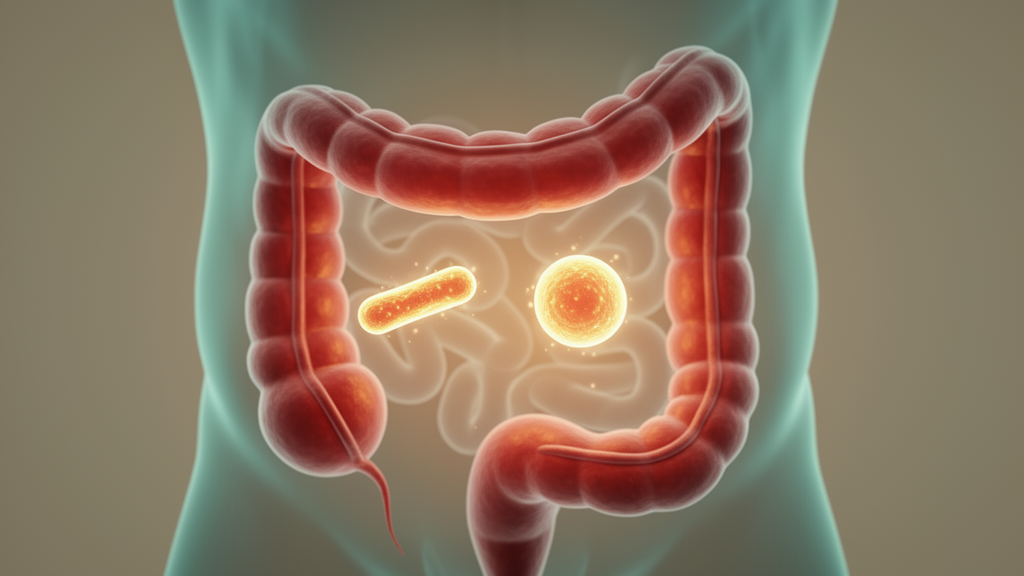
A probiotic formulation combining two Lactobacillus strains from different ecological origins, one isolated from plants and one from humans, reduced intestinal inflammation in a rat model of colitis, according to an open-access study published in Applied Microbiology and Biotechnology. The formulation paired Lactobacillus plantarum AG40V, a plant-derived strain, with Lactobacillus fermentum HO17HF, a human-derived strain, and was evaluated for safety and anti-inflammatory activity in a 2,4,6-trinitrobenzenesulfonic acid (TNBS)-induced colitis model in Sprague–Dawley rats. The researchers developed the formulation at a concentration of 10^12 colony-forming units per millilitre, mixing the two strains in a 1:1 ratio.
Laboratory testing showed that the preparation remained stable under refrigerated conditions and displayed significant functional antioxidant activity in vitro. Safety was assessed through acute and sub-acute oral toxicity studies conducted in accordance with Organisation for Economic Co-operation and Development (OECD) guidelines. Across these studies, the formulation produced no mortality and no significant alterations in physiological, haematological, biochemical, or histopathological parameters.
The authors report that this toxicological profile supported proceeding to efficacy testing in the colitis model, where inflammatory damage is induced chemically in the rodent colon. In the TNBS-induced colitis model, oral administration of the dual-origin probiotic formulation led to a marked attenuation of intestinal inflammation. The effect was measured through a panel of oxidative and inflammatory biomarkers: levels of nitric oxide, myeloperoxidase, and lipid peroxidation all fell in treated animals, while catalase activity, an endogenous antioxidant defence, was enhanced.
Together, these changes indicate that the formulation modulated oxidative stress and host inflammatory responses, the mechanisms the authors identify as central to its observed effect. The study's findings are specific to an experimental animal model and should not be read as evidence of clinical benefit in people with inflammatory bowel disease (IBD). TNBS colitis in Sprague–Dawley rats is a preclinical system that reproduces certain features of intestinal inflammation, but results in this model do not establish efficacy, dosing, or safety in human patients.
The authors describe their results as highlighting the translational potential of ecologically diverse probiotic consortia for inflammatory gastrointestinal disorders, a direction that would require further preclinical and clinical evaluation before any human application. Within that scope, the work suggests that combining probiotic strains from different origins merits further investigation for inflammatory gastrointestinal conditions. The authors conclude that the dual-origin formulation is both safe under the tested conditions and functionally effective in mitigating intestinal inflammation through modulation of oxidative stress and host inflammatory responses, positioning such consortia as a candidate strategy for future study alongside, rather than as a replacement for, conventional approaches to managing inflammatory bowel conditions.
Subject of Research: Safety and anti-inflammatory effects of a dual-origin Lactobacillus probiotic formulation in experimentally induced rat colitis
Article Title: Dual-origin probiotic formulation attenuates intestinal inflammation in experimental colitis
Article References: Junnarkar, M., Attarde, D., Gaikwad, S., Vishnu Pawar, S., Wagh, P., & Nawani, N. (2026). Dual-origin probiotic formulation attenuates intestinal inflammation in experimental colitis. Applied Microbiology and Biotechnology. https://doi.org/10.1007/s00253-026-14070-y
Image Credits: AI Generated
DOI: 10.1007/s00253-026-14070-y
Keywords: probiotics, Lactobacillus plantarum, Lactobacillus fermentum, colitis, inflammatory bowel disease, oxidative stress, rat model, TNBS-induced colitis, oral toxicity, antioxidant activity, gut microbiota, Dual-origin
News Source: Morgan Morrow. (October 23, 2026). Dual-Origin Probiotic Blend Eases Gut Inflammation in Rat Colitis Model. Scienmag.