• HOME
  • NEWS
  • EXPLORE
    • CAREER
      • Companies
      • Jobs
    • EVENTS
    • iGEM
      • News
      • Team
    • PHOTOS
    • VIDEO
    • WIKI
  • BLOG
  • COMMUNITY
    • FACEBOOK
    • INSTAGRAM
    • TWITTER
Friday, November 6, 2026
BIOENGINEER.ORG
No Result
View All Result
  • Login
  • HOME
  • NEWS
  • EXPLORE
    • CAREER
      • Companies
      • Jobs
        • Lecturer
        • PhD Studentship
        • Postdoc
        • Research Assistant
    • EVENTS
    • iGEM
      • News
      • Team
    • PHOTOS
    • VIDEO
    • WIKI
  • BLOG
  • COMMUNITY
    • FACEBOOK
    • INSTAGRAM
    • TWITTER
No Result
View All Result
Bioengineer.org
No Result
View All Result
Home NEWS Science News Biology

DNA Regulatory Switch Helps Androgen Receptor Suppress Breast Cancer Cell Growth

by
November 6, 2026
in Biology
Reading Time: 2 mins read
0
DNA Regulatory Switch Helps Androgen Receptor Suppress Breast Cancer Cell Growth

DNA Regulatory Switch Helps Androgen Receptor Suppress Breast Cancer Cell Growth

Share on FacebookShare on TwitterShare on LinkedinShare on RedditShare on Telegram

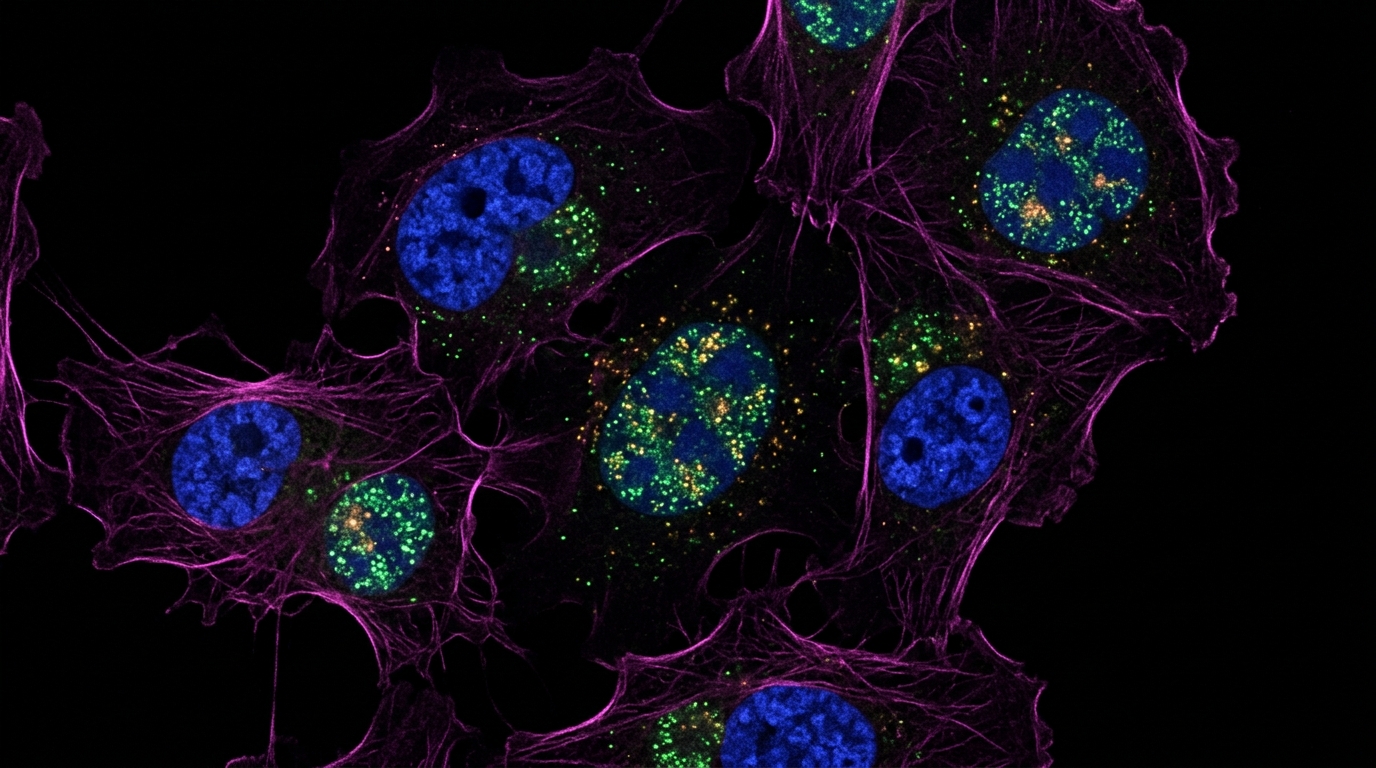
Adelaide University researchers have identified a regulatory DNA switch that enables the body to curb the growth of oestrogen receptor-positive (ER+) breast cancer, the most common form of the disease. In an experimental cell study published in the journal npj Breast Cancer, the international team investigated the molecular mechanisms that allow the androgen receptor to halt tumour progression. Up to 80 percent of all breast cancer cases are classified as ER+, meaning their growth is stimulated by the hormone oestrogen.

Previous research demonstrated that another hormone receptor, the androgen receptor, can act as a tumour suppressor in ER+ breast cancer. While activating the androgen receptor has shown promise as a potential therapeutic strategy, the exact biological mechanisms controlling how it stops malignant cells from multiplying have remained unresolved. The team had previously identified a gene called ZBTB16 as a potential contributor to this tumour-suppressing process, noting that higher levels of the gene correlated with improved survival outcomes in patients with ER+ breast cancer.

In the new study, conducted by researchers from Adelaide University’s School of Medicine, the South Australian immunoGENomics Cancer Institute (SAiGENCI), SAHMRI, and the University of Bordeaux in France, the investigators found that directly altering ZBTB16 levels in breast cancer cells did not change the ability of the androgen receptor to suppress cell growth. According to Dr. Amy Dwyer from Adelaide University’s School of Medicine, the surprising finding was that ZBTB16 itself was not responsible for the growth-suppressing effect, but rather a small regulatory DNA switch embedded within the gene.

This regulatory switch, designated HRRINT3, functions as an enhancer—a section of DNA that controls gene activity. When activated by androgens, which are hormones present in both women and men, the androgen receptor binds directly to this enhancer. Using CRISPR gene-editing technology, the researchers deleted a small section of HRRINT3 to observe the effects of its absence. Following the deletion, the androgen receptor could no longer suppress breast cancer cell growth as effectively, while researchers also observed broader disruption of androgen receptor signalling and increased activity among genes that drive cell division.

Co-author Dr. Zeyad Nassar, a cancer researcher with Adelaide University’s SAiGENCI and SAHMRI, noted that the enhancer operates as part of a wider regulatory network that helps the androgen receptor keep cancer cell proliferation in check. Removing the switch also caused rapid cell growth in other androgen receptor-positive breast and prostate cancer cell models, suggesting a broader role across multiple androgen receptor-positive malignancies. With treatments activating the androgen receptor currently under investigation for advanced ER+ breast cancer, the findings offer insights that could help identify and treat patients with advanced disease who no longer respond to standard hormone therapies.

Subject of Research: DNA enhancer switch regulating androgen receptor tumour suppression in breast cancer cells

Article Title: DNA ‘switch’ uncovers new brake on breast cancer growth

Article References: DNA ‘switch’ uncovers new brake on breast cancer growth. Original publication (Bibliographic details unavailable.)

Image Credits: AI Generated

DOI: Not provided

Keywords: breast cancer, androgen receptor, gene regulation, enhancers, oncology, CRISPR, ZBTB16, HRRINT3, switch, uncovers, brake, breast

News Source: Drew Townsend. (November 6, 2026). DNA Regulatory Switch Helps Androgen Receptor Suppress Breast Cancer Cell Growth. Scienmag.


Tags: androgen receptorbrakebreastBreast CancerCRISPRenhancersGene regulationHRRINT3OncologyswitchuncoversZBTB16
Share12Tweet7Share2ShareShareShare1

Related Posts

Seven-Year Survey Tracks Multidimensional Benthic Invertebrate Diversity in Lake Chaohu

Seven-Year Survey Tracks Multidimensional Benthic Invertebrate Diversity in Lake Chaohu

November 6, 2026
Metabarcoding Uncovers Flying Arthropod Diversity Across Ancient Chinese Tea Landscapes

Metabarcoding Uncovers Flying Arthropod Diversity Across Ancient Chinese Tea Landscapes

November 6, 2026

Isothermal Amplification Evaluated for Rapid Diagnosis of Clinical Brucella Species

November 6, 2026

Field Trial Shows Organic Acid Biostimulant Boosts Soybean Yields and Nutrient Uptake

November 6, 2026

POPULAR NEWS

  • Visual Data Mining Platform Maps Cancer Multi-Omics Across Subcellular Compartments

    Visual Data Mining Platform Maps Cancer Multi-Omics Across Subcellular Compartments

    29 shares
    Share 12 Tweet 7
  • Review Separates Artificial Intelligence From Robotic Execution In Total Knee Arthroplasty

    29 shares
    Share 12 Tweet 7
  • Review Analyzes Olive Phenol Hydroxytyrosol Across Cellular Pathways and Clinical Trials

    29 shares
    Share 12 Tweet 7
  • Blood-Brain Barrier Breakdown Heightens Antipsychotic Sensitivity in Alzheimer’s Disease

    29 shares
    Share 12 Tweet 7

About

We bring you the latest biotechnology news from best research centers and universities around the world. Check our website.

Follow us

Recent News

Commercially Insured US Adults Show Distinct Age-Specific Pneumococcal Disease Risk Profiles

Review Finds Artificial Intelligence Depression Detection Performance Drops In Large Studies

Researchers Derive Streamlined Quality of Life Scale for Mexican Diabetes Patients

Subscribe to Blog via Email

Enter your email address to subscribe to this blog and receive notifications of new posts by email.

Join 86 other subscribers
  • Contact Us

Bioengineer.org © Copyright 2023 All Rights Reserved.

Welcome Back!

Login to your account below

Forgotten Password?

Retrieve your password

Please enter your username or email address to reset your password.

Log In
No Result
View All Result
  • Homepages
    • Home Page 1
    • Home Page 2
  • News
  • National
  • Business
  • Health
  • Lifestyle
  • Science

Bioengineer.org © Copyright 2023 All Rights Reserved.