Patients hospitalized with severe fever with thrombocytopenia syndrome (SFTS) who acquired additional infections in the community fared markedly worse than those who picked up infections in the hospital or who had no co-infection at all, according to a retrospective study conducted at the First Affiliated Hospital of Anhui Medical University in Hefei, China. Among 231 patients treated between May 2021 and June 2024, 81, or 35.1 percent, developed co-infection during their illness. Those with community-acquired infections, or CAIs, accounted for 47 cases, while 34 patients developed hospital-acquired infections, or HAIs. The mortality rate among patients with CAIs reached 23.4 percent, compared with 8.8 percent among those with HAIs and 19.3 percent among patients without co-infection.
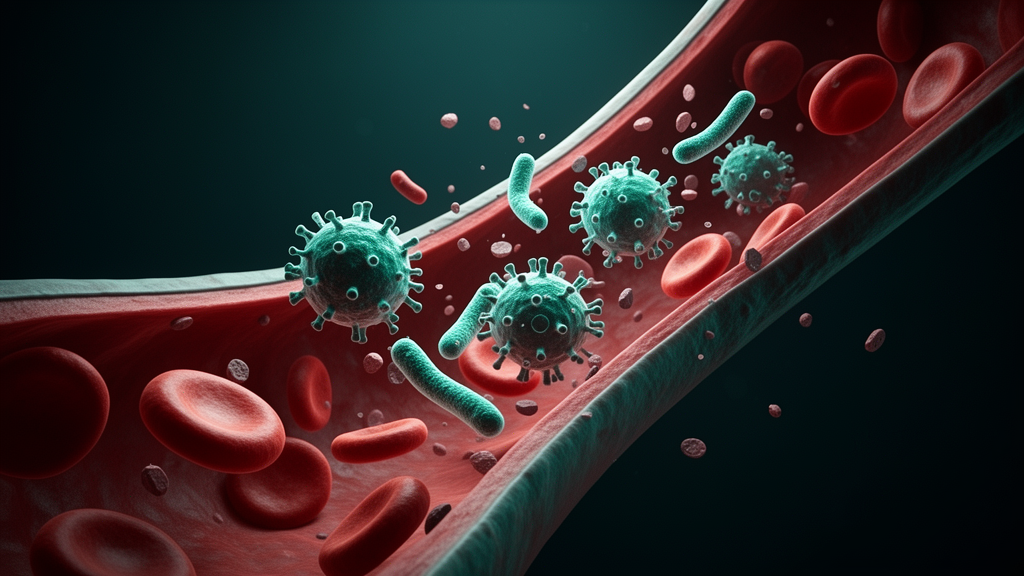
SFTS is a zoonotic disease caused by SFTSV, a novel bunyavirus transmitted primarily through tick bites. After infection, the virus spreads systemically and induces severe immune dysfunction, triggering a cytokine storm and systemic inflammatory response that can culminate in multi-organ failure. The disease shows distinct seasonal and geographic clustering, with reported mortality rates as high as 30 percent in endemic areas of East Asia. No specific antiviral treatment exists, so management remains limited to supportive care, which makes the identification and management of risk factors particularly important for improving outcomes.
The study team classified co-infections using clinical criteria adapted from the Centers for Disease Control and Prevention. A community-acquired infection was defined as pathogen detection within 48 hours of admission, with no hospitalization, surgery, or long-term care admission in the past year and no indwelling devices or catheters. Hospital-acquired infections were those acquired 48 hours or more after admission, with no evidence the infection was present or incubating on arrival. All 231 patients underwent microbiological testing at least once during hospitalization, using microbial culture, metagenomic next-generation sequencing, IgM antibody tests, fungal fluorescence and Gram staining, galactomannan testing, and imaging.
The cohort comprised 95 male and 136 female patients with a mean age of 65.0 years. The most frequent clinical manifestations overall were weakness, dizziness, diarrhea, and muscle soreness. Patients with CAIs showed a strikingly higher rate of diarrhea on admission, 57.4 percent versus 22.7 percent in non-co-infected patients, and were far more likely to have a history of cerebral infarction, 48.9 percent versus 18.0 percent. Laboratory tests on admission revealed that CAIs patients had significantly elevated cardiac troponin I, amylase, lipase, D-dimer, and fibrinogen degradation products, along with significantly decreased albumin and albumin-to-globulin ratios, indicating more severe myocardial injury, pancreatic injury, and coagulation dysfunction. No significant hematological differences separated HAIs patients from those without co-infection.
Treatment patterns also diverged. Compared with non-co-infected patients, those with CAIs were significantly more likely to receive ribavirin, antibiotics, antifungal therapy, and blood product transfusions, and both CAIs and HAIs groups had higher ICU admission rates. Patients with CAIs also experienced longer hospital stays, higher hospitalization costs, and higher rates of myocardial injury and respiratory failure. Clinically, 80.9 percent of CAIs patients and 76.5 percent of HAIs patients were classified as severe or critically ill, compared with 48.0 percent of those without co-infection.
Pathogen distribution revealed a heavy fungal burden. In the CAIs group, 63 pathogens were detected, with Aspergillus genus the most prevalent at 13 of 63, followed by Aspergillus fumigatus at 10. Among HAIs patients, 39 pathogens were identified, dominated by A. fumigatus and the Aspergillus genus. Sputum yielded the highest pathogen detection rate for both groups, while pulmonary fungal infections predominated and bacterial infections were more common in blood samples. Bacteria accounted for 50.8 percent of CAIs pathogens and 56.4 percent of HAIs pathogens, with fungi close behind. Drug-resistant organisms, including methicillin-resistant Staphylococcus aureus, extended-spectrum beta-lactamase-producing Enterobacteriaceae, and carbapenem-resistant Klebsiella pneumoniae, were detected in both groups. Viral co-infections were rare, limited to influenza A and human parainfluenza virus.
Survival analysis underscored the prognostic weight of infection timing and type. Survival time was significantly shorter for patients with CAIs than for those with HAIs. Among 27 severe or critically ill patients with CAIs-related fungal infections, the 20 who received antifungal therapy showed significantly extended survival, while antifungal treatment produced no significant survival benefit in severe or critically ill patients with HAIs-related fungal infections. Interestingly, patients with HAIs-related pulmonary infections had longer survival times than non-co-infected patients, whereas CAIs-related pulmonary infections showed no significant survival difference from the non-co-infected group, which the authors suggest may reflect aggressive antibiotic and antifungal treatment in the CAIs group.
To identify who is at risk of community-acquired co-infection, the researchers applied Lasso regression to reduce multicollinearity and then multivariate logistic regression on the retained variables. Six independent risk factors emerged: diarrhea at admission, with an odds ratio of 4.826; history of cerebral infarction, odds ratio 4.347; antifungal therapy, odds ratio 46.076; ICU admission, odds ratio 9.551; elevated D-dimer, odds ratio 1.110 per unit; and an albumin-to-globulin ratio below 1.05, odds ratio 5.116. The authors note that diarrhea may reflect virus-induced compromise of the intestinal mucosal barrier facilitating opportunistic pathogen translocation, while post-infarction chronic inflammation may impair antiviral immunity.
The albumin-to-globulin ratio received particular attention as a potential bedside marker. Among patients with co-infection, a ratio below 1.05 showed an area under the receiver operating characteristic curve of 0.714 for identifying CAIs. Its discriminatory performance was strongest for CAIs-related pulmonary fungal infections, with an AUC of 0.799, but was weaker for bloodstream infections, at 0.67, and for non-pulmonary fungal infections, at 0.567. The ratio correlated negatively with a broad panel of inflammatory, tissue-damage, coagulation, and organ-dysfunction markers, and positively with platelets and bicarbonate, while showing no significant correlation with red cell parameters or renal electrolytes, suggesting its changes track hepatic synthetic function and systemic inflammation rather than blood dilution. The authors emphasize that the ratio should be viewed as a supportive risk-stratification tool rather than a standalone screening instrument, though its low cost and ready availability could make it useful in resource-limited endemic regions.
The study carries important limitations. Its retrospective, single-center design, homogeneous population, and limited sample size restrict generalizability, and infections detected within 48 hours of admission may in some cases have been hospital-related despite meeting community-acquired criteria. The authors did not analyze dynamic changes in clinical parameters over time, and the proposed mechanistic role of the albumin-to-globulin ratio remains speculative and unvalidated. The researchers also caution that the study does not demonstrate that incorporating the ratio into clinical decision-making improves patient outcomes. Even so, the findings highlight a clear pattern: in SFTS, the source and type of co-infection matter, with community-acquired infections, particularly pulmonary fungal disease driven by Aspergillus species, marking the patients at greatest risk, and early antifungal therapy appearing to extend survival precisely in that group.
Subject of Research: Community-acquired and hospital-acquired co-infections in hospitalized patients with severe fever with thrombocytopenia syndrome
Article Title: The pathogenic and clinical characteristics of community-acquired and hospital-acquired co-infection in patients hospitalized with severe fever with thrombocytopenia syndrome
Article References: Xia, C., Cheng, Z., Sun, Z., Bi, H., & Shen, J. (2026). The pathogenic and clinical characteristics of community-acquired and hospital-acquired co-infection in patients hospitalized with severe fever with thrombocytopenia syndrome. Frontiers in Cellular and Infection Microbiology, 16, Article 1940837. https://doi.org/10.3389/fcimb.2026.1940837
Image Credits: AI Generated
DOI: 10.3389/fcimb.2026.1940837
Keywords: severe fever with thrombocytopenia syndrome, SFTSV, co-infection, community-acquired infection, hospital-acquired infection, Aspergillus, albumin-globulin ratio, retrospective study, risk factors, antifungal therapy, China, tick-borne virus
News Source: Kristina Jarvis. (October 29, 2026). Co-infections Worsen Outcomes in Severe Fever with Thrombocytopenia Syndrome Patients. Scienmag.