• HOME
  • NEWS
  • EXPLORE
    • CAREER
      • Companies
      • Jobs
    • EVENTS
    • iGEM
      • News
      • Team
    • PHOTOS
    • VIDEO
    • WIKI
  • BLOG
  • COMMUNITY
    • FACEBOOK
    • INSTAGRAM
    • TWITTER
Tuesday, October 20, 2026
BIOENGINEER.ORG
No Result
View All Result
  • Login
  • HOME
  • NEWS
  • EXPLORE
    • CAREER
      • Companies
      • Jobs
        • Lecturer
        • PhD Studentship
        • Postdoc
        • Research Assistant
    • EVENTS
    • iGEM
      • News
      • Team
    • PHOTOS
    • VIDEO
    • WIKI
  • BLOG
  • COMMUNITY
    • FACEBOOK
    • INSTAGRAM
    • TWITTER
No Result
View All Result
Bioengineer.org
No Result
View All Result
Home NEWS Science News Biology

Bruceine D suppresses osteoclast formation and protects bone in ovariectomized mice

by
October 20, 2026
in Biology
Reading Time: 2 mins read
0
Bruceine D suppresses osteoclast formation and protects bone in ovariectomized mice

Bruceine D suppresses osteoclast formation and protects bone in ovariectomized mice

Share on FacebookShare on TwitterShare on LinkedinShare on RedditShare on Telegram

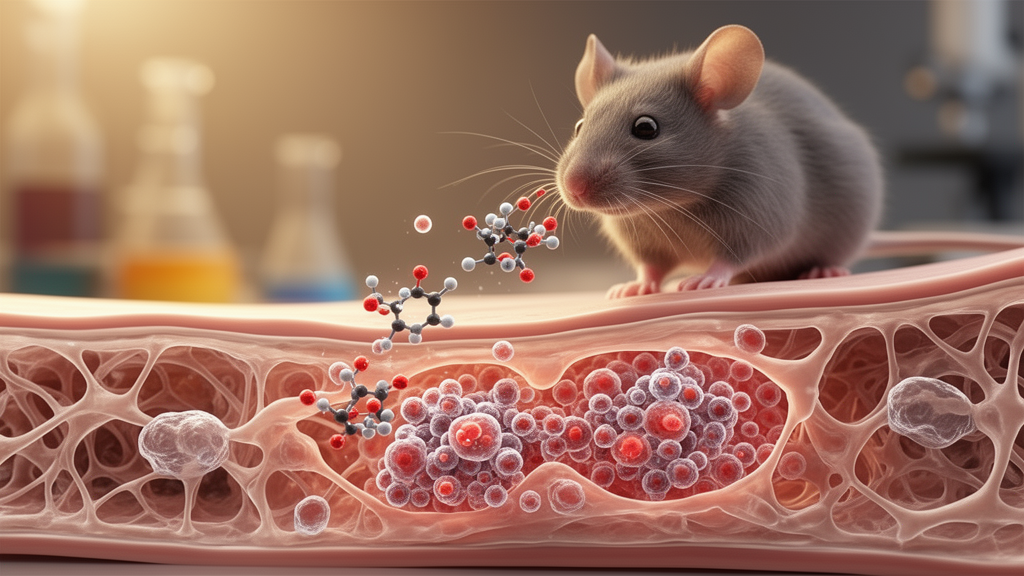
Bruceine D reduced the formation and bone-resorbing activity of osteoclasts in cell cultures and improved trabecular bone architecture in an ovariectomy mouse model of estrogen-deficiency-induced osteoporosis. The preclinical study linked these effects to reduced signaling through STAT3 and NF-κB, accompanied by lower expression of the osteoclast-associated transcription factor NFATc1; it did not test human participants. Investigators tested Bruceine D in two experimental systems.

In vitro, they stimulated bone marrow-derived macrophages with RANKL to induce osteoclast differentiation, with or without Bruceine D. Treatment suppressed the formation of multinucleated osteoclasts in a dose-dependent manner. The effective concentrations were not reported as cytotoxic.

TRAP staining was used to assess osteoclast formation, while quantitative reverse-transcription PCR and western blotting were used to examine gene and protein expression. Multiple cellular measurements were consistent with inhibited osteoclast development. It also reduced the cells’ bone-resorption activity.

At the molecular level, the compound attenuated STAT3 and NF-κB signaling without affecting the tested MAPK and AKT pathways. The reduced signaling was associated with downregulation of NFATc1, a key transcription factor in osteoclastogenesis, leading the authors to identify the STAT3/NF-κB/NFATc1 axis as the mechanism implicated in the observed effects. The researchers next evaluated Bruceine D in an ovariectomy model of osteoporosis.

Ovariectomy produces estrogen deficiency and bone loss in mice, allowing the investigators to examine protection against deterioration of bone microarchitecture. Bruceine D treatment markedly alleviated trabecular bone loss, with improved bone-microarchitecture parameters reported in treated animals. These results show a protective effect in this mouse model and align with the compound’s inhibition of osteoclast formation and activity observed in cultured cells.

The evidence is limited to laboratory cultures and an ovariectomized mouse model, so the findings do not establish that Bruceine D is safe or effective for treating postmenopausal osteoporosis in humans. The supplied study abstract also does not provide the numerical concentrations, treatment schedules or effect sizes needed to assess the magnitude and reproducibility of the reported responses. Within those limits, the study provides convergent cellular, molecular and animal evidence that Bruceine D can suppress osteoclastogenesis and reduce estrogen-deficiency-associated trabecular bone loss under experimental conditions.

Subject of Research: Preclinical evaluation of Bruceine D for suppressing osteoclast formation and protecting against estrogen-deficiency-associated bone loss

Article Title: Bruceine D suppressed osteoclast formation via STAT3/NF-κB/NFATc1 signaling and protected postmenopausal osteoporosis

Article References: Lin, S., Yuan, Q., Yao, X., & Nie, X. (2026). Bruceine D suppressed osteoclast formation via STAT3/NF-κB/NFATc1 signaling and protected postmenopausal osteoporosis. Molecular Biology Reports, 53(1), Article 1508. https://doi.org/10.1007/s11033-026-12677-y

Image Credits: AI Generated

DOI: 10.1007/s11033-026-12677-y

Keywords: Bruceine D, osteoclast formation, osteoclastogenesis, bone resorption, postmenopausal osteoporosis, ovariectomy model, STAT3 signaling, NF-κB signaling, NFATc1, bone microarchitecture, preclinical research, Bruceine

News Source: Drew Townsend. (October 20, 2026). Bruceine D suppresses osteoclast formation and protects bone in ovariectomized mice. Scienmag.


Tags: bone microarchitecturebone resorptionBruceineBruceine DNF-κB signalingNFATc1osteoclast formationosteoclastogenesisovariectomy modelpostmenopausal osteoporosispreclinical researchSTAT3 Signaling
Share12Tweet7Share2ShareShareShare1

Related Posts

Two new psyllid species and a revised identification from Mount Kinabalu

Two new psyllid species and a revised identification from Mount Kinabalu

October 20, 2026
Chinese freshwater mussels reveal hidden lineages and a new genus

Chinese freshwater mussels reveal hidden lineages and a new genus

October 20, 2026

Pandemic reopening reshaped pediatric respiratory pathogen positivity by age

October 20, 2026

Kyoto iPSC Symposium Reviews Two Decades of Research and Translation

October 20, 2026

POPULAR NEWS

  • 2022 Cross-Sectional Study Links Multisetting Generalist Groups to Lower Medicare MIPS Scores

    2022 Cross-Sectional Study Links Multisetting Generalist Groups to Lower Medicare MIPS Scores

    29 shares
    Share 12 Tweet 7
  • Review proposes SFRP4–integrin interaction may restrain tumor angiogenesis

    29 shares
    Share 12 Tweet 7
  • Two new psyllid species and a revised identification from Mount Kinabalu

    29 shares
    Share 12 Tweet 7
  • Sepsis Treatments Shift Toward Precision, Multi-System Pharmacology

    29 shares
    Share 12 Tweet 7

About

We bring you the latest biotechnology news from best research centers and universities around the world. Check our website.

Follow us

Recent News

2022 Cross-Sectional Study Links Multisetting Generalist Groups to Lower Medicare MIPS Scores

Review proposes SFRP4–integrin interaction may restrain tumor angiogenesis

Two new psyllid species and a revised identification from Mount Kinabalu

Subscribe to Blog via Email

Enter your email address to subscribe to this blog and receive notifications of new posts by email.

Join 85 other subscribers
  • Contact Us

Bioengineer.org © Copyright 2023 All Rights Reserved.

Welcome Back!

Login to your account below

Forgotten Password?

Retrieve your password

Please enter your username or email address to reset your password.

Log In
No Result
View All Result
  • Homepages
    • Home Page 1
    • Home Page 2
  • News
  • National
  • Business
  • Health
  • Lifestyle
  • Science

Bioengineer.org © Copyright 2023 All Rights Reserved.