A new narrative review published in Biological Research examines whether berberine, a natural plant alkaloid, could help address type 2 diabetes mellitus (T2DM), one of the most widespread metabolic disorders in the world. The review, published open access on 18 August 2026, brings together mechanistic and clinical evidence from in vitro, animal, and human studies, and concludes that while berberine may influence several disease-relevant pathways, most of the supporting evidence remains preclinical.
The authors frame the problem around insulin resistance, which they identify as a key mechanism underlying the onset and progression of T2DM. According to the review, the main drivers of insulin resistance are a sedentary lifestyle and obesity. Obesity, in this account, promotes inflammation within adipose tissue by increasing immune cell infiltration and the production of inflammatory mediators. It also shifts the gut microbiota toward a pro-inflammatory profile and induces metabolic endotoxemia, together producing a state of low-grade systemic inflammation.
These processes do not act alone. The review describes how low-grade inflammation, combined with oxidative stress and elevated free fatty acids, promotes insulin resistance, hepatic gluconeogenesis, and pancreatic beta-cell dysfunction, thereby exacerbating T2DM. This chain of events forms the mechanistic backdrop against which the authors assess berberine’s potential.
Berberine is characterized in the review as a natural alkaloid with antioxidant and anti-inflammatory properties. The authors argue that the compound affects all of the events described above, and that this broad activity could potentially contribute to alleviating insulin resistance and improving T2DM.
The article is explicit about the nature and limits of the evidence it surveys. It provides a narrative synthesis of available mechanistic and clinical findings, integrating in vitro, animal, and clinical studies, and critically examines the limitations and translational relevance of that evidence. The conclusion states plainly that most mechanistic evidence remains preclinical, meaning that the detailed molecular picture comes largely from laboratory and animal models rather than from definitive human trials.
Despite those limitations, the authors see enough signal to justify continued investigation. They conclude that the available evidence indicates berberine has the potential to influence multiple pathogenic pathways implicated in T2DM and may thereby improve insulin sensitivity. At the same time, they caution that this potential has not yet been established as clinical efficacy, and that the gap between mechanistic plausibility and proven patient benefit remains substantial.
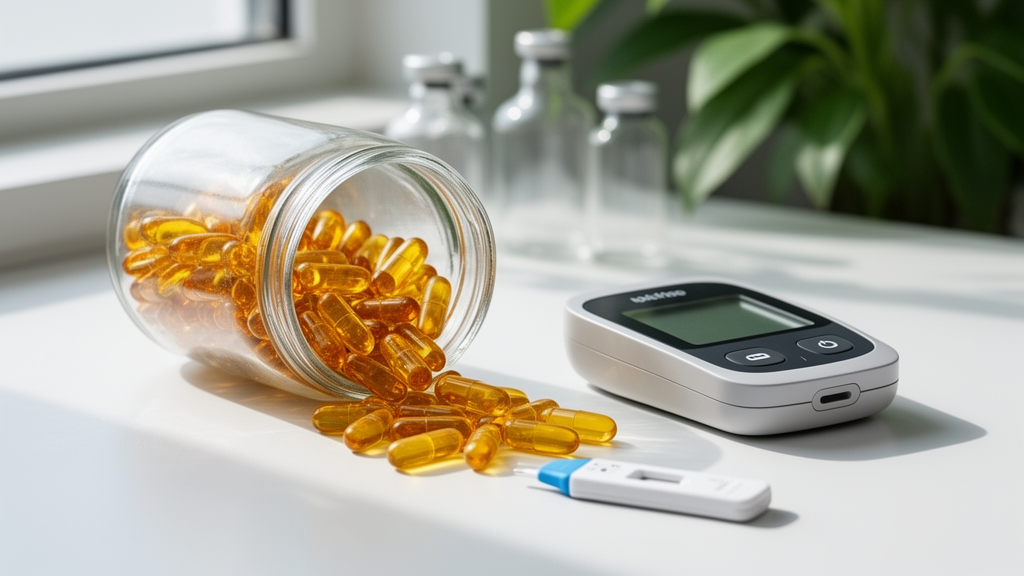
The review also looks beyond basic biology to the practical question of how berberine reaches patients. It discusses the current status of berberine-containing pharmaceutical and nutraceutical formulations, and highlights key pharmaceutical and translational challenges.
The bottom line of the review is a call for rigor rather than enthusiasm. The authors state that formulation standardization, together with well-designed clinical trials, is required to define berberine’s efficacy, safety, and optimal dosing before routine clinical use can be considered. Until those trials are done, berberine remains a promising but unproven candidate in the landscape of type 2 diabetes research, with its therapeutic value an open question rather than a settled answer.
Subject of Research: A narrative review of berberine's potential effects on type 2 diabetes mellitus and insulin resistance
Article Title: Berberine and type 2 diabetes mellitus: a natural alkaloid with therapeutic benefits?
Article References: Feizpour, M., Khayatbashi, H., Mohammadi, G., Goodarzi, M. T., Adlravan, E., Ajamhassani, P., Qujeq, D., & Vaghari-Tabari, M. (2026). Berberine and type 2 diabetes mellitus: a natural alkaloid with therapeutic benefits?. Biological Research. https://doi.org/10.1186/s40659-026-00721-x
Image Credits: AI Generated
DOI: 10.1186/s40659-026-00721-x
Keywords: berberine, type 2 diabetes, insulin resistance, natural alkaloid, oxidative stress, inflammation, gut microbiota, preclinical evidence, clinical trials, formulation, narrative review, Biological Research
News Source: Daisy Hatcher. (October 29, 2026). Berberine shows promise against type 2 diabetes, but clinical proof is still lacking. Scienmag.