Idiopathic normal pressure hydrocephalus is a syndrome in which the brain’s fluid-filled cavities enlarge while the pressure of the cerebrospinal fluid appears normal, leaving older adults with gait disturbance, urinary symptoms and cognitive decline. Because Alzheimer’s disease pathology is common in this population, clinicians have long debated whether amyloid and tau biomarkers can predict which patients will benefit from a spinal fluid drainage test. A retrospective observational study from Peking Union Medical College Hospital now suggests that these biomarkers describe who the patient is at baseline, but not who will respond to the tap test.
The research, published in Fluids and Barriers of the CNS, drew on 63 patients with possible idiopathic normal pressure hydrocephalus from the hospital’s dementia cohort. The team classified participants into three groups based on available cerebrospinal fluid or positron emission tomography biomarkers: those negative for both amyloid and tau, those positive for amyloid but negative for tau, and those positive for both. They then compared baseline clinical features, imaging features resembling disproportionately enlarged subarachnoid-space hydrocephalus, and 72-hour tap test outcomes, including gait and executive-domain measures, responder rates and response patterns.
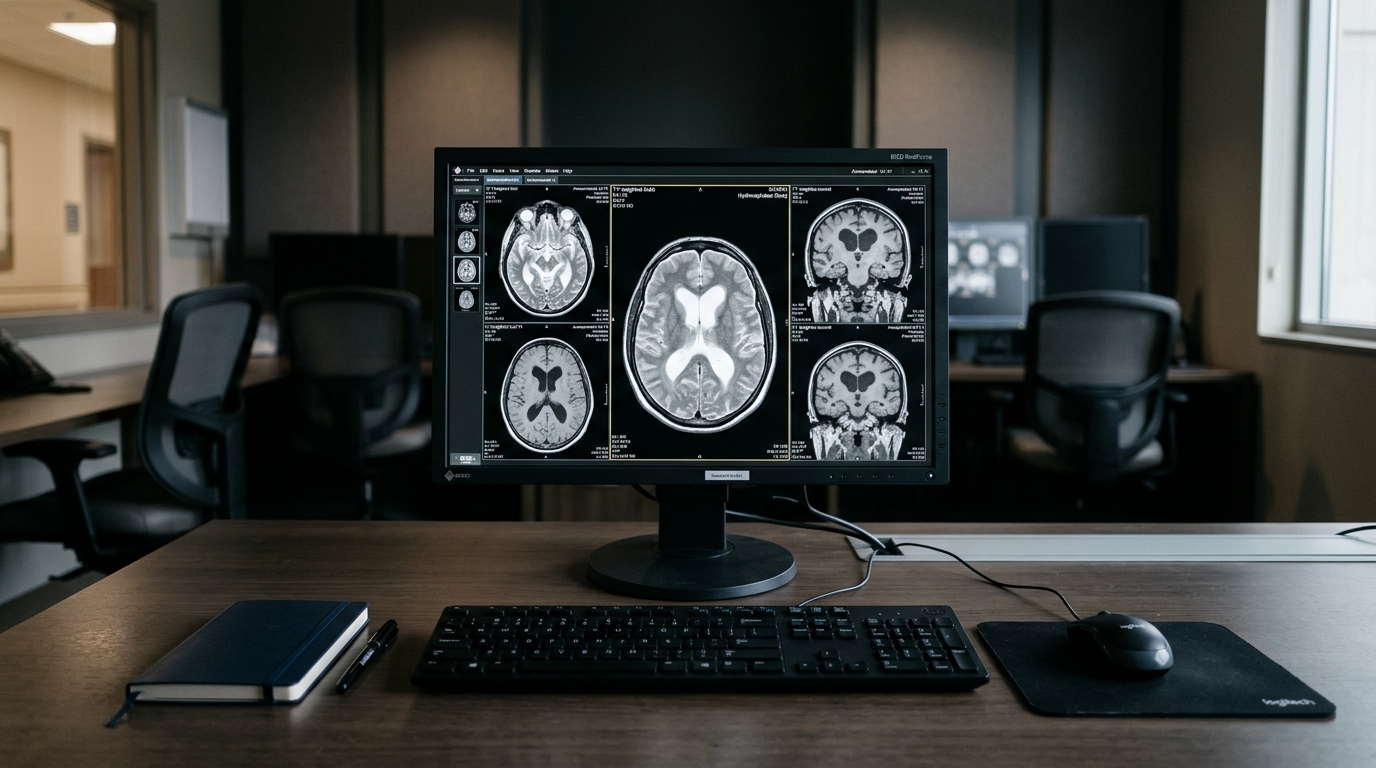
The results showed that amyloid and tau stratification was associated with distinct baseline phenotypes. Compared with the double-negative group, patients positive for both biomarkers showed greater cognitive impairment and a higher burden of psychiatric symptoms. The double-negative group, by contrast, more closely resembled a typical hydrocephalus phenotype. Imaging told a similar story: the double-negative group carried the highest burden of disproportionately enlarged subarachnoid-space hydrocephalus-like features, while the amyloid- and tau-positive group carried the lowest.
When the researchers turned to the 72-hour tap test, the picture changed. Outcomes were not clearly stratified by amyloid and tau status. Gait-related measures showed only directional trends favoring the double-negative group, and in exploratory analyses neither biomarker status nor imaging burden showed robust independent associations with short-term benefit. In other words, the biomarkers mapped onto baseline differences between patients but did not cleanly predict who would walk better after temporary spinal fluid removal.
The authors concluded that amyloid and tau stratification in idiopathic normal pressure hydrocephalus primarily reflects baseline clinical and imaging heterogeneity rather than clearly predicting short-term tap test responsiveness. They noted that Alzheimer’s-related pathology may be associated with a modified hydrocephalus phenotype, but that it should not be used alone to exclude potentially responsive patients.
These findings carry practical weight for a field in which biomarker testing is increasingly routine. If amyloid and tau positivity mainly signals a different baseline profile, rather than a different likelihood of short-term drainage response, then using these markers to rule out tap test candidacy could withhold a reversible diagnostic trial from patients who might still benefit. The study is retrospective, single-center and modest in size, and the tap test analysis was exploratory, so the authors’ caution about not overinterpreting the null association is warranted.
The work also fits into a broader research conversation visible in the same journal, where recent open-access articles have examined plasma Alzheimer’s biomarkers and their association with disproportionately enlarged subarachnoid space hydrocephalus, as well as how cerebrospinal fluid biomarkers relate to clinical symptoms and outcomes after shunt surgery. Together, this literature reflects growing interest in disentangling hydrocephalus-related mechanisms from concurrent neurodegenerative pathology in older adults.
For now, the study’s central message is that amyloid and tau status describes a modified phenotype within idiopathic normal pressure hydrocephalus, one with more cognitive and psychiatric burden and less classic imaging appearance, but it does not by itself determine short-term tap test responsiveness. Clinicians weighing biomarker results alongside tap test decisions should therefore treat the two as complementary rather than interchangeable sources of information.
Subject of Research: How amyloid and tau biomarker status relates to clinical and imaging features and short-term tap test responsiveness in idiopathic normal pressure hydrocephalus.
Article Title: Alzheimer’s disease biomarkers, DESH-like imaging phenotype, and tap test outcomes in idiopathic normal pressure hydrocephalus: a retrospective observational study
Article References: You, Y., Du, X., Huang, X., Qiu, Y., Wang, W., Li, Y., Wang, T., Jiang, Y., Lei, D., Hou, B., Huo, L., Qiu, L., Feng, F., Xu, Q., Mao, C., Dong, L., & Gao, J. (2026). Alzheimer’s disease biomarkers, DESH-like imaging phenotype, and tap test outcomes in idiopathic normal pressure hydrocephalus: a retrospective observational study. Fluids and Barriers of the CNS. https://doi.org/10.1186/s12987-026-00866-7
Image Credits: AI Generated
DOI: 10.1186/s12987-026-00866-7
Keywords: idiopathic normal pressure hydrocephalus, Alzheimer's disease biomarkers, amyloid, tau, tap test, DESH imaging, cerebrospinal fluid, retrospective study, gait, cognitive impairment, Alzheimer, disease
News Source: Diana Fleming. (November 5, 2026). Alzheimer’s biomarkers track hydrocephalus phenotype but not tap test response. Scienmag.