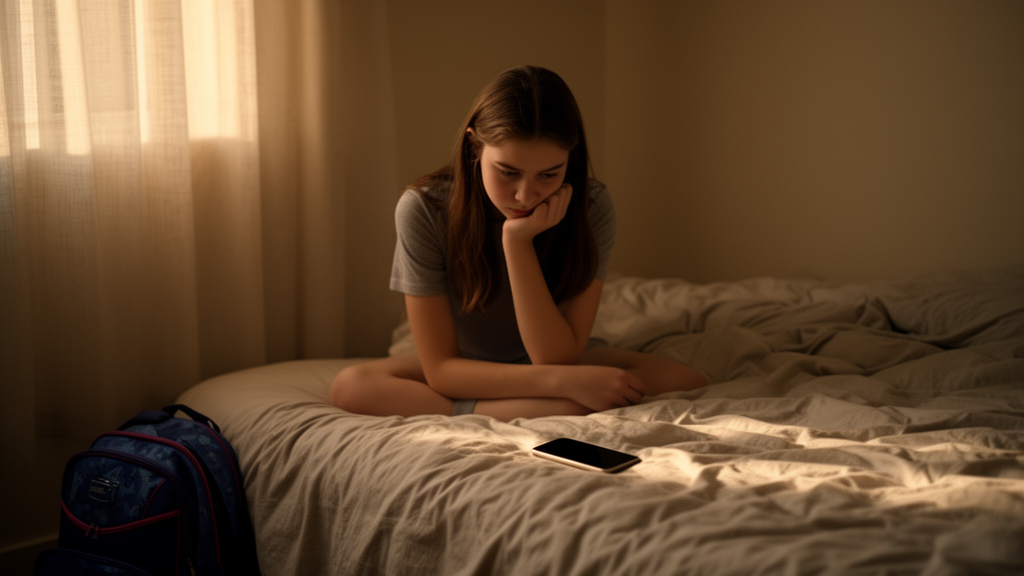
Many adolescents who can accurately identify mental health problems in others still say they would not turn to professional services for help, according to a mixed-methods study published in Child and Adolescent Psychiatry and Mental Health.
The researchers found that adolescents recognized internalizing disorders most accurately, followed by dependence and addictive-pattern related disorders, with externalizing disorders recognized least accurately. Even when problems were recognized, participants often underestimated the need for help.
A central finding was that intentions to seek professional help remained low across all vignettes, despite participants frequently recognizing that a mental health problem was present. Informal sources such as parents and friends were predominantly ranked as first-line options. Gender differences also emerged: male adolescents showed lower recognition of the need for help than females and were less likely to recommend professional sources to others.
The focus groups highlighted limited knowledge about professional help sources among adolescents, a marked preference for self-help among young men, and a wish for more education on mental health.
Based on these combined findings, the authors conclude that the low intentions to seek help from professional sources, limited knowledge of available services, and strong reliance on informal help point to a need for broad mental health literacy interventions. According to the study, such initiatives may benefit from being tailored to different genders and disorder types and from incorporating adolescents’ own suggestions, which included school-based education, anonymous access options, and diverse modalities for contacting professional services. The study is an open access publication and, as the publisher notes, the version shared is subject to further edits before the final version of record. As a school-based study of Swiss adolescents, its findings describe this population and the specific vignettes presented, and the authors frame the results as identifying needs and potential directions for future interventions rather than as evidence of the effectiveness of any particular program.
Subject of Research: Adolescents' attitudes, barriers and intentions toward seeking professional help for mental health problems
Article Title: Adolescents’ help-seeking intentions for mental health problems: a mixed-methods study of attitudes and barriers
Article References: Martucci, C., Zulkifli-Scott, T. P., Kaufmann, O., Rhodius, L.-S., Brunner, D., Bürgin, D., Vriends, N., & Stadler, C. (2026). Adolescents’ help-seeking intentions for mental health problems: a mixed-methods study of attitudes and barriers. Child and Adolescent Psychiatry and Mental Health. https://doi.org/10.1186/s13034-026-01179-1
Image Credits: AI Generated
DOI: 10.1186/s13034-026-01179-1
Keywords: adolescents, mental health, help-seeking, mixed-methods, vignette study, Switzerland, barriers, gender differences, mental health literacy, informal support, focus groups, professional help
News Source: Glenn Wilkins. (October 30, 2026). Adolescents recognize mental health problems but rarely plan to seek professional help. Scienmag.